
Glycolic acid is the most researched, most clinically validated chemical exfoliant available without a prescription. It has been studied longer, more thoroughly, and with more consistent results than any other AHA—and the science behind what it does to your skin is genuinely remarkable. What Does Glycolic Acid Do
Yet most people who use glycolic acid either do not understand exactly what it is doing, are using it incorrectly, or are not using it at the right concentration for their skin concerns. The result: inconsistent results, unnecessary irritation, or products that do not deliver what they promise. What Does Glycolic Acid Do
This complete guide explains exactly what glycolic acid does—at the molecular level, at the visible result level, and at the practical routine level—for every skin type and every skin concern. What Does Glycolic Acid Do
What Is Glycolic Acid?
Glycolic acid is an alpha-hydroxy acid (AHA) derived from sugarcane. It is the smallest AHA molecule available in skincare—and this small molecular size is what makes it uniquely powerful and uniquely effective compared to other AHAs.
The small molecular size means glycolic acid penetrates the skin more deeply than any other AHA. Lactic acid, mandelic acid, and malic acid all have larger molecules that remain closer to the skin surface. Glycolic acid reaches deeper into the epidermis—accessing the cellular layers where the most significant skin changes occur. What Does Glycolic Acid Do
This deeper penetration delivers more dramatic results—and requires a more careful introduction than gentler AHAs.
What Does Glycolic Acid Do? — The Complete Mechanism
1. Dissolves Dead Skin Cell Bonds — The Primary Action
The outer layer of your skin (stratum corneum) consists of dead skin cells—corneocytes—held together by protein bridges called desmosomes. In young, healthy skin these cells shed naturally every 28 days through a process called desquamation.
As we age—or when skin is oily, sun-damaged, or congested—this natural shedding slows. Dead cells accumulate on the skin surface rather than releasing. The result: dull appearance, rough texture, clogged pores, and fine lines that appear more pronounced through the uneven surface. What Does Glycolic Acid Do
Glycolic acid dissolves the desmosome bonds that hold these dead cells together—allowing them to release naturally without physical scrubbing. The result is accelerated, more even skin cell renewal that reveals the fresher, brighter cells beneath. Combination Skin Routine
2. Stimulates Collagen Production—The Anti-Aging Mechanism
This is where glycolic acid separates itself from every other AHA—and from most OTC skincare ingredients entirely.
At concentrations above 10% and with consistent long-term use, glycolic acid has been shown in peer-reviewed research to stimulate collagen synthesis in the dermis. The mechanism involves two pathways: What Does Glycolic Acid Do
Direct stimulation: Glycolic acid activates fibroblasts—the cells responsible for producing collagen and elastin—increasing their output of new structural proteins.
Indirect stimulation: The controlled micro-disruption of the skin surface that glycolic acid creates triggers the skin’s wound-healing response—which includes increased collagen production as part of the repair process.
Clinical studies show increased collagen density, improved skin thickness, and measurable reduction in fine line depth with consistent 10% to 20% glycolic acid use over 12 to 24 weeks. What Does Glycolic Acid Do
No other OTC exfoliant has this documented collagen-stimulating mechanism as strongly supported by research as glycolic acid does.
3. Inhibits Melanin Production—The Brightening Mechanism
Glycolic acid has documented tyrosinase-inhibiting activity at higher concentrations—directly reducing the enzyme responsible for melanin production. This gives glycolic acid genuine brightening and dark spot-fading capability beyond what simple cell turnover acceleration provides. What Does Glycolic Acid Do
Combined with the accelerated cell turnover that brings fresher, less pigmented cells to the surface faster, glycolic acid addresses hyperpigmentation through two mechanisms simultaneously. What Does Glycolic Acid Do
4. Improves Product Absorption—The Multiplier Effect
By removing the accumulated dead cell layer that sits on the skin surface, glycolic acid improves the penetration and absorption of every other product applied to the skin. Serums, moisturizers, and treatment products all absorb more effectively after regular glycolic acid exfoliation because they are not working through a layer of accumulated dead cells.
This is why consistent glycolic acid users often report that their other products feel more effective after introducing it—not because the other products changed but because the delivery surface improved. What Does Glycolic Acid Do
5. Regulates Sebum and Pore Appearance—The Oily Skin Benefit
Glycolic acid dissolves the dead cell buildup that accumulates around pore openings—the buildup that makes pores appear enlarged and that contributes to blackhead formation when mixed with sebum. With consistent use, pore openings stay clearer and pores appear smaller because the material that was stretching them is consistently removed What Does Glycolic Acid Do
Glycolic Acid vs. Other AHAs
Understanding how glycolic acid compares to other AHAs helps explain why it is chosen for specific skin concerns:
When to choose glycolic acid over lactic acid: when you want maximum results—anti-aging collagen stimulation, significant texture improvement, and faster dark spot fading. Glycolic acid delivers faster and more dramatic results than lactic acid at equivalent concentrations.
When to choose lactic acid over glycolic acid: When you have dry, sensitive, or reactive skin that cannot tolerate glycolic acid’s deeper penetration and higher irritation potential. Lactic acid provides effective exfoliation with significantly less discomfort
Glycolic Acid vs. BHA—A Critical Distinction
This is one of the most important comparisons for oily and acne-prone skin: What Does Glycolic Acid Do
For oily, acne-prone skin: BHA (salicylic acid) penetrates inside the pore where blackheads and acne form. Glycolic acid cannot reach inside the pore because the oil-lined pore wall repels water-soluble AHA.
For dark spots and anti-aging on any skin type: Glycolic acid provides more targeted and more clinically supported results.
Best combination: Use BHA 3 nights per week for pore clearing and glycolic acid 1 night per week for brightening and anti-aging texture improvement. Never on the same night. What Does Glycolic Acid Do
Glycolic Acid for Anti-Aging and Wrinkles
This is glycolic acid’s most clinically distinguished benefit—particularly at concentrations of 10% and above used consistently over 12 or more weeks. What Does Glycolic Acid Do
Research published in multiple dermatology journals shows:
increased dermal collagen synthesis visible in biopsy studies
Measurable improvement in skin thickness and elasticity
Reduction in fine line depth of 20 to 40% in some clinical trials at 8 to 15% concentrations
Improvement in the appearance of photodamage and sun spots
For anti-aging purposes, glycolic acid should be part of a consistent nighttime routine rather than used occasionally. The collagen stimulation benefit requires sustained signal to fibroblasts over weeks and months.
Glycolic Acid for Dark Spots and Hyperpigmentation
Glycolic acid fades dark spots through three mechanisms: What Does Glycolic Acid Do
- Accelerated cell turnover—brings fresh, less-pigmented cells to the surface faster, displacing darkened cells more quickly than the natural 28-day cycle
- Tyrosinase inhibition—reduces melanin production at higher concentrations
- Enhanced absorption of brightening actives—makes vitamin C, niacinamide, and kojic acid serums applied after more effective
For maximum dark spot fading, use glycolic acid toner at night alongside vitamin C serum in the morning and niacinamide in the morning and night. This multi-mechanism approach addresses dark spots significantly faster than any single ingredient.
Glycolic Acid for Acne and Acne Scars
Glycolic acid helps acne-prone skin through surface exfoliation—removing dead cells from around pore openings that would otherwise mix with sebum and create comedones. But it cannot reach inside the pore where blackheads form (that is BHA’s role).
For acne scars—post-inflammatory hyperpigmentation (the flat dark marks left after pimples heal)—responds well to glycolic acid’s accelerated cell turnover. The textural acne scars (depressed or raised) require professional treatment—glycolic acid improves their appearance but cannot structurally correct them.
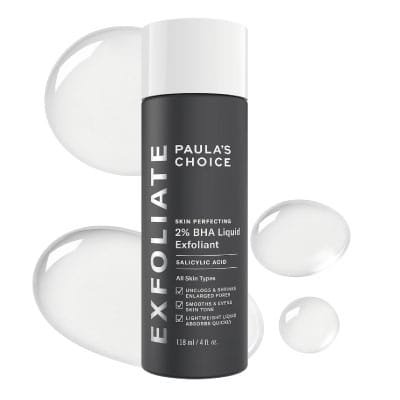
Best approach for acne-prone skin: BHA (Paula’s Choice 2% BHA Liquid) 3 nights per week for pore clearing + glycolic acid 1 night per week for surface brightening and scar fading. Alternate nights—never combine.
Glycolic Acid for Oily Skin
Oily skin benefits from glycolic acid primarily through surface pore clearing—dissolving the dead cell material that accumulates around pore openings and makes them appear larger when filled with sebum.
However, oily skin needs BHA more than AHA for its primary concerns. Add glycolic acid as a weekly brightening treatment after BHA is established in the routine. What Does Glycolic Acid Do
Best oily skin approach: Niacinamide 10% morning and night for sebum regulation, BHA 3 nights per week for pore clearing + glycolic acid 1 night per week for brightening. What Does Glycolic Acid Do
Glycolic Acid for Dry Skin
Dry skin benefits significantly from glycolic acid—removing the rough dead cell accumulation that makes dry skin look dull and feel rough—but requires more careful introduction than oily skin.
Key rules for dry skin glycolic acid use: What Does Glycolic Acid Do
Start with 5% concentration—not 7% or above
Use a maximum of 1 to 2 nights per week
Always apply rich ceramide moisturizer immediately after
Never use on visibly flaky or irritated skin
Lactic acid is often preferable for dry skin because it is also a natural humectant—providing mild hydration alongside exfoliation. If dry skin cannot tolerate glycolic acid, lactic acid is the better AHA choice. What Does Glycolic Acid Do
Glycolic Acid for Sensitive Skin
Sensitive skin can use glycolic acid—but requires the most careful approach. Very reactive, rosacea-prone, or eczema-prone skin may not tolerate glycolic acid at all and should start with mandelic acid instead.
For mildly sensitive skin that wants to try glycolic acid:
Start with 5% maximum
Apply to the patch test area first (inner arm, behind ear).
Use maximum once per week
Never apply to broken, sunburned, or actively irritated skin
Discontinue if persistent redness lasts more than 30 minutes
How to Use Glycolic Acid — The Complete Guide
Concentrations and What They Mean
| Concentration | Effect | Who it is for |
|---|---|---|
| 5% | Gentle surface exfoliation | Beginners, sensitive skin, dry skin |
| 7% | Effective exfoliation and brightening | Most skin types—most products |
| 10 to 15% | Strong exfoliation, collagen stimulation | Experienced users, anti-aging focus |
| 20 to 30% | Significant exfoliation and resurfacing | Professional use or experienced home users |
| 30%+ | Chemical peel level | Professional treatment only |
The Correct Application Protocol: What Does Glycolic Acid Do
Step 1—After cleansing: Apply glycolic acid toner after your regular cleanser at the toner step. Apply with a cotton pad swiping gently across the face, or with clean hands, pressing into skin.
Step 2—Leave on: Never rinse off leave-on glycolic acid products. The acid needs sustained skin contact to work.
Step 3—Wait before next product: Allow 5 to 10 minutes before applying serum or moisturizer. This gives the acid time to work at its optimal pH before subsequent products neutralize it slightly.
Step 4—Follow with moisturizer: Always seal glycolic acid with moisturizer—particularly rich ceramide formulas that rebuild the barrier the acid temporarily disrupts.
Step 5 — Night use only: Glycolic acid increases UV sensitivity significantly. Always use at night. Always apply SPF 50 the following morning.
The Best Glycolic Acid Products in 2026
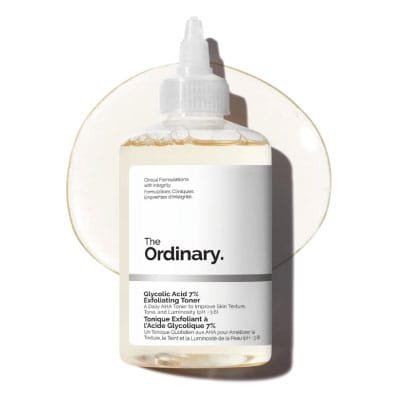
Best Glycolic Acid Toner—The Ordinary Glycolic Acid 7% Toning Solution
The most widely used glycolic acid product at any price point—and for good reason. 7% glycolic acid at optimal pH provides effective surface exfoliation, brightening, and progressive anti-aging benefit at a concentration appropriate for most skin types.
The formula also contains Tasmanian pepperberry extract, which reduces the irritation associated with glycolic acid—making the 7% concentration more tolerable than comparable products at similar concentrations.
At under $15 for a 240 ml bottle—it is the most accessible entry into consistent glycolic acid use.
Best for: Beginners to glycolic acid · daily maintenance exfoliation · brightening · affordable option
🛒 The Ordinary Glycolic Acid 7% Toning Solution—The best affordable glycolic acid toner.
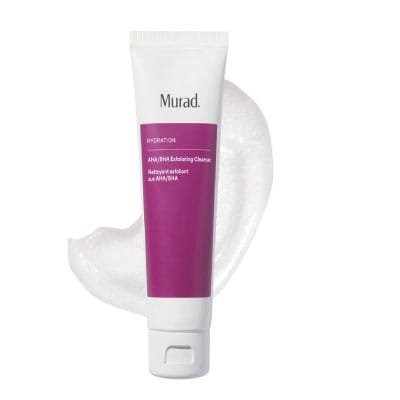
Best Glycolic Acid for Anti-Aging—Murad AHA/BHA Exfoliating Cleanser
For those who want glycolic acid combined with anti-aging actives, Murad’s glycolic acid formulas deliver higher concentrations with supporting ingredients that enhance the collagen-stimulating mechanism. What Does Glycolic Acid Do
🛒 Murad AHA/BHA Exfoliating Cleanser—Best glycolic acid for anti-aging focus.
Best Glycolic Acid Pads — Stridex Maximum Pads / NeoStrata Smooth Surface Glycolic Pads
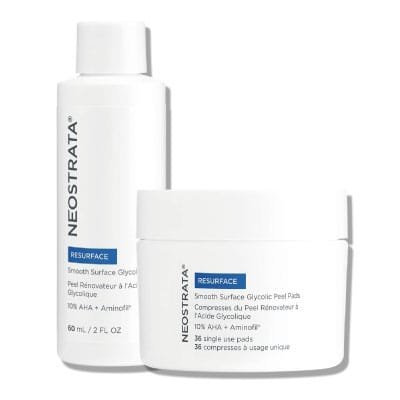
Pre-soaked pads provide the most convenient application format—pre-measured product delivery, consistent coverage, and the slight physical contact of the pad that helps the acid reach the skin surface.
🛒 NeoStrata Smooth Surface Glycolic Pads — Best glycolic acid pads for anti-aging and texture.
Best Glycolic Acid Serum—SkinCeuticals Glycolic 10. Renew Overnight
At 10% concentration in a serum format, SkinCeuticals Glycolic 10 Renew Overnight provides the collagen-stimulating concentration that clinical anti-aging research is based on. More expensive than drugstore options but delivering more significant structural anti-aging results with consistent use.
🛒 SkinCeuticals Glycolic 10 Renew Overnight—Best premium glycolic acid for significant anti-aging.
Best Glycolic Acid for Beginners—Paula’s Choice Skin Revealing Body Lotion 10% AHA
Paula’s Choice’s approach to gradual glycolic acid introduction—starting with body application where skin is thicker and more tolerant—before transitioning to facial use. Also the best glycolic acid option for rough body skin, keratosis pilaris, and textured arms and legs.
🛒 Paula’s Choice Skin Revealing Body Lotion 10% AHA—Best glycolic acid for body and beginners.
Night Routine — Glycolic Acid Nights (2 to 3 per week)
| Step | Product | Purpose |
|---|---|---|
| 1 | Oil cleanser | Remove SPF and makeup. |
| 2 | Gentle gel cleanser | Double cleanse |
| 3 | Glycolic acid toner 7% | Primary exfoliation |
| 4 | Wait 5 to 10 minutes. | Allow acid to work. |
| 5 | Hyaluronic acid serum | Hydration |
| 6 | Niacinamide serum | Brightening support |
| 7 | Rich ceramide moisturizer | Seal and barrier repair |
Night Routine — BHA Nights (3 per week alternating)
| Step | Product | Purpose |
|---|---|---|
| 1 | Double cleanse | Remove SPF. |
| 2 | BHA 2% toner | Pore clearing |
| 3 | HA serum | Hydration |
| 4 | Niacinamide | Oil control |
| 5 | Moisturizer | Seal |
Every Morning—Non-Negotiable
| Step | Product |
|---|---|
| 1 | Gentle cleanser |
| 2 | Vitamin C serum |
| 3 | Niacinamide |
| 4 | Moisturizer |
| 5 | SPF 50—always last |
Glycolic Acid Before and After — What to Expect
Weeks 1 to 2
Most users notice: What Does Glycolic Acid Do
The skin surface feels noticeably smoother after the first application
A slight tingling or mild warmth during application—normal at 7%
Skin looks slightly brighter by morning after the first use
Weeks 3 to 6
Visible texture improvement in photographs
Skin tone appearing more even
Post-acne marks are beginning to fade
Fine dehydration lines appearing softer
Months 2 to 3
Significantly brighter, more even skin tone
Rough patches and congestion noticeably reduced
Dark spots measurably lighter
Pores appear smaller as dead cell buildup around openings clears.
Months 3 to 6 (With 10%+ Concentration)
Collagen stimulation benefits accumulate
Skin appearing more plumped and elastic
Fine lines visibly reduced
The kind of skin improvement that reads as genuinely younger-looking
What NOT to Combine With Glycolic Acid
Never on the same night: What Does Glycolic Acid Do
Retinol or tretinoin—severe irritation and over-exfoliation risk
BHA (salicylic acid)—over-exfoliation and barrier damage
Benzoyl peroxide—potential irritation
High-concentration vitamin C—pH conflict
Always avoid: What Does Glycolic Acid Do
Applying to sunburned, broken, or actively irritated skin
Morning use without immediately following with SPF 50
Using more than the recommended frequency when starting
What does glycolic acid do for skin?
Glycolic acid exfoliates the skin surface by dissolving the protein bonds holding dead skin cells together—accelerating their natural shedding and revealing fresher, brighter skin beneath. At higher concentrations (10%+) it also stimulates collagen production in the dermis, reduces melanin production through tyrosinase inhibition, and improves the absorption of all other skincare products by clearing the dead cell layer that impedes penetration. What Does Glycolic Acid Do
How long does glycolic acid take to work?
Surface smoothing and initial brightening are visible after 1 to 2 applications. Significant skin tone improvement appears at 4 to 6 weeks of consistent use. Dark spot fading becomes measurable at 6 to 8 weeks. Collagen-related anti-aging improvements (reduced fine line depth, improved skin elasticity) require 12 to 24 weeks of consistent use at 10% or above concentration.
Final Thoughts — What Glycolic Acid Does and Why It Matters
Glycolic acid is the closest thing skincare has to a multi-purpose resurfacing tool available without a prescription. The small molecular size that allows it to penetrate more deeply than any other AHA gives it capabilities that no competing OTC ingredient fully matches—significant surface exfoliation, genuine collagen stimulation at sufficient concentration, documented melanin inhibition, and improved absorption of every product applied after it.
The clinical evidence behind glycolic acid is not marketing language—it is decades of peer-reviewed dermatology research consistently showing meaningful, measurable skin improvement across multiple concerns simultaneously. What Does Glycolic Acid Do
But glycolic acid also demands respect. The same penetration depth that makes it effective makes it more irritating than gentler exfoliants. The correct concentration, the correct introduction schedule, and the non-negotiable daily SPF are all essential for getting results rather than irritation. What Does Glycolic Acid Do