
While your morning skincare routine is about protection, your night skincare routine is where the real repair work happens. Skin cell turnover, collagen production, and recovery from the day’s environmental stress all ramp up while you sleep, which is exactly why nighttime is when stronger active ingredients like retinol, exfoliating acids, and rich treatment serums tend to do their best work.
This guide walks through a complete, step-by-step night skincare routine; how to adjust it for your skin type, age, and specific concerns; and answers the most common questions people have about building an effective evening routine.
Why Your Night Skincare Routine Is So Important
Why a night skincare routine is important comes down to biology: your skin’s repair processes are most active overnight, when it isn’t distracted by defending against UV rays, pollution, or makeup. This is also when skin is most receptive to active ingredients, since there’s no risk of increased sun sensitivity interfering with your results the way there can be during the day.
Skipping your night routine, or rushing through it without actually removing the day’s buildup, is one of the most common reasons people struggle with dullness, clogged pores, and slow-to-fade dark spots, no matter how good their morning routine looks.
The Basic Night Skincare Routine Order
A consistent night skincare routine order generally follows this structure, moving from the thinnest to the thickest texture:
- Makeup remover or oil cleanser (if wearing makeup or sunscreen)
- Water-based cleanser
- Exfoliant (a few nights per week, not nightly)
- Toner
- Treatment serum (retinol, niacinamide, etc.)
- Eye cream
- Moisturizer or night cream
- Facial oil (optional, for extra dry skin)
One frequently asked question is whether to use serum or moisturizer first, the answer is almost always serum first, since serums are lighter and more concentrated, meant to absorb directly into skin, while moisturizer’s job is to seal everything in afterward.
Step-by-Step: A Simple Night Skincare Routine
Step 1: Double Cleanse (If Wearing Makeup or Sunscreen)
If you wore makeup or sunscreen or spent the day in a polluted environment, a single cleanse often isn’t enough to fully clear your skin. Start with an oil-based cleanser or micellar water to break down makeup and sunscreen, then follow with a gentle, water-based cleanser to remove any remaining residue and the day’s sweat and oil. If you didn’t wear makeup or heavy sunscreen, a single gentle cleanse is usually sufficient.
Step 2: Exfoliate (A Few Times Per Week)
Chemical exfoliants, AHAs like glycolic acid or BHAs like salicylic acid—help remove dead skin cells and support cell turnover, which is especially effective when applied at night alongside your skin’s natural repair cycle. This step isn’t a nightly requirement; two to three times a week is typically enough for most skin types, since over-exfoliating can damage your skin barrier.
Step 3: Toner
A toner helps rebalance skin’s pH after cleansing and preps skin to better absorb the products that follow. Hydrating toners with ingredients like glycerin or hyaluronic acid are a popular choice for this step.
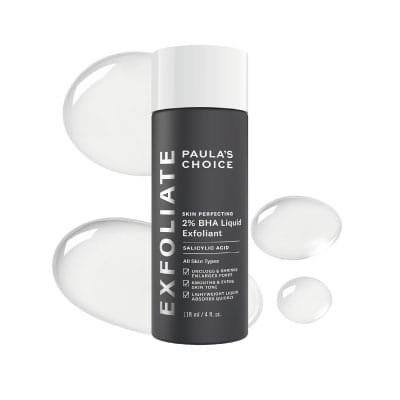
Step 4: Treatment Serum
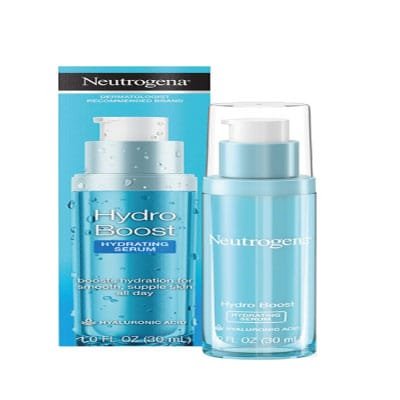
This is where the heavy lifting happens. A night skincare routine with retinol typically applies a pea-sized amount of retinol or retinoid after cleansing and toning, since these ingredients work best on clean, dry skin. If you’re not using retinol, this step might instead include niacinamide, a peptide serum, or a hydrating serum depending on your skin’s needs.
Step 5: Eye Cream
Gently pat a small amount of eye cream around the orbital bone using your ring finger, which applies the lightest natural pressure — helpful for the thin, delicate skin around the eyes.
Step 6: Moisturizer or Night Cream
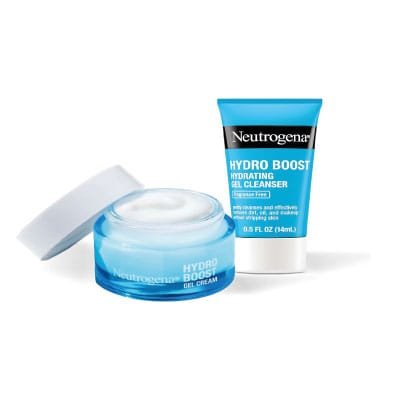
A slightly richer moisturizer than your daytime formula helps seal in all the previous steps and supports overnight barrier repair. Night creams are often formulated with more emollient, occlusive ingredients than day moisturizers, since there’s no need to worry about a heavier texture under makeup.
Step 7: Facial Oil (Optional)
For particularly dry or mature skin, a facial oil applied as the very last step can lock in extra moisture and support the skin barrier through the night.
Night Skincare Routine by Skin Type
Best Night Skincare Routine for Oily Skin
For oily or oily-acne-prone skin, a night skincare routine for oily-acne-prone skin should focus on a thorough but gentle double cleanse to remove excess sebum and makeup, a salicylic acid exfoliant a few times a week, niacinamide to help regulate oil, and a lightweight, oil-free moisturizer.
Best Night Skincare Routine for Dry Skin
A night skincare routine for dry skin benefits from a cream or oil-based cleanser rather than a foaming one, hyaluronic acid and ceramide-rich serums, a richer night cream, and often a facial oil as the final sealing step to prevent overnight moisture loss.
Best Night Skincare Routine for Combination Skin
Combination skin can benefit from applying lighter products across the whole face and layering a slightly richer moisturizer only on drier areas, avoiding the need for two completely separate routines.
Best Night Skincare Routine for Sensitive Skin
Keep actives minimal and fragrance free. A night skincare routine for sensitive skin should introduce new products one at a time and consider “skin cycling,” alternating active nights with simple, recovery-focused nights using just a gentle cleanser and moisturizer.
Best Night Skincare Routine for Acne-Prone Skin
A night skincare routine for acne-prone skin typically incorporates a leave-on salicylic acid or benzoyl peroxide treatment, applied after cleansing, along with a lightweight, non-comedogenic moisturizer. This is generally the best time to use stronger acne actives, since they don’t carry the same sun-sensitivity concerns overnight.
Night Skincare Routine by Age
Night Skincare Routine After 30
A night skin care routine after 30 often starts introducing retinol gradually (starting at a low frequency, like twice a week, and building up) alongside continued hydration-focused serums, since this is typically when many people begin proactively addressing early fine lines and uneven texture.
Night Skincare Routine After 40
A night skin care routine after 40 usually places more emphasis on richer moisturizers, peptides, and consistent retinoid use, since skin’s natural collagen production and cell turnover slow down further with age, making active, repair-focused ingredients more beneficial overnight.
Night Skincare Routine for Teenagers
Teen skin generally needs a much simpler evening routine, a gentle cleanser, a lightweight moisturizer, and a targeted acne treatment if needed, without introducing heavy anti-aging serums that aren’t relevant yet at this age.
Night Skincare Routine for Specific Concerns
Night Skincare Routine for Glowing Skin
A night skincare routine for glowing skin typically combines gentle, regular exfoliation (removing the dull, dead skin cells that block light reflection) with hydrating serums and a nourishing moisturizer, since glow is largely a combination of smooth texture and well-hydrated skin.
Night Skincare Routine for Dark Spots and Dullness
For a night skin care routine for dark spots, a combination of a gentle exfoliating acid and a brightening serum (like niacinamide or a gentle retinol) tends to work best, paired with consistent morning SPF to protect the progress made overnight.
Night Skincare Routine for Anti-Aging
An anti-aging-focused evening routine typically centers on retinoids (the most well-studied topical anti-aging ingredient), paired with peptide serums and a barrier-supporting moisturizer to offset any dryness retinoids can cause.
Night Skincare Routine with Retinol or Tretinoin
If you’re using a night skincare routine with retinol or prescription tretinoin, apply it to fully dry skin (waiting a few minutes after cleansing helps reduce irritation); start with a low frequency, like two to three nights a week; and always follow with a moisturizer to buffer any dryness—a technique sometimes called “sandwiching,” where moisturizer is applied both before and after the retinoid.
Korean and Japanese Night Skincare Routines
A Korean-approach night skincare routine, much like its morning counterpart, tends to layer multiple lightweight products, often including a hydrating toner, essence, and one or two treatment serums, before a lighter-weight sleeping mask or night cream. Brands like Beauty of Joseon have become popular internationally for their approachable, hydration-first evening formulas.
A Japanese night skin care routine frequently incorporates a lightweight, milky lotion and an emphasis on thorough but gentle double cleansing, particularly to fully remove the high-SPF sunscreen commonly worn during the day in Japanese skincare culture.
Using a Sheet Mask or Face Mask at Night
A night skincare routine with face mask or sheet mask can be incorporated once or twice a week, typically applied after cleansing and before your serum step. Sheet masks offer a concentrated boost of hydration or brightening ingredients, while clay or exfoliating masks are better used sparingly, since they can be more drying with frequent use.
Key Night Skincare Ingredients Worth Knowing
Understanding what a handful of common nighttime actives actually do can help you build a more effective, targeted routine rather than randomly layering trending products:
Retinol and retinoids increase cell turnover, helping with fine lines, texture, and dark spots over time. They can cause dryness and irritation initially, which is why gradual introduction matters.
Glycolic and lactic acids (AHAs) are surface exfoliants that improve texture and radiance, well-suited for dry to normal skin since they’re generally less drying than some BHAs.
Salicylic acid (BHA) is oil-soluble, making it especially effective for oily and acne-prone skin since it can penetrate into pores to clear built-up debris.
Niacinamide, a gentle, versatile ingredient that supports the skin barrier, helps regulate oil, and calms redness, making it one of the easiest actives to pair with almost anything else in a routine.
Peptides signal skin to support collagen production and are often included in anti-aging-focused night creams and serums.
Ceramides are lipids that reinforce the skin’s barrier, especially useful in a night routine to offset any dryness caused by exfoliants or retinoids used earlier in the routine.
Hyaluronic acid is a humectant that draws moisture into the skin and is best applied to slightly damp skin and sealed in with a moisturizer to prevent it from pulling moisture out of skin in dry environments instead.
Home Remedies and Natural Night Skincare Options
For those interested in a night skincare routine home remedies approach, a few natural ingredients are commonly used alongside—or instead of—commercial products:
Aloe vera gel—soothing and lightly hydrating, often used as a gentle, simple moisturizing step, particularly for sensitive or irritated skin
Raw honey has mild antibacterial properties and can be used as a brief, rinse-off mask for a gentle glow boost
Rosehip or jojoba oil—natural facial oils that can be used as the final step in a routine to seal in hydration, particularly for drier skin types
While natural ingredients can be a helpful addition, it’s worth noting that they generally work more subtly and gradually than clinically tested actives like retinol or salicylic acid, and results—where they occur—tend to be milder and less consistent across different skin types. They’re best viewed as a gentle complement to a routine rather than a replacement for evidence-backed ingredients when treating specific, persistent concerns like acne or advanced signs of aging.
Night Skincare Routine for Men
A night skincare routine for men typically follows the same core principles as any other routine—cleanse, treat, and moisturize—though men’s skin does tend to run slightly oilier and thicker on average, sometimes tolerating slightly stronger actives a bit better. The most common gap in men’s routines isn’t a lack of the right products but simply inconsistency; building the habit of a simple three-step routine (cleanser, treatment serum if needed, and moisturizer) tends to matter more than product selection itself.
Sleeping in makeup—even occasionally—is one of the biggest contributors to clogged pores and dull-looking skin, since makeup left overnight mixes with oil and can block your skin’s natural repair processes.
Over-exfoliating—using a physical scrub or chemical exfoliant every night—can damage the skin barrier over time; two to three times a week is typically enough.
Applying retinol on wet skin can increase irritation since damp skin absorbs actives more readily and more unevenly. Always wait until the skin is fully dry.
Skipping moisturizer after active ingredients—actives like retinol and exfoliating acids—can be drying, so skipping moisturizer afterward often leads to unnecessary irritation.
Layering too many actives in one night—combining retinol, a strong acid exfoliant, and a vitamin C serum all at once—increases the risk of irritation; stick to one or two targeted actives per evening.
Going to bed with wet hair on your pillow — this can transfer product residue and oils onto your face overnight, particularly along the hairline and jaw.
Building a Simple, Realistic Night Routine
Not every night needs to be a full seven-step routine. A simple night skin care routine can look like this on busier days:
- Cleanse (double cleanse only if wearing makeup or sunscreen)
- Apply a treatment serum if it’s an “active” night (retinol, exfoliant, etc.)
- Moisturize
On recovery nights, skip the active serum step entirely and focus purely on cleansing and moisturizing — a rhythm sometimes referred to as “skin cycling,” which many people find reduces irritation while still allowing actives to do their job on the nights they’re used.
Is a nighttime skincare routine necessary if I already have a solid morning routine? Yes—your morning and night routines serve different purposes. Morning is primarily about protection (especially sunscreen), while night is when your skin does most of its repair and regeneration, making it the ideal time for treatment-focused ingredients like retinol.
What order should I apply my nighttime skincare products? Generally: makeup remover/oil cleanser (if needed) → water-based cleanser → exfoliant (a few nights a week) → toner → treatment serum → eye cream → moisturizer → facial oil (optional).
Should I apply serum or moisturizer first at night? Serum first, moisturizer second. Serums are lighter and meant to absorb directly into skin, while moisturizer seals everything in afterward.
Can I use retinol every night? Most people should start with two to three nights a week and gradually increase frequency as their skin builds tolerance, since starting too fast often leads to irritation, redness, and peeling.
What’s the best night skincare routine for acne-prone skin? A gentle double cleanse, a leave-on salicylic acid or benzoyl peroxide treatment, and a lightweight, non-comedogenic moisturizer tend to work well, since nighttime is generally the best time to use stronger acne actives without sun-sensitivity concerns.
Do I need an eye cream as part of my night routine? It’s optional, not essential—many people get sufficient hydration and support from their regular moisturizer alone. An eye cream can help if you’re specifically targeting concerns like puffiness or fine lines around the eyes.
How long should a nighttime skincare routine take? A full routine with exfoliation, treatment serums, and layering typically takes 10–15 minutes, though a simplified version with just cleanser, a treatment serum, and moisturizer can take under 5 minutes.
What’s the difference between a morning and night skincare routine? Morning routines emphasize protection, especially sunscreen and antioxidants, while night routines emphasize repair and treatment, often incorporating stronger actives like retinol and exfoliants that aren’t ideal for daytime use.
Can I use vitamin C at night instead of the morning? Yes, Vitamin C can be used at night if that fits your routine better, though many people prefer using it in the morning specifically for its antioxidant, environmental-defense benefits during the day.
What’s a good night skincare routine for beginners? Start simple: a gentle cleanser, a basic moisturizer, and introduce one active ingredient (like a low-strength retinol or a gentle exfoliant) only after your skin has adjusted to the basics for a few weeks.
Should I exfoliate every night? No — most skin types do best with exfoliation two to three times a week rather than nightly, since daily exfoliation can compromise the skin barrier over time.
Is it bad to skip my night routine occasionally? Occasionally skipping isn’t harmful, but consistency matters most for seeing real results, especially with slower-acting ingredients like retinol, which typically take several weeks to months to show visible improvement.
Final Thoughts
A strong night skincare routine is where most of your skin’s real transformation happens—repairing, renewing, and responding to active treatments while you sleep. Whether you’re managing acne, working on fine lines, fading dark spots, or simply trying to wake up with more comfortable, hydrated skin, the fundamentals stay consistent: cleanse thoroughly, treat intentionally, and always finish with a moisturizer suited to your skin’s needs.
Just as importantly, don’t feel pressured into an elaborate, multi-step routine every single night. A simple, consistent routine you’ll actually stick with will always outperform an ambitious ten-step routine you abandon after a week. Start with the basics, introduce active ingredients gradually, and give your skin time—real results from a night routine typically build over several weeks to months, not overnight.
If you’re only going to prioritize a handful of steps, focus on thorough cleansing (especially removing makeup and sunscreen), one well-chosen treatment serum suited to your main concern, and a moisturizer that keeps your barrier comfortable and supported. Everything else — toners, essences, sheet masks, facial oils — can be added gradually as extras once your foundational routine is solid and your skin has had time to adjust.