
oily skin routine If your skin looks shiny by 10am, your makeup slides off by noon, and your pores seem to get bigger every year you have oily skin. And you are absolutely not alone. Oily skin is one of the most common skin concerns worldwide, affecting people of all ages, genders, and backgrounds. The good news? It is completely manageable. With the right oily skin routine, the right ingredients, and a little consistency, you can go from greasy to glowing in just a few weeks.
This guide gives you everything: a complete step-by-step oily skin routine for morning and night, the best ingredients to look for, the products that actually work, and the mistakes you need to stop making right now. By the end, you will know exactly what to put on your face, in what order, and why so you can build a routine that lasts.
What Causes Oily Skin? Understanding the Root Problem
Before we get into the routine itself, it helps to understand why your skin produces so much oil in the first place. Your skin has tiny glands called sebaceous glands that sit just beneath the surface. These glands produce sebum a natural oil that protects and moisturizes your skin. This is actually a good thing. Sebum keeps your skin soft, creates a barrier against bacteria and pollution, and slows down moisture loss. oily skin routine
The problem with oily skin is that the sebaceous glands are overactive. They produce more sebum than the skin actually needs, and that excess oil sits on the surface, giving you that shiny, greasy look. It also mixes with dead skin cells and gets trapped inside pores which is exactly how blackheads and breakouts form.
Several factors trigger excess sebum production:
Genetics : If one or both of your parents had oily skin, there is a strong chance you inherited it. Genetics determine how large your sebaceous glands are and how active they are by default.
Hormones : This is one of the biggest triggers. Androgens (hormones like testosterone) directly stimulate sebum production. This is why oily skin often gets worse during puberty, menstruation, pregnancy, and periods of high stress.
Climate and humidity: Hot, humid weather causes your skin to produce more oil. If you live somewhere warm or spend time outdoors in summer, you will notice significantly more shine.
Over-cleansing: This is a very common mistake. When you wash your face too often or use harsh, stripping cleansers, you remove too much natural oil. Your skin responds by producing even more oil to compensate. This creates a cycle that is very hard to break without changing your routine.
Skipping moisturizer: Many people with oily skin skip moisturizer because they think it will make things worse. In reality, when your skin is dehydrated, it overproduces oil to protect itself. Using the right lightweight moisturizer actually helps reduce oiliness over time.
Wrong products: Heavy creams, coconut oil, pore-clogging ingredients, and alcohol-based toners can all trigger more oil production or clog pores. Choosing the right formulations matters enormously.
Understanding these causes is important because a good oily skin routine does not try to eliminate oil entirely—it tries to bring your skin into balance. The goal is controlled, healthy sebum levels, not a completely oil-free face. oily skin routine
The Complete Oily Skin Routine: Morning and Night (Step by Step)
Here is the full oily skin routine broken into two parts a 5 step morning routine focused on protection and a 4 step night routine focused on repair and deep cleansing. Follow both consistently for 8 to 12 weeks and you will see a real, measurable difference in how oily your skin is.
Morning Oily Skin Routine
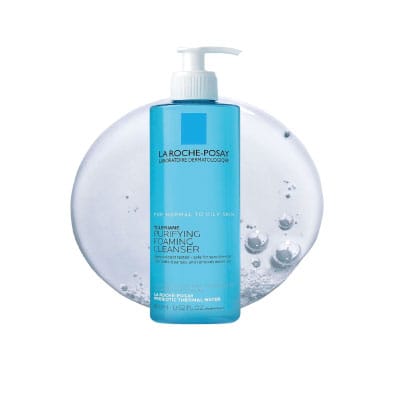
Step 1: Gel or Foaming Cleanser (Best Cleanser for Oily Skin)
Start every morning by washing your face with a gentle, low-pH gel cleanser or foaming cleanser specifically formulated for oily skin. This removes the oil your skin produced overnight, along with any product residue, without stripping your moisture barrier. oily skin routine
The best cleanser for oily skin contains one or more of these active ingredients: salicylic acid (0.5% to 2%), niacinamide, or tea tree extract. These ingredients go beyond just cleaning the surface — they work inside the pore to reduce congestion and control sebum.
Avoid cleansers with sulfates (SLS or SLES) if your skin is also sensitive. Look for the words non-comedogenic” and “oil-free on the label. Cleanse for 60 seconds, then rinse with lukewarm water. Hot water stimulates oil production always finish with a cool rinse. oily skin routine
Step 2: BHA Toner (Alcohol Free, Pore-Refining)
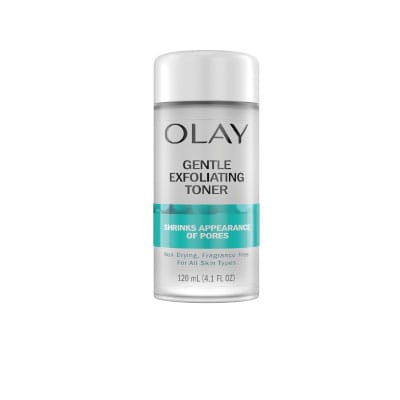
After cleansing, apply an alcohol-free toner. For oily skin, a BHA toner containing salicylic acid (0.5% to 2%) is ideal. BHA stands for beta hydroxy acid it is oil-soluble, which means it can penetrate deep inside the pore to dissolve the excess sebum and dead skin cells that cause blackheads and enlarged pores.
Apply the toner with a cotton pad or pat it gently onto the skin with your hands. Let it absorb fully before moving to the next step. A good BHA toner used consistently will visibly reduce pore size and shine over 4 to 6 weeks.
Avoid toners that contain denatured alcohol as a main ingredient. Alcohol-based toners feel like they are controlling oil in the short term, but they damage your skin barrier and cause rebound oiliness.
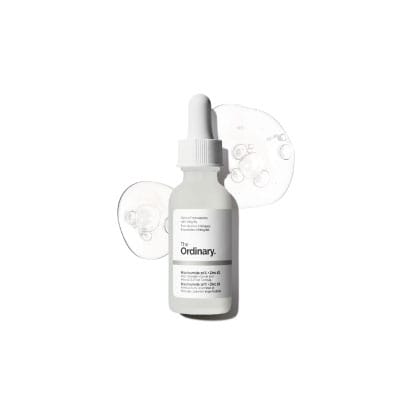
Step 3: Niacinamide Serum (The Best Serum for Oily Skin)
Niacinamide also known as vitamin B3 is one of the most powerful ingredients you can use for oily skin. At a concentration of 10%, niacinamide has been clinically proven to reduce sebum production, minimize the appearance of enlarged pores, even out skin tone, and reduce redness. It also strengthens the skin barrier, which helps your skin regulate oil more effectively long-term.
Apply 3 to 4 drops of niacinamide serum to your entire face after toning. Pat it gently into the skin rather than rubbing. Give it 60 seconds to absorb before applying moisturizer.
Niacinamide is well tolerated by almost all skin types, including sensitive and acne-prone skin. It pairs well with most other actives and is safe to use morning and night.
Step 4: Oil Free Lightweight Moisturizer
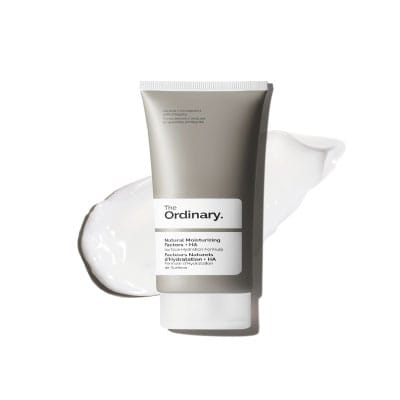
his step is non-negotiable even for very oily skin. As explained above, dehydrated skin produces more oil. An oil-free, gel-based moisturizer keeps your skin hydrated without adding any greasiness.
Look for a moisturizer labeled “oil-free,” “non-comedogenic,” and “lightweight” or “gel formula.” Key ingredients to look for include hyaluronic acid (for deep hydration without oil), aloe vera, glycerin, and niacinamide. Avoid moisturizers that contain heavy emollients like shea butter, coconut oil, or mineral oil these will clog your pores. oily skin routine
Apply a small, pea-sized amount to your entire face and neck. A little goes a long way with gel moisturizers.
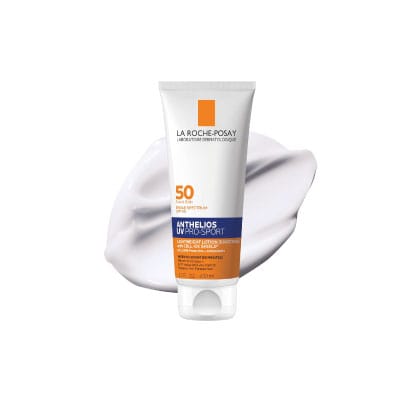
Step 5: Mattifying SPF 50 Sunscreen (Non-Negotiable)
Sunscreen is the single most important step in any skincare routine including an oily skin routine. UV damage is the number one cause of premature aging, dark spots, and uneven skin tone. There is no active ingredient in the world that can undo years of sun damage, so protecting your skin every single day is essential.
For oily skin, choose a mattifying, non-comedogenic SPF 50 formula. Look for the words “matte finish,” “oil control,” or “for oily and combination skin” on the packaging. Mineral sunscreens (zinc oxide or titanium dioxide) tend to be less pore-clogging than chemical ones and often provide a natural mattifying effect.
Apply sunscreen as the final step of your morning routine, after moisturizer. Use at least a quarter teaspoon for your face and neck. Reapply every two hours if you are spending time outdoors.
Night Oily Skin Routine
Step 1: Oil Cleanser (Double Cleanse First Step)
Even with oily skin, the first step of your night routine should be an oil cleanser or micellar cleansing balm. This might sound counterintuitive, but oil cleansers are the most effective way to remove sunscreen, makeup, and the day’s sebum buildup. Water-based cleansers alone cannot fully dissolve SPF and leftover sunscreen is a leading cause of clogged pores.
Choose a lightweight, non-comedogenic cleansing oil or cleansing balm. Massage it gently onto dry skin for 60 seconds, then emulsify with a little water and rinse off. It should leave your skin clean, not greasy. for more information click here
Step 2: Salicylic Acid Face Wash (Second Cleanse)
Follow the oil cleanser with your salicylic acid gel cleanser — the same one you used in the morning, or a slightly stronger evening version with 2% salicylic acid. This is the second step of the double cleanse. It removes any residue left by the oil cleanser and delivers the BHA deep into your pores.
Massage for 60 seconds and rinse thoroughly. Your skin should feel clean and fresh, not tight or dry. If it feels tight, switch to a milder formula.
Step 3: Retinol Serum (Long-Term Oil Control) oily skin routine
Retinol is the gold standard anti aging ingredient—but for oily skin, it has an added benefit: it regulates sebum production at the cellular level. Over time, consistent retinol use makes your skin produce less oil, reduces blackheads, refines pores, and accelerates the turnover of dead skin cells that clog pores.
If you are new to retinol, start with a 0.25% formula and use it just two or three nights per week. Gradually increase frequency over 4 to 6 weeks as your skin builds tolerance. Apply a small amount to dry skin after cleansing, wait 20 minutes, then follow with moisturizer.
Do not use retinol on the same night as strong AHA or BHA exfoliants — this increases the risk of irritation. On nights you use retinol, keep the rest of your routine simple: cleanser, retinol, moisturizer. oily skin routine
Step 4: Lightweight Night Cream or Gel Moisturizer for Oily Skin Routine
Finish your night routine with a lightweight gel-cream moisturizer. At night you do not need SPF, but you do need hydration and barrier support. Look for a formula containing ceramides (which repair the skin barrier), peptides (which support collagen production), and hyaluronic acid (which draws moisture into the skin overnight).
Apply a slightly more generous amount than you would in the morning—your skin does most of its repair work between 11pm and 4am, and a good moisturizer supports that process.
The Best Ingredients for Oily Skin: What to Look For on the Label
When shopping for oily skin products, these are the ingredients with the strongest evidence behind them:
Salicylic acid (BHA)—an oil-soluble exfoliant that penetrates pores and dissolves the sebum and dead cells that cause blackheads and breakouts. Ideal concentration: 0.5% to 2%.
Niacinamide (Vitamin B3)—Reduces sebum production, minimizes pores, reduces redness, and strengthens the skin barrier. Ideal concentration: 5% to 10%.
Retinol—Regulates oil production long-term, speeds up cell turnover, reduces pore size and blackheads. Start at 0.25% and work up to 0.5% or 1%.
Hyaluronic acid provides intense hydration without adding any oil. Keeps skin plump and healthy so it does not overproduce sebum.
Glycolic acid (AHA)—Exfoliates the skin surface, improves texture, and helps other ingredients penetrate better. Best used 1 to 2 nights per week.
Zinc oxide — Found in mineral sunscreens and some moisturizers. Naturally mattifying and antibacterial. Excellent for acne-prone oily skin.
Kaolin clay — Found in face masks and some cleansers. Absorbs excess surface oil without disrupting the moisture barrier.
Ceramides — Lipids that form the glue between skin cells. Strengthen the barrier so skin regulates oil and moisture more efficiently.
The Best Products for Your Oily Skin Routine (By Category)
When choosing products for an oily skin routine, keep these categories in mind and look for formulations designed specifically for oily or combination skin:
Cleanser Gel or foaming, pH 4.5 to 5.5, with salicylic acid or niacinamide. Non-stripping. Fragrance-free if possible.
Toner BHA toner, alcohol-free, with 1% to 2% salicylic acid. Pore-refining and balancing.
Serum Niacinamide 10% serum for daytime. Retinol 0.25% to 0.5% serum for nighttime (not every night to start).
Moisturizer Oil-free gel formula. Non-comedogenic. With hyaluronic acid and ceramides. No heavy butters or oils.
Sunscreen Mattifying SPF 50, non-comedogenic, mineral or hybrid formula. No greasy finish.
Weekly extras A kaolin clay face mask once or twice per week to absorb deep-seated oil. A gentle glycolic acid exfoliant once per week for surface texture.
Oily Skin Mistakes You Need to Stop Making for oily skin routine
Even with the best products, these common mistakes will undo all your progress:
Washing your face more than twice a day Over-cleansing strips oil and triggers your glands to produce even more. Twice a day is optimal. If you feel shiny midday, use blotting papers instead of washing. oily skin routine
Using alcohol-based toners They feel effective in the moment but damage your barrier and cause rebound oiliness within hours.
Skipping moisturizer is the number one mistake. Unhydrated skin overproduces sebum. An oil-free moisturizer is essential.
Using too many actives at once layering salicylic acid, retinol, glycolic acid, and vitamin C all in the same routine causes irritation and makes skin worse. Introduce one new active at a time and give it four to six weeks before adding another.
Expecting results in a week skin cells turn over every 28 days. Most actives need 8 to 12 weeks of consistent use to show their full effect. Be patient and stay consistent.
Not wearing SPF UV damage makes oily skin and acne scarring significantly worse. A mattifying SPF 50 is an essential step, not optional
How Long Until You See Results From an Oily Skin Routine?
Most people start noticing less midday shine within the first two to three weeks of following a consistent oily skin routine. Blackhead reduction and pore appearance improvement typically become visible around the four to six week mark, especially if you are using a BHA toner regularly.
Long-term sebum regulation where your skin genuinely produces less oil throughout the day takes 8 to 12 weeks and is most noticeable once retinol and niacinamide have had time to work at a cellular level.
The key word is consistent. Missing days or switching products too frequently resets your progress. Pick your routine, stick with it for three months, and then evaluate.
1. What is the best routine for oily skin?
The best oily skin routine includes cleansing, toning, moisturizing, and applying sunscreen daily to control excess oil and prevent acne.
2. How many times should I wash oily skin?
You should wash oily skin twice a day — once in the morning and once before bed.
3. Is moisturizer good for oily skin?
Yes, oily skin still needs moisturizer. Use a lightweight, oil-free moisturizer to keep skin balanced and hydrated.
4. Which ingredients are best for oily skin?
Salicylic acid, niacinamide, clay, and hyaluronic acid are great ingredients for oily skin care.
5. Can oily skin cause acne?oily skin routine
Yes, excess oil can clog pores and lead to acne, blackheads, and breakouts.
6. Should oily skin use sunscreen?
Yes, sunscreen is essential. Choose a non-comedogenic and oil-free sunscreen for daily protection.
7. How can I reduce oily skin naturally? oily skin routine
Drink plenty of water, eat healthy foods, avoid harsh products, and follow a consistent skincare routine.
Humanize 165 word
Final Thoughts: Your Oily Skin Is Not a Problem; It Just Needs the Right Routine
Oily skin gets a bad reputation, but it actually has real advantages: people with oily skin tend to age more slowly, develop fewer fine lines, and have naturally plumper-looking skin throughout their lives. The challenge is managing the excess sebum and with the right 7-step oily skin routine, the right ingredients, and a little patience, it is entirely manageable.
Start simple: cleanser, niacinamide serum, oil-free moisturizer, and SPF every morning. Add a BHA toner and retinol at night. Give it three months. You will not recognize your skin.