
What Is Skin Barrier You have probably seen the phrase “skin barrier” everywhere—on product labels, in skincare communities, and in dermatologist videos. Brands claim their products repair it. Reddit threads debate which ingredients rebuild it. And a growing number of people are being told that their persistent redness, dryness, sensitivity, or breakouts are caused by a damaged skin barrier.
But what is the skin barrier? What does it actually do? How do you know if yours is damaged? And most importantly—how do you fix it?
This complete guide answers every question—clearly, honestly, and with the specific product recommendations and routine changes that make a genuine difference. What Is Skin Barrier
What Is Skin Barrier?
The skin barrier—technically called the stratum corneum—is the outermost layer of your skin. It is approximately 10 to 20 micrometers thick (thinner than a single sheet of paper), and it is the most important layer of skin you have.
Despite being the thinnest and outermost layer—the skin barrier performs functions that no other layer can:
It keeps moisture in. The barrier prevents transepidermal water loss (TEWL)—the constant evaporation of water from the skin surface. Without a functional barrier, skin loses moisture faster than it can replace it—creating the cycle of dehydration that underlies most visible skin problems.
It keeps harmful things out. Pollution particles, bacteria, allergens, and irritants all try to enter the skin constantly. The barrier is the physical obstacle that stops them. A damaged barrier lets these through—triggering inflammation, sensitivity, and breakouts.
The Structure of the Skin Barrier—Bricks and Mortar
What Is Skin Barrier? The most useful model for understanding the skin barrier is the brick and mortar analogy: What Is Skin Barrier
The bricks: Corneocytes—flattened, protein-filled dead skin cells that form the structural units of the barrier layer.
The mortar: The lipid matrix—a carefully balanced mixture of ceramides (approximately 50%), cholesterol (approximately 25%), and fatty acids (approximately 15%) that fills the spaces between corneocytes.
Both components are essential. Remove the bricks (over-exfoliation), and the barrier loses structural integrity. Disrupt the mortar (harsh cleansers, SLS, and alcohol), and moisture escapes and irritants enter despite the bricks remaining in place. What Is Skin Barrier
What Are Ceramides, and Why Are They So Important?
Ceramides are the primary lipid in the skin barrier mortar—making up approximately 50% of the lipid matrix. They are long-chain fatty acid molecules that act as the barrier’s waterproofing system—sealing the spaces between skin cells and preventing moisture from escaping.
Your skin produces ceramides naturally. But ceramide production declines significantly with age—dropping by approximately 30% between ages 20 and 40—and is further reduced by:
Harsh cleansers and surfactants
Over-exfoliation with AHA, BHA, or physical scrubs
UV damage
Environmental pollution
Stress and poor sleep
Certain medications
Cold and dry weather
When ceramide levels drop, the barrier becomes permeable. Water escapes more easily. Irritants enter more readily. And the inflammatory cascade that causes redness, sensitivity, and breakouts becomes harder to suppress.
Why ceramide-containing skincare works: Applying ceramides topically—as in CeraVe Moisturizing Cream, CeraVe Foaming Cleanser, and other barrier-focused products—directly replaces depleted ceramides in the barrier matrix. This is not a temporary fix that washes away. Ceramides are incorporated into the existing barrier structure—providing genuine repair rather than just surface coverage. What Is Skin Barrier
What Is a Damaged Skin Barrier?
A damaged skin barrier—also called a compromised skin barrier or impaired barrier function—means the stratum corneum is no longer doing its job effectively. The lipid matrix is depleted, the structural integrity is reduced, and the barrier becomes permeable in ways it should not be. What Is Skin Barrier
Signs of a Damaged Skin Barrier
Persistent dryness and dehydration: Skin that feels tight, uncomfortable, or rough despite regular moisturizer use. The moisturizer hydrates the skin surface but evaporates quickly because the barrier cannot seal it in.
Increased sensitivity and reactivity: Products that previously caused no reaction suddenly sting, burn, or cause redness. New products cause reactions more easily. Skin that never used to be sensitive is now reacting to fragrance, alcohol, or active ingredients it previously tolerated.
Redness and inflammation: Persistent low-grade redness across the cheeks, around the nose, or generally across the face that appears without obvious cause.
Flakiness and rough texture: Dead skin cells accumulate on the surface because the natural desquamation process is disrupted when the barrier is damaged.
Increased breakouts: A damaged barrier allows bacteria and irritants to penetrate the skin more easily—triggering the inflammatory response that causes acne. What Is Skin Barrier
Stinging or burning during product application: Even gentle, fragrance-free products cause stinging or burning when the barrier is significantly compromised. This is irritants reaching nerve endings they should not be able to reach through an intact barrier.
Dullness: Well-hydrated skin reflects light evenly. Dehydrated, barrier-compromised skin reflects light inconsistently—producing the dull, flat appearance that cannot be corrected by brightening serums alone. What Is Skin Barrier
The Pinch Test for Barrier Assessment
Gently pinch a small area of skin on your cheek and release. Healthy, well-hydrated skin with an intact barrier springs back immediately. Skin with compromised barrier function takes slightly longer to smooth—because the dehydration caused by barrier damage reduces the skin’s water content and elasticity.
What Causes Skin Barrier Damage?
Understanding the causes of barrier damage is essential for avoiding the habits that created the problem in the first place—and for ensuring the same habits do not re-damage a repaired barrier. What Is Skin Barrier
Over-Exfoliation — The Most Common Cause
The most frequent cause of barrier damage that dermatologists see—particularly in skincare-aware communities. Using AHA and BHA exfoliants too frequently, at too high concentrations, in combination with physical scrubs or retinoids without adequate rest nights creates sustained barrier disruption.
The exfoliation that removes dead skin cells in controlled amounts becomes the exfoliation that removes too much — depleting the lipid matrix and structural corneocytes that make up the barrier itself. What Is Skin Barrier
Signs of over-exfoliation: Your skin felt great initially after adding exfoliants, then gradually became more sensitive, drier, and reactive over weeks or months. You are using BHA and AHA on the same or consecutive nights. You feel tingling or burning from products that should not cause either.
Harsh Cleansers and Surfactants
Sodium lauryl sulfate (SLS)—the surfactant in most traditional foaming cleansers—strips not just excess oil and dirt but also the ceramides and fatty acids in the barrier mortar. Daily use of SLS-based cleansers progressively depletes barrier lipids in a way that normal sebum production cannot replace quickly enough. What Is Skin Barrier
The tight, dry feeling after cleansing that many people accept as normal—or worse, interpret as “clean”—is actually the feeling of barrier disruption. What Is Skin Barrier
Alcohol-Based Products
Denatured alcohol (SD alcohol, ethanol, or isopropyl alcohol)—common in toners, astringents, and some serums—dissolves skin lipids on contact. A single application evaporates quickly but removes a measurable amount of barrier lipids in the process. Daily use progressively compromises the barrier.
UV Damage: What Is Skin Barrier
Ultraviolet radiation directly damages the lipid matrix of the skin barrier—reducing ceramide content and disrupting the organized lamellar structure of the barrier lipids. This is one of the reasons daily SPF is not just an anti-aging recommendation but a barrier-protective one. What Is Skin Barrier
Environmental Factors: What Is Skin Barrier
Cold weather reduces sebum production and epidermal water content—both of which contribute to barrier function. Low humidity environments—including air-conditioned and heated indoor spaces—increase transepidermal water loss significantly. Pollution particles can penetrate a compromised barrier and trigger inflammatory cascades. What Is Skin Barrier
Intrinsic Factors: What Is Skin Barrier
Some people have genetically reduced ceramide synthesis—including many people with eczema, psoriasis, and atopic dermatitis. Age-related ceramide decline affects everyone. Hormonal changes reduce sebum production that contributes to barrier support. Stress increases cortisol, which disrupts barrier repair pathways. What Is Skin Barrier
How to Repair Your Skin Barrier — The Complete Protocol
Barrier repair requires two things simultaneously: stopping the habits that are damaging the barrier and actively providing the ingredients the barrier needs to rebuild. What Is Skin Barrier What Is Skin Barrier
Step 1—The Barrier Repair Pause
The most important first step: stop everything that is disrupting the barrier for 2 to 4 weeks.
Pause all of these: What Is Skin Barrier
AHA exfoliants (glycolic acid, lactic acid)
BHA exfoliants (salicylic acid)
Retinol and retinoids
Physical scrubs
Vitamin C at high concentration (10%+)
Alcohol-containing toners
Anything that causes stinging or burning
Keep only these: What Is Skin Barrier
Gentle, pH-balanced cleanser
Ceramide-rich moisturizer
SPF 50 every morning
This simplified routine allows the barrier to begin rebuilding without continued disruption. Most people notice significant improvement within 1 to 2 weeks of stopping barrier-disrupting products. What Is Skin Barrier
Step 2—The Ceramide-First Cleanser
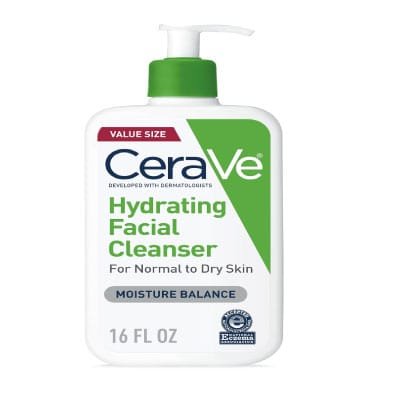
Switch to a ceramide-containing cleanser at pH 5.5 or below. Your cleanser is the first product that touches your skin—and if it strips ceramides, every subsequent barrier-repair product is working against the damage you keep reapplying. What Is Skin Barrier
🛒 CeraVe Hydrating Facial Cleanser—Ceramides 1, 3, 6-II in a non-foaming formula. Best barrier-safe cleanser for damaged skin.
🛒 La Roche-Posay Toleriane Hydrating Gentle Cleanser—Best cleanser for reactive and barrier-compromised skin.
Step 3—Hyaluronic Acid on Damp Skin
Hyaluronic acid serum applied to damp skin draws water to the outer skin layers—providing the water-based hydration that a compromised barrier is leaking. Apply within 60 seconds of cleansing while moisture is still present on the skin surface.
Never apply HA serum to completely dry skin in a dry environment—the humectant will draw moisture from deeper skin layers rather than the surface, worsening dehydration. Always follow immediately with moisturizer to seal. What Is Skin Barrier
🛒 The Ordinary Hyaluronic Acid 2% + B5 — Multi-weight HA with ceramides. Best affordable HA for barrier repair.
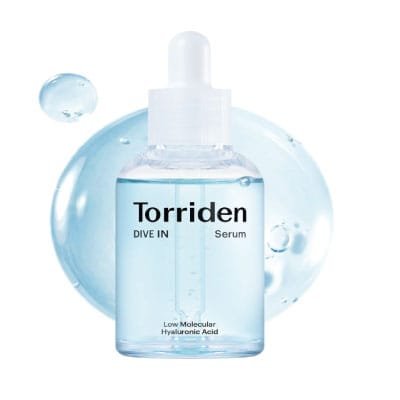
🛒 Torriden Dive-In Low Molecular HA Serum — Best Korean HA serum for deep dehydration from barrier damage.
Step 4 — Ceramide-Rich Moisturizer
This is the most critical step in barrier repair. A ceramide-rich moisturizer directly replaces the lipids depleted from the barrier matrix—providing genuine structural repair rather than temporary surface hydration.
Look for formulas containing ceramides, cholesterol, and fatty acids (particularly the 3:1:1 ratio that most closely matches the skin’s natural barrier composition). What Is Skin Barrier
🛒 CeraVe Moisturizing Cream — Three essential ceramides plus hyaluronic acid. Most dermatologist-recommended barrier repair moisturizer. Apply morning and night during the repair phase.
🛒 La Roche-Posay Cicaplast Baume B5—Best intensive barrier repair balm for severely compromised skin.
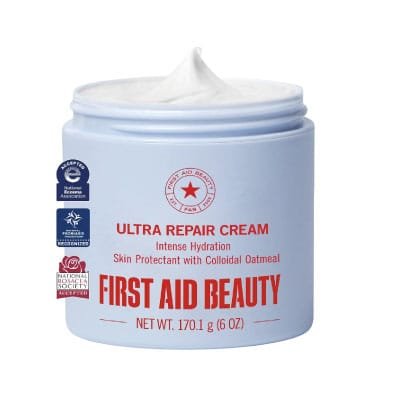
🛒 First Aid Beauty Ultra Repair Cream—Best barrier repair moisturizer for sensitive and eczema-prone skin.
Step 5 — Centella Asiatica or Panthenol Serum (Optional but Powerful)
Centella asiatica (cica) and panthenol (vitamin B5) are two of the most clinically supported barrier-repair actives beyond ceramides.
Centella asiatica: Contains madecassoside and asiaticoside—compounds that stimulate the skin’s own ceramide synthesis, reduce inflammation, and accelerate barrier healing. Clinical research shows significant reduction in TEWL and barrier permeability with consistent centella use.
Panthenol (vitamin B5): Converts to pantothenic acid in the skin—a compound involved in wound healing and barrier function. Studies show panthenol reduces TEWL and supports barrier repair, particularly in eczema-prone skin. What Is Skin Barrier
🛒 COSRX Centella Blemish Cream — Best centella asiatica product for barrier repair and calming.
🛒 The Ordinary Panthenol 10% — Best panthenol product for barrier support and repair.
Step 6—Occlusive Overnight Seal (Optional—For Severe Damage)
For severely damaged barriers, slugging (applying a thin layer of petrolatum as the final night step) dramatically reduces overnight TEWL and accelerates barrier repair. What Is Skin Barrier
Petrolatum creates an occlusive barrier on top of your skincare that prevents moisture from evaporating overnight—allowing all the barrier-repair ingredients applied underneath to work continuously without the dehydration that worsens damage.
Apply CeraVe Moisturizing Cream as normal, then apply the thinnest possible layer of Vaseline over the top as the final step.
Best Products for Skin Barrier Repair — Complete List
Best Barrier Repair Moisturizers
🛒 CeraVe Moisturizing Cream — Best overall. Three ceramides. MVE technology for sustained release.
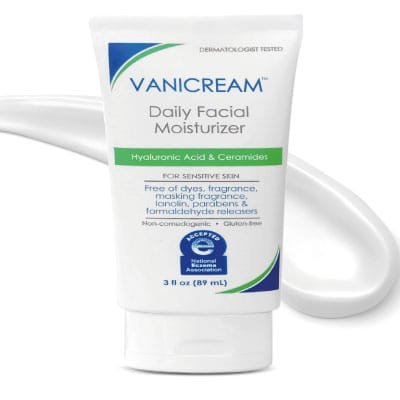
🛒 Vanicream Moisturizing Skin Cream — Best for severely allergic or reactive skin. Zero potential irritants.
🛒 La Roche-Posay Toleriane Double Repair Face Moisturizer — Best for sensitive barrier-compromised skin. Ceramides plus prebiotic thermal water.
🛒 Cetaphil Moisturizing Cream — Best for eczema and atopic barrier conditions.
Best Barrier Repair Serums
🛒 COSRX Advanced Snail 96 Mucin Power Essence—Glycoproteins stimulate barrier repair and ceramide synthesis.
🛒 The Ordinary Natural Moisturizing Factors + PhytoCeramides—Ceramide-rich serum for targeted barrier support.
🛒 Medik8 Liquid Peptides—Peptide complex supports barrier integrity alongside collagen stimulation.
Skin Barrier and Skincare Actives — When to Reintroduce
After 2 to 4 weeks of barrier repair pause, you can begin reintroducing actives gradually. This is critical: rushing back to your old routine before the barrier is fully repaired will restart the damage cycle.
Reintroduction Order
Weeks 5 to 6—Niacinamide first: Niacinamide is the only barrier-supporting active that can be reintroduced during the repair pause itself. It stimulates ceramide synthesis—actively contributing to barrier repair rather than disrupting it. Start morning and night from week 1 of the barrier repair pause.
The Ordinary Niacinamide 10% + Zinc 1%—Best niacinamide for barrier stimulation.
Weeks 6 to 7—Retinol or BHA (choose one) Reintroduce at the lowest frequency—once per week maximum. Apply ceramide moisturizer before and after to buffer. What Is Skin Barrier
Weeks 8 to 10—AHA or second active If retinol or BHA is now tolerated, add AHA at once per week maximum.
Skin Barrier and Oily Skin — The Misunderstood Connection
Oily skin and damaged skin barriers are often found together—and the relationship between them creates a cycle that many people do not recognize.
Oily skin produces excess sebum. Many oily skin people respond by using harsh cleansers, alcohol toners, and aggressive exfoliation to control the oil. These strip the barrier. A damaged barrier triggers an inflammatory response that includes—paradoxically—increased sebum production to compensate for the perceived moisture deficit.
The result: stripping oily skin makes it oilier. The solution to oily skin triggered by barrier damage is barrier repair—not more stripping.
Signs of oily skin caused by or worsened by barrier damage: What Is Skin Barrier
Oiliness that gets worse when you try to control it
Simultaneous tightness and shine (dehydrated oily skin)
Oiliness that has developed or worsened since starting an aggressive skincare routine
Products that previously worked are now causing irritation
Fix: Barrier repair pause (stop harsh actives). Switch to gentle ceramide cleanser. Add oil-free ceramide moisturizer. The oiliness often improves dramatically within 4 to 6 weeks.
Skin Barrier and the Microbiome
The skin barrier and the skin microbiome—the ecosystem of beneficial bacteria that live on the skin surface—are intimately connected.
The slightly acidic pH maintained by a healthy barrier creates the optimal environment for beneficial bacteria (particularly Staphylococcus epidermidis) to thrive while inhibiting harmful bacteria (particularly Staphylococcus aureus and Cutibacterium acnes that cause acne).
When the barrier is damaged and pH rises toward neutral, the balance shifts. Harmful bacteria proliferate. The microbiome becomes dysbiotic—fewer beneficial species, more problematic ones. This imbalance contributes to acne, rosacea flares, eczema flares, and general skin sensitivity.
What is the skin barrier?
The skin barrier (stratum corneum) is the outermost layer of the skin—a structure of flattened dead skin cells (corneocytes) held together by lipid mortar consisting primarily of ceramides, cholesterol, and fatty acids. Its primary functions are preventing moisture loss, blocking the entry of harmful bacteria and irritants, maintaining the skin’s slightly acidic pH, and communicating with underlying skin layers. Despite being microscopically thin, it is the most functionally important layer of skin. What Is Skin Barrier
How do I know if my skin barrier is damaged?
Signs of a damaged skin barrier: persistent dryness or dehydration that does not respond to moisturizer, increased sensitivity or reactivity to previously tolerated products, stinging or burning during product application, persistent redness or inflammation, flakiness and rough texture, and increased breakouts. The pinch test (gently pinch cheek skin—a slow return to normal indicates dehydration from barrier compromise) provides a quick self-assessment.
Final Thoughts — Your Skin Barrier Is Everything
Every other skincare goal—fighting acne, fading dark spots, reducing fine lines, achieving glass skin—is easier and more achievable when your skin barrier is intact.
A damaged barrier makes acne worse because bacteria enter more easily. It makes dark spots harder to fade because the inflammation from barrier damage drives more melanin production. It makes retinol and AHAs feel irritating because sensitized barrier-compromised skin cannot tolerate what healthy skin handles comfortably. And it makes every moisturizer feel inadequate because moisture cannot be retained no matter how much you apply.
The skin barrier is not just another skincare topic. It is the foundation of everything.
The good news: the barrier is repairable. Pause the disrupting habits. Add ceramides. Support with niacinamide. Seal with moisturizer. Protect daily with SPF 50. Give it 4 to 8 weeks.