
There’s a reason “glowing skin” has become one of the most searched beauty terms of the year. Unlike heavy makeup or filtered photos, a genuine glow can’t be faked; it’s the visible sign of skin that’s hydrated, balanced, and functioning the way it should. If you’ve ever wondered why some people seem to have that lit-from-within radiance while your own skin looks dull, tired, or patchy no matter how much concealer you apply, the answer usually isn’t genetics. It’s routine.
Glowing skin is built, not born. It’s the cumulative result of consistent habits: the right cleansing method, proper hydration, targeted actives, sun protection, and a handful of lifestyle choices that most people overlook. In this guide, we’re going to break down exactly what a glowing skin routine looks like, morning and night, and explain the “why” behind every step, so you’re not just following instructions blindly but actually understanding your skin.
Whether you’re starting from scratch or trying to fix a routine that isn’t delivering results, this guide will walk you through everything: the science of skin radiance, the essential steps, the best ingredients, common mistakes, and answers to the questions people ask most.
What Does “Glowing Skin” Actually Mean?
Before diving into products and steps, it helps to understand what’s physically happening when skin “glows.” Radiant skin reflects light evenly across its surface. This happens when:
The skin barrier is intact and well-hydrated, so the surface is smooth rather than flaky or rough
Skin cell turnover is happening efficiently, meaning dead, dull cells are being shed and replaced with fresher ones
Blood circulation beneath the surface is healthy, giving skin a natural, healthy tone
Oil production is balanced, not so little that skin looks dry and cakey, not so much that it looks greasy and uneven
There’s no excess inflammation, redness, or congestion disrupting the surface
When any of these factors is off, dehydration, a damaged barrier, poor circulation, inflammation, or a buildup of dead skin cells, light scatters unevenly across the skin, and the result is a dull, tired, or uneven appearance. This is why “glow” isn’t really about one miracle product. It’s about supporting all of these systems at once.
The Core Principles Behind Every Glowing Skin Routine
Almost every effective glow-focused routine follows four principles, regardless of skin type: Glowing Skin Routine
1. Hydration first. Dehydrated skin cannot glow. Water-plumped skin cells reflect light more evenly, which is why hydration is the foundation of every step that follows. Glowing Skin Routine
2. Gentle exfoliation, not stripping. Removing dead skin cells reveals fresher, brighter skin underneath, but over-exfoliating destroys the barrier and causes the exact dullness and irritation you’re trying to avoid.
3. Barrier protection. A healthy moisture barrier keeps hydration in and irritants out. When the barrier is compromised, skin looks red, flaky, or sensitized rather than radiant. Glowing Skin Routine
4. Consistent sun protection. UV exposure is the single biggest driver of premature dullness, uneven tone, and visible aging. No serum can outperform daily SPF.
Keep these four principles in mind as we go step by step through the full routine.
The Morning Glowing Skin Routine
Your morning routine should focus on protecting the skin and prepping it to look luminous throughout the day.
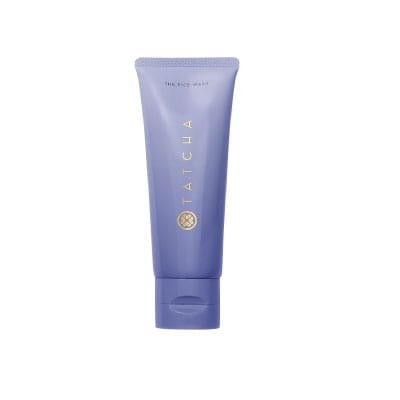
Step 1: Gentle Cleanser: Glowing Skin Routine
You don’t need a harsh, foaming cleanser in the morning; your skin hasn’t accumulated makeup, sunscreen, or pollution overnight, so a gentle, hydrating cleanser (or even just a splash of lukewarm water for dry or sensitive skin types) is usually enough. Over-cleansing in the morning strips the natural oils your skin needs to stay balanced throughout the day.
Look for cleansers labeled “hydrating,” “cream,” or “gel” rather than “deep cleansing” or “clarifying” for your AM routine, unless you have particularly oily skin that benefits from a slightly stronger cleanse. Glowing Skin Routine
Step 2: Antioxidant Serum (Vitamin C)
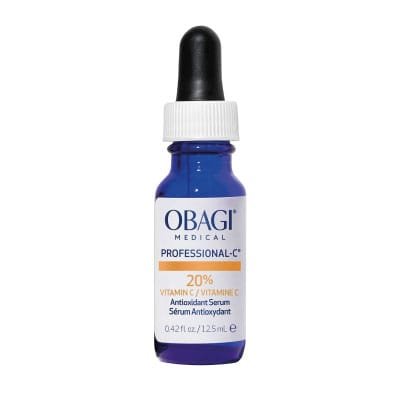
This is arguably the most important step for glow specifically. Vitamin C is a powerful antioxidant that: Glowing Skin Routine
Brightens uneven skin tone and fades hyperpigmentation over time
Boosts collagen production, improving skin’s texture and firmness
Protects against free radical damage from UV rays and pollution, which otherwise accelerates dullness and aging
Apply a few drops to clean, dry skin and allow it to absorb for a minute or two before moving on. Consistency matters more than concentration here—a 10-15% vitamin C serum used daily will outperform a 20% serum used sporadically
.
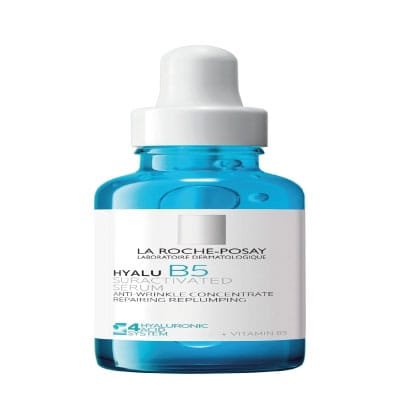
Step 3: Hydrating Serum or Essence
Layer a hydrating serum, often containing hyaluronic acid, glycerin, or panthenol, onto slightly damp skin. Hyaluronic acid can hold up to 1,000 times its weight in water, which plumps the skin surface and creates that smooth, dewy look associated with glowing skin. Applying it to damp skin (rather than fully dry skin) helps it draw in moisture rather than pulling moisture from deeper layers of skin.
Step 4: Moisturizer: Glowing Skin Routine
Seal in all of that hydration with a moisturizer suited to your skin type: Glowing Skin Routine
Dry skin: richer, cream-based moisturizers with ceramides and fatty acids
Oily/combination skin: lightweight, gel-based moisturizers that hydrate without adding excess shine
Sensitive skin: fragrance-free formulas with soothing ingredients like centella asiatica or oat extract
Moisturizer isn’t optional, even for oily skin. Skipping it can actually trigger the skin to overproduce oil to compensate for the lack of surface hydration.
Step 5: Sunscreen (Non-Negotiable) Glowing Skin Routine
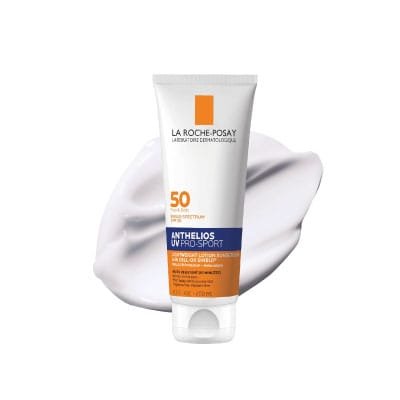
This is the step most people skip and the one most responsible for dull, uneven skin over time. UV exposure breaks down collagen, triggers hyperpigmentation, and is the leading cause of premature skin aging. Apply a broad-spectrum SPF 30 or higher every single morning, rain or shine, indoors or outdoors. Reapply every two hours if you’re outside for extended periods.
Many modern sunscreens now double as a “glow” step themselves, offering a dewy or radiant finish rather than the chalky, matte look older formulas were known for. Glowing Skin Routine
The Evening Glowing Skin Routine
Nighttime is when skin does its heaviest repair work, making your PM routine just as important — arguably more important — than your morning one. Glowing Skin Routine
Step 1: Double Cleanse (If Wearing Makeup or SPF)
Start with an oil-based cleanser or micellar water to break down makeup, sunscreen, and the day’s buildup of sebum and pollution. Follow with a water-based cleanser to clean the skin itself. This two-step method, borrowed from Korean skincare routines, ensures your skin is genuinely clean without over-scrubbing. Glowing Skin Routine
Step 2: Exfoliation (2-3 Times Per Week) Glowing Skin Routine
Exfoliation is where most glow transformations happen, because it directly addresses dead cell buildup on the skin’s surface. There are two main types:
Chemical exfoliants (AHAs/BHAs): Alpha hydroxy acids like glycolic and lactic acid work on the skin’s surface to dissolve the “glue” holding dead cells together, while beta hydroxy acid (salicylic acid) penetrates into pores to clear congestion. These tend to give a more even, visible glow than physical scrubs.
Physical exfoliants: Gentle scrubs or exfoliating cloths physically slough away dead skin. These can be effective but are more prone to causing micro-tears and irritation if used too aggressively.
Start with 2-3 nights per week and adjust based on how your skin responds. Redness, tightness, or increased sensitivity are signs you’re overdoing it. Glowing Skin Routine
Step 3: Treatment/Active Ingredient
This is where you address specific skin concerns:
Niacinamide for reducing redness, minimizing the appearance of pores, and regulating oil production
Retinol/retinoid for boosting cell turnover, smoothing texture, and reducing fine lines (start slow—2-3 nights a week—to avoid irritation)
Peptides for supporting the skin’s natural collagen and firmness
If you’re new to actives, introduce one at a time and give your skin several weeks to adjust before adding another.
Step 4: Hydrating/Repair Serum
Follow with a hydrating serum to replenish moisture, especially if you’ve used an exfoliant or active ingredient that can be slightly drying.
Step 5: Night Cream or Facial Oil: Glowing Skin Routine
Nighttime moisturizers can afford to be richer than daytime ones since you don’t need to worry about makeup application or oiliness under the sun. A nourishing night cream or a few drops of facial oil (like squalane or rosehip oil) locks in hydration and supports overnight repair.
Step 6: Eye Cream (Optional but Recommended)
The skin around the eyes is thinner and shows signs of dullness and fatigue first. A lightweight eye cream with peptides or caffeine can help reduce puffiness and brighten the under-eye area. Glowing Skin Routine
Weekly Extras for Extra Radiance
Beyond your daily AM/PM routine, a few weekly additions can accelerate visible glow:
Face masks: Hydrating sheet masks, clay masks (for oily/congested skin), or brightening masks 1-2 times per week
Facial massage or gua sha improves circulation, which can temporarily and cumulatively improve skin tone and reduce puffiness
Exfoliating lip treatment: Often forgotten, but glowing skin includes glowing lips
Overnight hydrating masks: A slugging-style occlusive layer (like a facial oil or petrolatum-based balm) locks in moisture on particularly dry nights Glowing Skin Routine
Lifestyle Factors That Affect Your Glow
No skincare routine can fully compensate for lifestyle factors that work against your skin. If you’re doing everything right topically but still not seeing results, consider these: Glowing Skin Routine
Hydration from the inside out. Drinking adequate water supports overall skin hydration, though topical hydration matters more directly for surface glow. Glowing Skin Routine
Sleep. During deep sleep, skin repairs itself and increases blood flow, which is part of why we call it “beauty sleep.” Poor sleep is directly linked to dull, sallow-looking skin.
Diet. Diets rich in antioxidants (berries, leafy greens), healthy fats (avocados, fatty fish), and vitamin C can support skin health from within. Excess sugar and highly processed foods have been linked to inflammation that can affect skin appearance.
Stress management. Chronic stress elevates cortisol, which can trigger breakouts, inflammation, and a dull complexion.
Movement. Exercise increases blood circulation, delivering oxygen and nutrients to skin cells, which can contribute to a healthier-looking complexion.
Common Mistakes That Kill Your Glow
Even a well-intentioned routine can backfire if you’re making one of these common errors:
Over-exfoliating. More is not better. Exfoliating too frequently or combining too many active ingredients (like retinol and strong acids in the same routine) damages the skin barrier and causes the exact dullness and sensitivity you’re trying to fix.
Skipping sunscreen. As mentioned, this undoes the benefits of everything else in your routine.
Using products in the wrong order. Apply products from thinnest to thickest consistency: cleanser, toner/essence, serums, spot treatments, moisturizer, then sunscreen (AM) or facial oil (PM).
Switching products too often. Skin needs time — often 4-6 weeks — to show visible results from a new product or ingredient. Constantly switching prevents you from ever seeing what’s actually working.
Ignoring your neck and chest. Glowing skin shouldn’t stop at your jawline. Extend your routine downward for a more even, natural-looking result.
Not patch testing new products. Especially with actives like retinol or acids, a small patch test can save you from a full-face reaction.
Building a Routine for Your Skin Type
Oily/acne-prone skin: Focus on lightweight, non-comedogenic hydrating products, niacinamide, and salicylic acid exfoliation. Don’t skip moisturizer—it prevents rebound oiliness.
Dry skin: Prioritize ceramides, ultra-hydrating serums, and richer moisturizers. Limit exfoliation to once or twice weekly and avoid harsh, foaming cleansers.
Combination skin: Consider multi-masking—a clay mask on the T-zone and a hydrating mask on the cheeks—and use lighter products in oily areas and richer ones on drier patches.
Sensitive skin: Simplify your routine, avoid fragrance, and introduce new products one at a time with several days between additions to monitor reactions.
Mature skin: Incorporate peptides, retinoids, and richer barrier-supporting moisturizers alongside your brightening actives, since mature skin often needs more support to maintain its barrier while still targeting tone and texture.
How Long Until You See Results?
Patience is essential. Skin cell turnover takes roughly 28 days in younger skin and can slow to 45-60 days as we age. This means:
Hydration-focused changes (plumper, dewier skin) can show within days
Exfoliation and brightening improvements typically take 4-6 weeks of consistent use
Deeper changes like reduced hyperpigmentation or fine lines can take 8-12 weeks or longer
Take a “before” photo in consistent lighting when you start a new routine, and check back in monthly rather than daily—day-to-day changes are too subtle to notice, but monthly comparisons often reveal real progress.
Sample Product Checklist: Glowing Skin Routine
If you’re building a glow routine from scratch, here’s a simplified checklist to guide your shopping:
Gentle, hydrating cleanser
Vitamin C serum (AM)
hyaluronic acid or hydrating serum
Moisturizer suited to your skin type
Broad-spectrum SPF 30+
Chemical exfoliant (AHA/BHA) for 2-3x weekly use
Niacinamide or retinol treatment (PM)
Richer night cream or facial oil
Optional: eye cream, face mask, gua sha tool
Frequently Asked Questions
How long does it take to get glowing skin? Most people notice a difference in skin texture and hydration within 1-2 weeks of consistent care, but deeper improvements like reduced pigmentation or fine lines typically take 6-12 weeks of regular use.
What is the number one product for glowing skin? There isn’t a single miracle product, but sunscreen is the closest thing to it—consistent daily SPF use prevents the UV damage that causes dullness, uneven tone, and premature aging more than any other single factor.
Can drinking water alone give me glowing skin? Hydration supports overall skin health, but topical hydration (serums and moisturizers) has a more direct and immediate effect on how “glowy” your skin looks, since it acts on the skin’s surface where light is reflected.
Is it necessary to use vitamin C and retinol together? They can be used together but are generally more effective when separated — vitamin C in the morning and retinol at night — since combining them in the same application can reduce each ingredient’s stability and increase irritation risk.
How often should I exfoliate for a glowing complexion? Most skin types do well with exfoliating 2-3 times per week. Sensitive or dry skin may need less (once weekly), while resilient, oily skin can sometimes tolerate more — but signs of irritation should always dictate frequency, not a fixed schedule.
Does diet really affect skin glow? Yes, to a meaningful degree. Diets high in antioxidants, healthy fats, and adequate protein support the skin’s structure and repair processes, while excess sugar and processed foods have been linked to increased inflammation that can dull the complexion.
Can oily skin still achieve a natural glow? Absolutely. Oily skin often has an advantage when it comes to glow since natural oils can contribute to radiance—the key is balancing oil production with lightweight, non-comedogenic hydration rather than stripping the skin, which can trigger even more oil production.
What ingredients should I avoid if I want glowing skin? Be cautious with high concentrations of alcohol-based toners, harsh sulfate cleansers, and over-exfoliating with multiple acids or scrubs at once, since these can damage the skin barrier and lead to the exact dullness and irritation you’re trying to avoid.
Is a glowing skin routine different for men? The core principles (cleanse, hydrate, protect, treat) are the same regardless of gender. The main differences are usually practical — men’s skin tends to be slightly oilier and thicker, and daily shaving can require extra attention to barrier support and gentle exfoliation.
Do I need expensive products to get glowing skin? No. Consistency and using the right ingredients for your skin type matter far more than price point. Many effective vitamin C serums, hyaluronic acid formulas, and sunscreens are available at accessible price points and perform comparably to premium alternatives. Glowing Skin Routine
Final Thoughts: Glowing Skin Routine
A glowing skin routine isn’t about chasing the newest 12-step trend or spending a fortune on luxury products. It’s about consistently supporting your skin’s natural functions: keeping it hydrated, gently encouraging cell turnover, protecting the barrier, and shielding it from UV damage every single day. The people who seem to have naturally radiant skin are, more often than not, simply the ones who’ve stuck to a simple, consistent routine long enough to see real results.
Start with the fundamentals — gentle cleansing, hydration, sun protection — before layering in more targeted actives like vitamin C, niacinamide, or retinol. Give each new addition several weeks before judging whether it’s working, and don’t be afraid to simplify if your skin starts protesting. Glowing skin is a long game, not a quick fix, but it’s one of the most achievable beauty goals out there once you understand what your skin actually needs.