
Finding the best cleanser for acne can feel overwhelming. Walk into any drugstore or scroll through skincare threads on Reddit, and you’ll find hundreds of products all claiming to be “the one.” But acne isn’t one-size-fits-all; what works for oily, teenage breakouts is often too harsh for hormonal or sensitive acne-prone skin, and what clears up blackheads might do nothing for cystic bumps along the jawline.
This guide breaks down the best cleanser for acne-prone skin by skin type, acne type, budget, and even region, so instead of guessing, you can pick a cleanser that actually matches what your skin needs.
Why Your Cleanser Choice Matters So Much
Your cleanser is the foundation of your entire skincare routine. It’s the product you use twice a day, every day, so even small irritants or the wrong formula can undo the benefits of every serum and moisturizer that follows.
A good face wash for acne-prone skin should do three things:
- Remove excess oil, dirt, and makeup without stripping your skin’s natural barrier
- Help control the bacteria and clogged pores that lead to breakouts
- Leave skin balanced — not tight, not greasy, not inflamed
Get this step wrong, and you risk two common outcomes: over-drying (which triggers your skin to produce more oil, worsening acne) or under-cleansing (which leaves pore-clogging residue behind).
What Makes a Cleanser “Best” for Acne-Prone Skin?
Dermatologists generally point to a handful of proven ingredients when identifying the best face wash for acne-prone skin recommended by dermatologist experts:
Salicylic acid (BHA) oil-soluble, so it penetrates into pores to clear out debris; ideal for blackheads and whiteheads
Benzoyl peroxide is antibacterial and effective against inflammatory and cystic breakouts
Niacinamide,calms redness and helps regulate oil production
Ceramides , support the skin barrier so the cleanser doesn’t leave skin reactive or dry
Tea tree oil or centella asiatica, gentler, more natural anti-inflammatory options often found in Korean formulas
The strength and combination of these ingredients are really what separates the best cleanser for acne skin from a “meh” one. A cleanser marketed for acne but full of harsh sulfates and alcohol can actually make breakouts worse over time.
It also helps to understand why these ingredients work, rather than just memorizing the list:
Salicylic acid is lipophilic, meaning it’s attracted to oil. This lets it travel past the surface layer of skin and into the sebum-filled lining of a pore, where it breaks down the buildup that leads to blackheads and whiteheads. It’s also mildly anti-inflammatory, which is why it’s often recommended for both comedonal and inflamed acne.
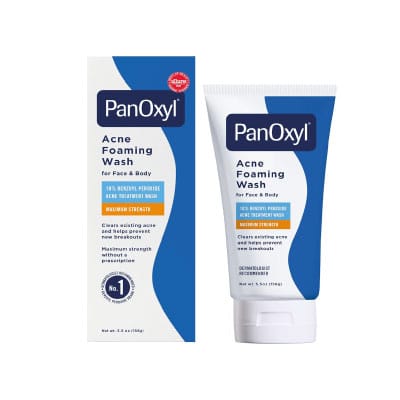
Benzoyl peroxide works differently; it releases oxygen into the pore, creating an environment where acne-causing bacteria (Cutibacterium acnes) can’t easily survive. It’s one of the few over-the-counter ingredients proven to reduce antibiotic-resistant acne bacteria, which is part of why it’s still a first-line recommendation for inflammatory breakouts.
Understanding which of these ingredients targets your specific issue is far more useful than simply picking the product with the longest “acne-fighting” ingredient list on the label. More actives packed into one cleanser doesn’t always mean better results; often it just means more irritation.
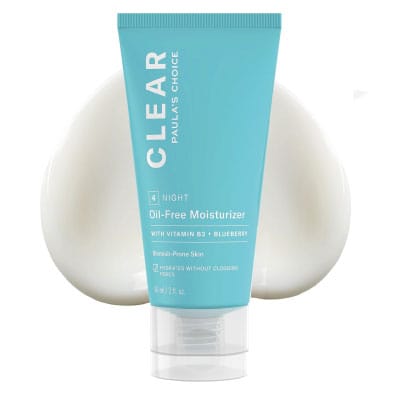
Ceramides replace lipids that cleansing (especially with foaming or sulfate-based washes) can strip away. Without them, skin becomes more prone to transepidermal water loss, redness, and — counterintuitively — more breakouts as the skin tries to compensate.
Centella asiatica and tea tree oil are popular in gentler formulations because they calm inflammation and offer mild antimicrobial benefits without the drying side effects associated with benzoyl peroxide.
Best Cleanser for Oily, Acne-Prone Skin
If your skin gets shiny by midday and breakouts cluster in your T-zone, you want the best cleanser for oily acne-prone skin with a foaming or gel texture. Look for salicylic acid at 1–2% combined with a lightweight, oil-free base. Foaming cleansers with charcoal or clay can also help absorb excess sebum without over-stripping.
Best Cleanser for Dry, Acne-Prone Skin
It’s a myth that dry skin doesn’t get acne; in fact, a compromised, dry barrier is often more prone to breakouts because it overproduces oil to compensate. The best cleanser for acne dry skin types is a cream or milk cleanser with a lower concentration of active ingredients (or none at all in the cleanser, saving actives for a leave-on treatment), plus humectants like glycerin and hyaluronic acid.
Best Cleanser for Acne-Prone, Sensitive Skin
For sensitive, reactive skin, fragrance-free and low-pH formulas matter more than powerful actives. A best face wash for acne-prone, sensitive skin pick should avoid sulfates, alcohol, and heavy fragrance and may rely on gentler actives like azelaic acid or low-percentage salicylic acid instead of benzoyl peroxide.
Best Cleanser for Combination Skin: Best Cleanser for Acne
If you’re oily in the T-zone but dry on the cheeks, the best cleanser for acne-prone combination skin should be balanced; gel-cream textures work well here, offering enough cleansing power for the oily zones without over-drying the rest of your face.
Best Cleanser for Mature, Acne-Prone Skin: Best Cleanser for Acne
Adult acne combined with aging skin needs a careful balance; you don’t want to over-treat with harsh acne actives that accelerate fine lines and dryness, but you also don’t want a rich anti-aging cleanser that clogs pores. A best cleanser for mature acne-prone skin pick usually leans on gentle exfoliating acids like lactic acid (which offers mild anti-aging benefits alongside acne control) rather than the harsher benzoyl peroxide formulas aimed at teenage skin.
Best Cleanser for Body, Back, and Chest Acne
Body acne often needs a stronger approach than facial skin can tolerate, since skin on the back and chest is thicker and less sensitive. A best cleanser for acne on the body or back should generally use a higher concentration of salicylic or glycolic acid, applied as a wash left on for a minute or two before rinsing (sometimes called a “contact cleanser”) to give the active ingredient time to penetrate thicker skin. Best Cleanser for Acne
Best Cleanser for Hormonal Acne
Hormonal breakouts tend to show up along the jawline and chin and are often deeper, cystic bumps tied to your cycle. The best cleanser for hormonal acne typically pairs salicylic acid with niacinamide, since hormonal acne responds well to consistent, gentle exfoliation combined with oil regulation rather than aggressive drying agents.
Best Cleanser for Cystic Acne
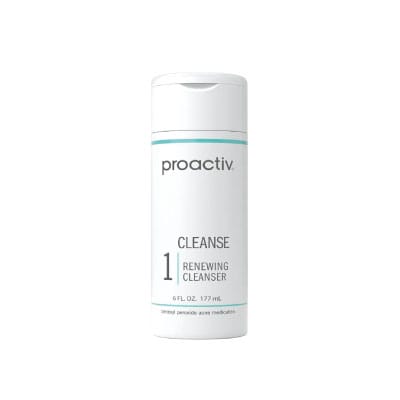
Cystic acne sits deep under the skin, and a cleanser alone won’t resolve it, but the right one can prevent new cysts from forming. Benzoyl peroxide cleansers are frequently recommended here, since their antibacterial action targets the deeper inflammation associated with cystic breakouts. Best Cleanser for Acne
Best Cleanser for Fungal Acne
Fungal acne (technically a yeast overgrowth, not true acne) needs an entirely different approach. A best cleanser for fungal acne should avoid fatty acids and oils that feed the yeast and instead use ingredients like zinc pyrithione or sulfur-based formulas.
Best Cleanser for Acne Scars and Dark Spots
While cleansers can’t erase scarring, some formulas support fading and prevent new dark spots. A best cleanser for acne scars and dark spots often includes niacinamide or vitamin C derivatives, which help brighten discoloration over time when used consistently alongside SPF.
Best Cleanser for Blackheads and Clogged Pores
For blackhead-prone skin, salicylic acid remains the gold standard. It’s oil-soluble, meaning it can actually get into the pore lining to dissolve the buildup causing blackheads, rather than just sitting on the skin’s surface.
Best Cleanser for Rosacea-Prone, Acne-Prone Skin
Rosacea and acne together are tricky, since many acne actives can trigger rosacea flare-ups. A best cleanser for acne-rosacea types should be extremely gentle; think micellar or cream cleansers with azelaic acid, which help both conditions simultaneously.
Best Cleanser for Acne and Enlarged Pores
Pores appear larger when they’re stretched by trapped oil and debris, so a best cleanser for acne and large pores approach focuses on regular, gentle exfoliation with salicylic or glycolic acid to keep pores clear, since consistently unclogged pores tend to look visibly smaller over time even though pore size itself doesn’t physically shrink.
Best Cleanser for Whiteheads and Comedonal Acne
Comedonal acne (whiteheads and blackheads without much redness or swelling) responds best to consistent chemical exfoliation rather than antibacterial ingredients, since the root cause is trapped keratin and oil rather than bacterial overgrowth. Salicylic acid at a moderate strength, used nightly, is typically the most effective long-term approach.
Best Korean Cleanser for Acne-Prone Skin
Korean skincare (K-beauty) has become hugely popular for acne care thanks to its emphasis on gentle, multi-step cleansing. A best cleanser for acne-prone skin Korean routine typically starts with an oil cleanser to dissolve makeup and sunscreen, followed by a low-pH gel or foam cleanser, the “double cleansing” method. This approach is often praised for keeping the skin barrier intact while still deeply cleaning pores. Ingredients like centella asiatica, green tea, and tea tree are common in these formulas and tend to be less irritating than Western equivalents with high percentages of benzoyl peroxide.
Best Drugstore Cleanser for Acne
You don’t need a luxury price tag to see results. A best cleanser for acne, a drugstore option with salicylic acid or benzoyl peroxide, can perform just as well as pricier ones. Z active ingredient concentration matters far more than the brand name.
Best Cleanser for Acne — The Ordinary
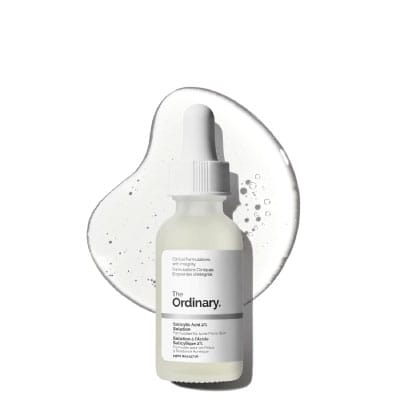
The Ordinary has built a reputation for affordable, ingredient-focused skincare. Their salicylic acid cleanser is a commonly recommended best cleanser for acne, the ordinary option for those wanting a no-frills, effective formula without added fragrance or unnecessary extras.
Best Cleanser for Acne-Prone Skin — Reddit Favorites
Skincare communities like r/SkincareAddiction frequently discuss what genuinely works long-term. A “best cleanser for acne-prone skin reddit search” will usually surface a short list of repeat favorites: gentle, low-pH, fragrance-free formulas that people say they can use consistently without irritation, consistency being the real key to seeing results.
Best Cleanser for Acne and Glowing Skin
Treating acne doesn’t mean your skin has to look dull or stripped in the process. A good cleanser for glowing skin that also targets acne should include gentle exfoliating acids (like lactic or mandelic acid) alongside antioxidants such as vitamin C or green tea extract. These ingredients help even out texture and boost radiance while still managing breakouts, proving that clear skin and glowing skin aren’t mutually exclusive goals.
Best Cleanser for Teenage Acne
Teen skin tends to be more reactive to hormonal shifts and often benefits from a straightforward, non-irritating gel cleanser with a modest concentration of salicylic acid — not the strongest formula on the shelf, since overly aggressive products can cause more irritation without speeding up results.
Best Cleanser for Acne During Pregnancy
Pregnancy limits which acne ingredients are considered safe. Salicylic acid in low, topical concentrations is generally considered acceptable by many providers, but benzoyl peroxide and retinoid-containing cleansers are usually avoided. Always confirm any acne routine with your OB-GYN or dermatologist during pregnancy, since individual guidance can vary.
Best Cleanser for Kids’ or Baby Acne
Baby acne typically resolves on its own and doesn’t need medicated cleansers at all; a fragrance-free, mild baby wash is sufficient. For preteens just starting to experience breakouts, a very gentle, low-strength salicylic acid formula is usually the safest starting point.
How to Use Your Acne Cleanser for Best Results
Even the best cleanser for acne skin won’t work well if it’s used incorrectly. A few key habits make a real difference:
Cleanse twice daily, morning and night, not more, since over-washing strips your barrier
Use lukewarm water, not hot, which can worsen inflammation
Massage gently for 30–60 seconds rather than scrubbing
Pat dry, don’t rub, with a clean towel
Follow with a light, non-comedogenic moisturizer; skipping moisturizer often backfires by triggering more oil production
Introduce new activities slowly, one at a time, to see what your skin actually responds to
Frequently Asked Questions
What is the most effective cleanser for acne overall? There isn’t a single universal answer; the most effective cleanser depends on your specific skin type and acne type. That said, salicylic acid-based cleansers are consistently rated among the most broadly effective for clogged pores, blackheads, and mild-to-moderate breakouts.
What’s the best cleanser for oily, acne-prone skin specifically? A foaming or gel cleanser with salicylic acid or a light clay component tends to work best for oily skin, since it clears excess sebum without leaving a heavy residue.
Is a Korean cleanser better than a Western one for acne? Not necessarily “better,” but often gentler. Korean formulas tend to prioritize barrier health and lower pH, which can reduce irritation over time, a real advantage for people whose acne is worsened by harsh, drying products.
What’s the best cleanser for acne and dark spots together? Look for a formula combining niacinamide with a gentle exfoliating acid; this combination targets both active breakouts and the discoloration left behind afterward.
What’s the best face wash for hormonal acne? Consistency matters more than intensity here. A gentle salicylic acid- or niacinamide-based cleanser used daily tends to outperform harsher, sporadically used products for hormonal breakouts.
Can I use the same cleanser for fungal acne and regular acne? Generally, no. Fungal acne responds to anti-yeast ingredients like zinc pyrithione, while regular acne responds to salicylic acid or benzoyl peroxide. Using a regular acne cleanser on fungal acne often won’t help and can sometimes make it worse.
What’s the best drugstore cleanser for acne on a budget? Many affordable, salicylic-acid- or benzoyl-peroxide-based drugstore cleansers perform comparably to premium options; the active ingredient percentage matters more than the price point.
Is it safe to use an acne cleanser during pregnancy? Many salicylic acid cleansers are considered low-risk during pregnancy, but you should always confirm with your doctor first, since guidance can differ based on individual health factors.
What’s the best cleanser for cystic or severe acne? Cleansers alone typically can’t resolve cystic acne; a benzoyl peroxide formula can help manage it, but persistent cystic acne usually needs a dermatologist-guided treatment plan alongside your cleanser.
How long does it take to see results from a new acne cleanser? Most dermatologists recommend giving a new cleanser at least 4–6 weeks before judging its effectiveness, since skin cell turnover and visible improvement take time.
Can I use a cleanser marketed for acne if I also have sensitive skin? Yes, but choose one formulated specifically for sensitive, acne-prone skin—fragrance-free, alcohol-free, and lower in active ingredient percentage, rather than the strongest option on the shelf.
What’s the best cleanser for acne and blackheads together? Salicylic acid remains the top choice, since it’s specifically effective at dissolving the oil and debris that cause both blackheads and general breakouts.
What’s the best cleanser for acne and enlarged pores? A cleanser with consistent, gentle exfoliation from salicylic or glycolic acid works best, regularly clearing out trapped debris keeps pores looking smaller and less congested over time.
Should I double cleanse if I have acne-prone skin? Double cleansing (an oil cleanser followed by a water-based one) can be helpful if you wear sunscreen or makeup daily, since it ensures thorough removal without needing to scrub harshly with a single wash. It’s not mandatory, but many people with acne-prone skin find it reduces breakouts caused by leftover product residue.
Is it bad to switch cleansers often when trying to treat acne? Yes, frequent switching makes it hard to know what’s actually working, and constantly introducing new formulas and actives can increase irritation. It’s generally better to commit to one cleanser for at least a month before deciding whether to change.
What’s the best cleanser for acne and clogged pores on a budget? A basic salicylic acid gel cleanser from the drugstore, used consistently, is often just as effective as expensive alternatives for keeping pores clear — the concentration and consistency of use matter more than the price tag.
Can a cleanser alone clear up acne, or do I need other products? A cleanser is an important foundation, but persistent or moderate-to-severe acne usually needs additional targeted treatment, like a leave-on salicylic acid or retinoid product, plus a non-comedogenic moisturizer and SPF. Think of your cleanser as step one of a routine, not a stand-alone fix.
Final Thoughts
There’s no single best cleanser for acne that works for everyone; your ideal choice depends on your unique skin type, the kind of acne you’re dealing with, and how your skin responds to specific ingredients. What matters most is matching the formula to your actual needs: salicylic acid for blackheads and oily skin, gentler barrier-supporting formulas for sensitive or dry skin, antibacterial options for cystic or hormonal breakouts, and anti-yeast ingredients specifically for fungal acne.
Whichever cleanser you choose, give it time — real improvement in acne-prone skin usually takes several weeks of consistent use, not overnight. And if breakouts are severe, persistent, or leaving noticeable scarring, a dermatologist can help you build a more targeted routine beyond just the cleansing step.
If you’re not sure where to start, begin simple: pick one cleanser that matches your primary skin type and main concern, use it consistently morning and night for four to six weeks, and pay attention to how your skin actually responds before adding anything new. Acne-prone skin often improves most reliably not from finding one “miracle” product, but from sticking to a gentle, well-matched routine long enough to let your skin barrier stabilize and your active ingredients do their job.