
A good morning skincare routine isn’t about piling on ten products; it’s about doing the right things, in the right order, consistently. Whether you’re just starting out or trying to fix a routine that isn’t giving you results, this guide walks through exactly what a morning routine should look like, how to adjust it for your skin type and age, and how to build one that actually fits into a busy schedule.
Why Your Morning Routine Matters as Much as Your Night Routine
It’s a common misconception that nighttime is the only routine that really matters, since that’s when most repair-focused ingredients like retinol do their work. But your morning skincare routine has a different, equally important job: protecting your skin from the damage it’s about to face all day, UV rays, pollution, blue light, and general environmental stress.
Think of it this way: your night routine repairs, and your morning routine defends it. Skipping either one leaves a gap in your skin’s overall health, no matter how good the other half of your routine is.
The Basic Morning Skincare Routine Order
Regardless of skin type, most dermatologists recommend a consistent morning skincare routine order that goes from thinnest to thickest consistency, finishing with sun protection.
- Cleanser (optional — see below)
- Toner or essence (optional)
- Antioxidant serum (like vitamin C)
- Treatment serums (niacinamide, hyaluronic acid, etc.)
- Eye cream (optional)
- Moisturizer
- Sunscreen (non-negotiable)
This order matters because lighter, water-based products need to penetrate skin before heavier, oil-based ones seal everything in. Applying sunscreen too early, for example, can create a barrier that blocks your serums from absorbing properly.
Step-by-Step: A Simple Morning Skincare Routine
Step 1: Cleanser (or Just Water)
Many people ask, is a morning skincare routine necessary to start with a full cleanser, or can you just rinse with water? Since your skin isn’t covered in makeup or sunscreen overnight, only the oil and sweat your body naturally produces, a gentle splash of lukewarm water is genuinely enough for many skin types. If you have oilier skin or tend to sweat more overnight, a mild, non-stripping cleanser is a reasonable middle ground. Save your stronger, deeper-cleansing formulas for the evening, when you’re actually removing makeup, sunscreen, and the day’s buildup.
Step 2: Toner or Essence (Optional)
If you use a hydrating toner or essence, this is where it goes, applied to slightly damp skin to help lock in extra moisture before your serums. This step is common in Korean morning skincare routine structures, which often build hydration in thin, layered steps rather than relying on one heavy product.
Step 3: Antioxidant Serum (Vitamin C)
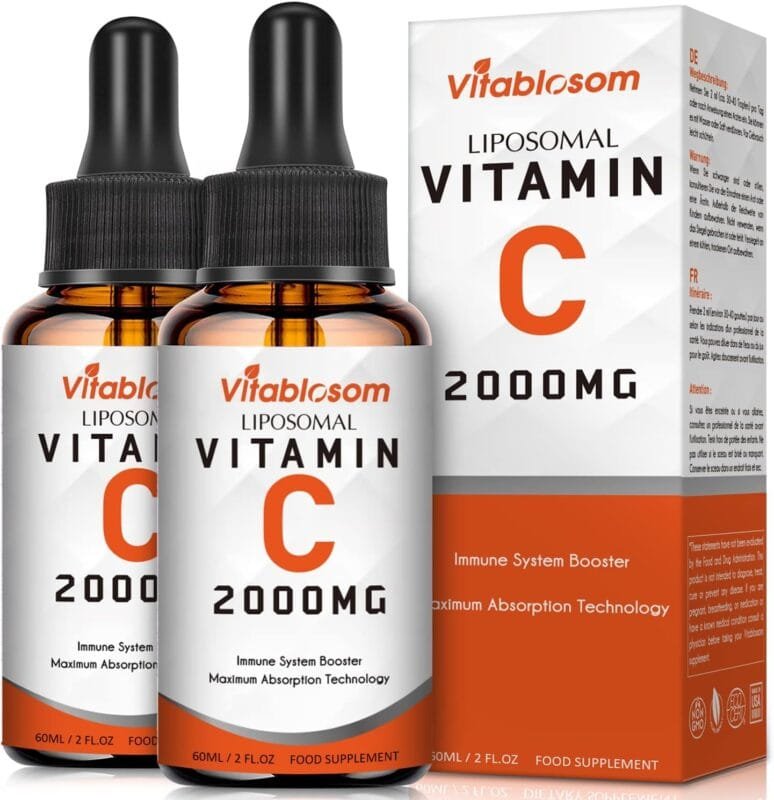
A morning skincare routine with vitamin C is one of the most commonly recommended additions for good reason: vitamin C is an antioxidant that helps neutralize free radical damage from UV exposure and pollution throughout the day while also supporting a brighter, more even skin tone over time. Apply a few drops to clean skin and allow it to absorb for a minute or two before moving on.
Step 4: Treatment Serums (Niacinamide, Hyaluronic Acid, etc.)
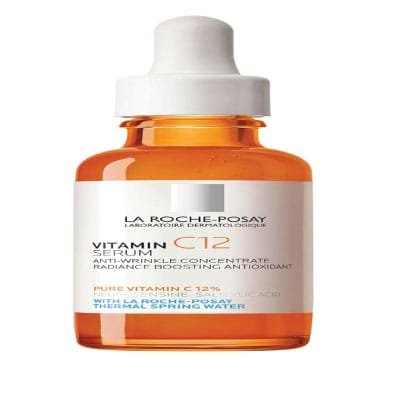
If you’re using additional targeted serums, niacinamide for oil control and tone, hyaluronic acid for hydration, or azelaic acid for redness, this is where they layer in. A morning skincare routine with niacinamide and vitamin C is a popular, generally well-tolerated combination, since niacinamide is gentle enough to pair with most other actives without conflict.
Step 5: Eye Cream (Optional)
If dark circles, puffiness, or fine lines around the eyes are a concern, a lightweight eye cream with caffeine or peptides can be patted in gently using your ring finger, which naturally applies the lightest pressure.
Step 6: Moisturizer
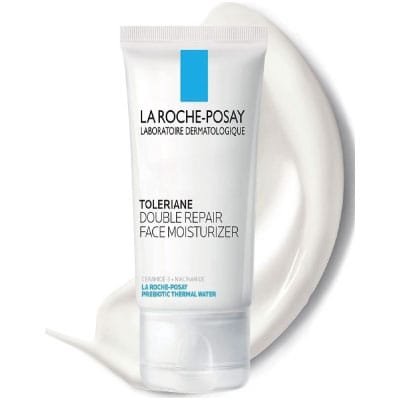
Regardless of skin type, a moisturizer helps seal in everything applied beneath it and reinforces your skin barrier. Oily skin types should look for a lightweight, gel-based formula, while dry skin benefits from a richer cream.
Step 7: Sunscreen (Never Skip This)
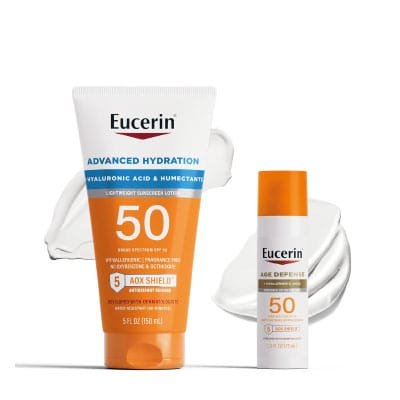
This is the single most important step in any morning skincare routine steps list. A broad-spectrum SPF 30 or higher protects against both UVA (aging) and UVB (burning) rays and is the one product with the clearest, most universally agreed-upon evidence for preventing premature aging, dark spots, and skin cancer. Apply it as the very last step, generously, and reapply every two hours if you’re outdoors for extended periods.
Morning Skincare Routine by Skin Type
Best Morning Skincare Routine for Oily Skin
For oily skin, lightweight gel or water-based products work best throughout the routine. A morning skincare routine for oily skin should prioritize a gentle gel cleanser (or just water), a niacinamide serum to help regulate oil production, an oil-free moisturizer, and a matte or gel-based sunscreen that won’t add extra shine.
Best Morning Skincare Routine for Dry Skin
Dry skin benefits from layering hydration. A morning skincare routine for dry skin typically skips a foaming cleanser altogether in favor of water or a cream cleanser, followed by a hydrating essence, hyaluronic acid serum, a richer moisturizer, and a hydrating sunscreen formula rather than a mattifying one.
Best Morning Skincare Routine for Combination Skin
Combination skin often needs a slightly customized approach, lighter products in the T-zone, and richer hydration on the cheeks. A morning skincare routine for combination skin can use a single gel-cream moisturizer applied more heavily on drier areas, avoiding the need for two completely separate product sets.
Best Morning Skincare Routine for Sensitive Skin
Simplicity is key here. A morning skincare routine for sensitive skin should minimize the number of active ingredients, prioritize fragrance-free formulas, and always patch-test new products before adding them to a daily routine.
Best Morning Skincare Routine for Acne-Prone Skin
For acne-prone skin, a morning skincare routine approach typically saves stronger acne treatments (like salicylic acid or benzoyl peroxide) for the evening routine and focuses the morning on gentle cleansing, oil-regulating niacinamide, a lightweight non-comedogenic moisturizer, and an oil-free, non-comedogenic sunscreen.
Best Morning Skincare Routine for Mature Skin and Anti-Aging
A morning skincare routine anti-aging approach centers heavily around antioxidant protection (vitamin C) and diligent SPF use, since sun protection is one of the most effective, evidence-backed ways to slow visible signs of aging. Richer moisturizers and peptide-containing serums can also support skin structure and hydration for mature skin.
Morning Skincare Routine by Age
Morning Skincare Routine for Teenagers (Ages 11–19)
Teen skin usually needs far less than adult skin; a gentle cleanser, a lightweight moisturizer, and sunscreen are typically enough. A morning skincare routine for 13-year-olds or younger teens generally doesn’t need active anti-aging or heavy treatment serums; the priority at this age is establishing good, simple habits (especially consistent SPF use) rather than layering on unnecessary products.
Morning Skincare Routine in Your 30s
A morning skincare routine for 30-year-old skin often starts introducing antioxidant serums like vitamin C and begins prioritizing consistent SPF use even more heavily, since this is typically when early signs of sun damage and fine lines start to become more noticeable.
Morning Skincare Routine for Women Over 40 and Over 50
A morning skincare routine for women over 40 or over 50 usually shifts toward richer moisturizers, added peptides or ceramides for barrier support, and continued diligent antioxidant and SPF use, since skin naturally produces less oil and collagen with age, making hydration and protection even more central to the routine.
Morning Routine After Retinol or Tretinoin the Night Before
If you use retinol or tretinoin at night, your morning skincare routine after retinol needs a few adjustments the next day: skin can be more sensitive and sun-reactive after retinoid use, so a gentle cleanser (or just water), a hydrating, barrier-supporting moisturizer, and diligent, generous sunscreen application become even more essential. Avoid introducing other strong actives (like exfoliating acids) into the same-day morning routine, since combining too many strong ingredients can lead to irritation.
Morning Skincare Routine for Specific Concerns
Morning Skincare Routine for Dark Spots and Hyperpigmentation
A morning skincare routine for dark spots should combine a vitamin C serum (for its brightening, antioxidant benefits) with consistent, generous SPF, since unprotected sun exposure is one of the biggest triggers for new spots forming and existing ones darkening further.
Morning Skincare Routine for Hormonal Acne
For a morning skincare routine for hormonal acne, the focus should stay gentle and consistent: a mild cleanser, niacinamide to help balance oil production, and a non-comedogenic sunscreen,while saving stronger acne-targeted treatments for an evening routine under a dermatologist’s guidance if needed.
Morning Skincare Routine for a Damaged Skin Barrier
If your skin feels tight or reactive or has been over-exfoliated, a morning skincare routine for damaged skin barrier should strip back to the basics: a gentle, non-foaming cleanser (or just water); a ceramide-rich moisturizer; and mineral sunscreen, while skipping active ingredients like vitamin C or acids until the barrier has had time to recover.
Korean and Japanese Morning Skincare Routines
Korean morning skincare routine structures are known for their layered, hydration-focused approach, often starting with a light toner, followed by an essence, one or two lightweight serums (frequently niacinamide or centella asiatica), and finishing with a lightweight moisturizer and sunscreen. The philosophy leans toward “less irritation, more hydration” rather than using the strongest possible actives.
A Japanese skincare routine, morning and night, tends to place heavy emphasis on sun protection specifically, given the popularity of high-SPF daily wear in Japanese beauty culture, alongside lightweight, often milky lotions that prioritize a soft, dewy finish over heavy, occlusive textures.
Quick and Minimalist Morning Routines
Not everyone has time for a seven-step routine every morning, and that’s completely fine; a quick morning skincare routine can be just as effective with far fewer steps:
- Splash face with lukewarm water (or a gentle cleanser if needed)
- Apply a moisturizer with SPF built in, or a lightweight moisturizer followed immediately by sunscreen
- Optional: a vitamin C serum a few times a week if you want some extra antioxidant benefit without a full multi-step routine
This kind of simple morning skincare routine still covers the two non-negotiables, hydration and sun protection, without requiring ten minutes and eight products every day.
Morning Skincare Routine Before Makeup or the Gym
If you’re applying makeup afterward, make sure your final skincare step (usually sunscreen or moisturizer) has fully absorbed for a couple of minutes before starting your makeup routine to avoid pilling. If you’re heading to the gym instead, a lighter version of your routine, a cleanser, and a non-comedogenic moisturizer, skipping heavier serums, followed by a proper cleanse post-workout, ends up working better than layering a full routine right before sweating.
Common Morning Skincare Mistakes to Avoid
Even a well-planned routine can fall short if a few common habits sneak in:
Skipping sunscreen on cloudy or indoor days—UV rays penetrate clouds and windows, so skipping SPF on overcast days or when you’re mostly indoors still leaves skin unprotected from cumulative damage.
Applying sunscreen too thinly — most people apply far less than the tested amount needed for the labeled SPF protection. A general guideline is about a nickel-sized amount for the face alone.
Using hot water to cleanse or rinse—hot water can strip natural oils and irritate skin first thing in the morning; lukewarm water is gentler and just as effective.
Layering too many active ingredients at once—combining vitamin C, niacinamide, exfoliating acids, and retinoids all in one morning routine—increases the risk of irritation. Introduce new actives one at a time.
Applying makeup immediately after sunscreen—give sunscreen a minute or two to set before starting makeup application, or products can pill and both effectiveness and finish suffer.
Not adjusting the routine seasonally—using the same rich winter moisturizer in a hot, humid summer (or vice versa) can lead to either an overly heavy or insufficiently hydrating result.
Budget-Friendly vs. Higher-End Morning Routine Products
You don’t need an expensive routine to get real results, for most of the core steps, the ingredients and formulation matter more than the price tag:
Cleanser: A basic, gentle drugstore cleanser performs just as well as premium options for most skin types, since the main job is simply removing surface oil without stripping skin.
Vitamin C serum: Stability and concentration matter more than brand name—a well-formulated, properly packaged (opaque, airtight) drugstore vitamin C serum can be just as effective as a prestige version.
Moisturizer: Ingredient list matters more than price — look for ceramides, hyaluronic acid, or glycerin regardless of which price tier you’re shopping in.
Sunscreen: This is the step worth prioritizing finding a formula you’ll actually enjoy wearing daily, even if it costs a bit more, since consistency matters far more than which specific brand you use. A great SPF you skip half the time is far less effective than a slightly less “ideal” one you wear every single day without fail.
Splurging tends to make the most sense for products you’re especially picky about in terms of texture or finish (often moisturizer or sunscreen), while basics like cleanser can usually stay budget-friendly without sacrificing results.
What is a good, simple morning skincare routine for beginners? A basic, effective starting routine is to rinse with water or a gentle cleanser, apply a lightweight moisturizer, and then finish with broad-spectrum SPF 30+. This covers the essentials without overwhelming beginners with too many products at once.
Do I really need to cleanse my face every morning? Not necessarily. If your skin isn’t oily and you don’t sweat heavily overnight, rinsing with water is often enough. Those with oilier skin may still prefer a gentle cleanser to start the day feeling fresh.
What order should I apply my morning skincare products? Generally: cleanser (or water) → toner/essence → antioxidant serum → treatment serums → eye cream → moisturizer → sunscreen, moving from thinnest to thickest consistency.
Can I use vitamin C and niacinamide together in the morning? Yes, this combination is widely used and generally well-tolerated. Niacinamide can help calm any mild irritation some people initially experience from vitamin C.
Do I need sunscreen even if my moisturizer already has SPF? A moisturizer with built-in SPF can work if applied generously enough, but many dermatologists still recommend a separate, dedicated sunscreen for more reliable, complete coverage, especially if you’re spending extended time outdoors.
What should my morning skincare routine look like after using retinol the night before? Keep it gentle—a mild cleanser or just water, a hydrating moisturizer, and generous sunscreen, since skin tends to be more sun-sensitive the day after retinoid use.
Is a morning skincare routine necessary if I already do a full night routine? Yes—your morning routine has a different job (protection) than your night routine (repair). Skipping morning sunscreen in particular can undo a lot of the benefits your night routine is working toward.
What’s the best morning skincare routine for acne-prone skin? Keep it simple and non-comedogenic: a gentle cleanser, an oil-regulating serum like niacinamide, a lightweight moisturizer, and an oil-free sunscreen—saving stronger acne treatments for your evening routine.
How long should a morning skincare routine take? A full, multi-step routine typically takes 5–10 minutes, but an effective minimalist version can take under 2 minutes and still cover the essentials of hydration and sun protection.
What’s different about a Korean morning skincare routine compared to a Western one? Korean routines tend to use more, lighter-weight layered steps focused on hydration, while many Western routines rely on fewer but more concentrated, potent products. Both approaches can be effective—it largely comes down to personal preference and skin needs.
Should my morning routine change with the seasons? Yes—many people switch to a lighter moisturizer in summer and a richer one in winter and may reduce active ingredient use slightly in colder months when skin can be more prone to dryness and sensitivity.
What’s the most important step in any morning skincare routine? Sunscreen. It’s the one step with the strongest, most universally agreed-upon evidence for preventing premature aging, dark spots, and skin cancer, making it the step you should never skip regardless of how simple or complex the rest of your routine is.
Final Thoughts
A great morning skincare routine doesn’t need to be complicated or expensive — it needs to be consistent and tailored to your actual skin type and concerns. Whether you’re following a full seven-step layered routine or a two-minute version with just moisturizer and sunscreen, the core principles stay the same: protect your skin from the day ahead, support whatever your skin specifically needs (oil control, hydration, brightening, calming), and never skip sun protection, since it remains the single most impactful step you can take for long-term skin health.
If you’re just starting out, resist the urge to add every trending product at once. Build your routine gradually; give new products a few weeks to show results; and pay attention to how your skin actually responds—that consistency will do more for your skin over time than chasing the newest ten-step trend.
2