
If your skin looks shiny by midafternoon, your foundation slides off by lunch, or you’re constantly battling clogged pores and breakouts, the right cleanser can make a bigger difference than almost any other step in your routine. This guide covers the best face wash for oily skin by concern, ingredient, budget, and skin sensitivity, so you can stop guessing and start managing shine and breakouts effectively.
Why Your Cleanser Matters So Much for Oily Skin
Oily skin produces more sebum than normal or dry skin, largely driven by genetics, hormones, and sometimes climate. Your cleanser is the one product you use every single day specifically to manage that oil, which means the wrong formula can either leave your face still feeling greasy an hour later or—just as commonly — strip your skin so aggressively that it rebounds by producing even more oil to compensate. Best Face Wash for Oily Skin
- Remove excess sebum, makeup, and sunscreen without stripping the skin barrier
- Help keep pores clear to prevent blackheads and breakouts
- Leave skin balanced, not tight or overly dry, which paradoxically triggers more oil production
How to Tell If You Actually Have Oily Skin
A well-formulated face wash for oily skin should: Best Face Wash for Oily Skin
It’s worth confirming this before building a routine around it, since combination skin and dehydrated skin (which can look oily but is actually lacking water, not producing excess oil) are often mistaken for straightforwardly oily skin:
True oily skin produces visible shine across most or all of the face within a few hours of cleansing, tends to have larger, more visible pores, and is generally more prone to blackheads and breakouts
Combination skin is oily specifically in the T-zone (forehead, nose, chin) while the cheeks stay normal or even dry
Dehydrated skin can look shiny or greasy despite lacking water, often because the skin overproduces oil to compensate for insufficient hydration—in this case, richer hydrating ingredients (not oil-stripping ones) are usually the better fix
Getting this distinction right matters, since treating dehydrated skin like it’s simply oily—with harsh, stripping cleansers—often makes the underlying problem worse rather than better. Best Face Wash for Oily Skin
Common Misconceptions About Oily Skin
“Oily skin doesn’t need moisturizer.” This is one of the most persistent and counterproductive myths in skincare. Skipping moisturizer on oily skin often signals to your skin that it needs to produce even more oil to compensate for the lack of surface hydration, creating a cycle that’s difficult to break without reintroducing a lightweight, oil-free moisturizer. Best Face Wash for Oily Skin
“The tighter and drier my skin feels after washing, the better it’s working.” A tight, stripped feeling isn’t a sign of an effective cleanse—it’s usually a sign of a formula that’s too harsh, which frequently leads to a rebound increase in oil production within a few hours.
“Natural oils in a cleanser will make oily skin worse.” Not necessarily. Certain non-comedogenic oils, like squalane, can actually help balance oil production by signaling to your skin that it doesn’t need to overproduce sebum, since the skin already senses adequate lipid levels on the surface. Best Face Wash for Oily Skin
“Oily skin doesn’t need sunscreen because it’s already protected.” Oily skin has no inherent extra protection from UV damage. A lightweight, oil-free, gel-based sunscreen is just as essential for oily skin as any other skin type. Best Face Wash for Oily Skin
What Ingredients Should You Look for in a Face Wash for Oily Skin?
A handful of well-studied ingredients consistently show up in the most effective formulas for oily and acne-prone skin:
Salicylic acid (BHA)—oil-soluble, so it can penetrate into pores to clear built-up sebum and dead skin cells, making it one of the most effective ingredients for blackheads and clogged pores.
Niacinamide helps regulate sebum production over time while also calming redness, without the drying effect of stronger actives.
Charcoal or clay—physically absorbs excess oil during cleansing, useful for an immediate mattifying effect
Glycolic acid—a gentle exfoliating acid that helps with texture and dullness alongside oil control
Tea tree oil—has natural antibacterial properties, often included in gentler, more “natural”-leaning formulas
Zinc PCA—helps regulate oil production and has mild antibacterial properties, increasingly common in oil-control formulas
What to generally avoid: heavy oils, thick creams, and harsh sulfates that strip skin completely, since over-stripping often backfires by triggering a rebound increase in oil production. Best Face Wash for Oily Skin
Best Gel Cleanser for Oily Skin
Gel cleansers are one of the most popular formats for oily skin, since they typically rinse clean without leaving any residue behind. Look for a gel formula with salicylic acid or niacinamide for the best combination of a fresh, non-greasy finish and genuine oil control.
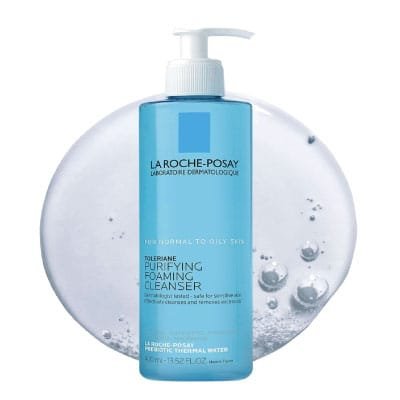
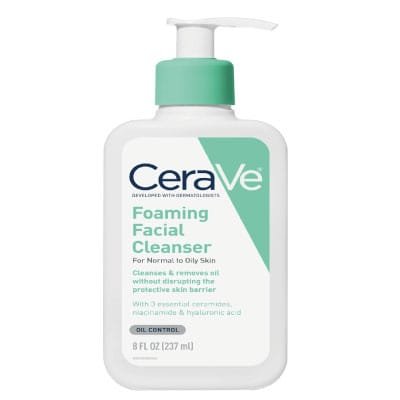
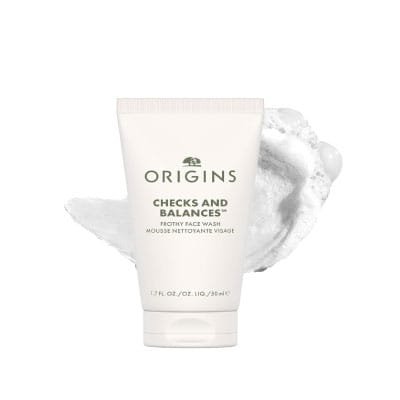
Best Foaming Cleanser for Oily Skin
Foaming cleansers create a rich lather that many people associate with a “deep clean” feeling. They can be very effective for oily skin, though it’s worth choosing a foaming formula that’s sulfate-free or low-sulfate to avoid excessive stripping, which can lead to that rebound oiliness later in the day.
Best Clay Cleanser for Oily Skin
Clay-based cleansers (often kaolin or bentonite clay) are excellent at absorbing excess sebum during the cleanse itself, offering a mattifying effect that lasts longer than a typical gel or foam. These work particularly well as an occasional deeper cleanse rather than a twice-daily staple, since clay can be slightly more drying with frequent use. Best Face Wash for Oily Skin
Best Charcoal Face Wash for Oily Skin
Charcoal-infused cleansers work on a similar principle to clay, drawing out excess oil and impurities. They’re a popular choice for anyone dealing with visibly clogged pores or a dull, congested complexion in addition to general oiliness.
Best Face Wash for Oily, Acne-Prone Skin
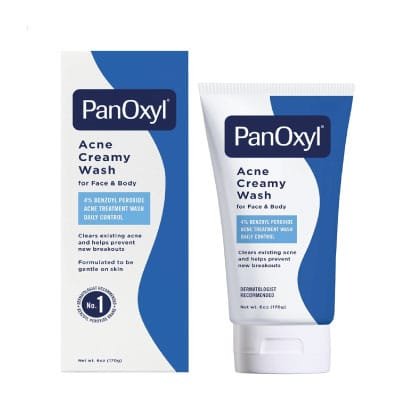
For those managing both oiliness and breakouts, salicylic acid remains the single most consistently recommended ingredient. It’s oil-soluble, meaning it travels into the pore lining itself rather than just sitting on the surface, making it especially effective for blackheads, whiteheads, and general clogged-pore congestion. Benzoyl peroxide is another strong option for more inflamed, active breakouts, though it can be more drying, so introducing it gradually is generally the better approach.
Best Face Wash for Combination Oily Skin
If you’re oily specifically in the T-zone but more normal or even dry on the cheeks, a gentle gel-cream hybrid cleanser tends to strike the best balance—enough cleansing power to manage the T-zone without over-drying the rest of your face. Avoid alternating between two very different cleansers for different zones, since this is rarely necessary and adds complexity without much added benefit. Best Face Wash for Oily Skin
Best Drugstore Face Wash for Oily Skin
You don’t need a premium price tag to see real results. A well-formulated drugstore salicylic acid or niacinamide cleanser can perform just as effectively as pricier alternatives—what matters most is the concentration of active ingredients, not the brand name or packaging. Most major drugstore skincare brands carry at least one solid oil-control option, often at a fraction of the cost of prestige alternatives with comparable formulations. Best Face Wash for Oily Skin
Best Face Wash for Oily Skin—The Ordinary
The Ordinary has built a reputation for straightforward, ingredient-focused skincare at accessible prices. Their salicylic acid cleanser is frequently recommended specifically for oily and acne-prone skin, offering a no-frills formula without unnecessary fragrance or filler ingredients. Best Face Wash for Oily Skin
Best Korean Face Wash for Oily Skin
Korean skincare brands have become increasingly popular for oily and combination skin thanks to lightweight, gentle formulas that manage oil without the harsh, stripping approach common in some older Western formulations. Many Korean cleansers for oily skin lean on gentle exfoliating ingredients (like BHA at lower concentrations) combined with soothing extracts like green tea or centella asiatica, aiming for a balance between effective oil control and long-term barrier health. Best Face Wash for Oily Skin
Best Face Wash for Oily Skin and Large Pores
Enlarged pores often appear more noticeable when they’re stretched by trapped oil and debris. A cleanser with consistent, gentle exfoliation—salicylic or glycolic acid—helps keep pores clear over time, which can make them appear visibly smaller, even though pore size itself doesn’t physically shrink. Consistency matters more here than any single “pore-minimizing” claim on a bottle.
Best Face Wash for Oily, Sensitive Skin
If your skin is both oily and easily irritated, this is a genuinely tricky combination, since many oil-control ingredients can be drying or irritating on reactive skin. Look for a gentle, fragrance-free formula with a lower concentration of salicylic acid, or one that relies more on niacinamide and soothing ingredients like Centella asiatica rather than harsher exfoliants or foaming agents.
Best Face Wash for Oily Skin in Humid Climates
Humidity tends to amplify oiliness, since higher ambient moisture can increase sebum production and make skin feel greasier faster throughout the day. In humid climates, a lightweight gel or foaming cleanser with a mattifying ingredient like niacinamide or a touch of clay tends to perform best, paired with an equally lightweight, oil-free moisturizer rather than skipping moisturizer altogether, which often backfires. Best Face Wash for Oily Skin
Best Face Wash for Oily Skin for Men
Men’s skin tends to run slightly oilier on average due to higher testosterone levels, which stimulate more sebum production, along with typically thicker skin. A straightforward gel or foaming cleanser with salicylic acid or charcoal works well, and the biggest factor in results is usually consistency of use — twice daily — rather than needing a dramatically different formulation than what’s recommended for oily skin generally. Best Face Wash for Oily Skin
Best Face Wash for Teenage Oily Skin
Teen skin often becomes oilier during puberty due to hormonal changes, frequently accompanied by breakouts. A gentle but effective salicylic acid cleanser, used consistently, tends to work well without being overly harsh on skin that’s still adjusting to these hormonal shifts. Avoid reaching for the strongest, most aggressive formula available—consistent, moderate treatment tends to outperform harsh, sporadic treatment for teenage acne and oiliness alike. Best Face Wash for Oily Skin
How to Properly Cleanse Oily Skin
Even the best face wash won’t perform well if used incorrectly. A few key habits make a real difference:
Cleanse twice daily—morning and night. More than that can strip your skin and trigger a rebound increase in oil production.
Use lukewarm water, not hot, since hot water can strip natural oils excessively and irritate skin.
Massage for a full 30–60 seconds rather than a quick rinse, giving active ingredients time to actually work.
Avoid over-scrubbing with rough textures or brushes, which can irritate skin and worsen oil production over time.
Always follow with a lightweight, oil-free moisturizer—skipping moisturizer is one of the most common mistakes people with oily skin make, and it often triggers more oil production rather than less.
Don’t over-cleanse during the day—resist the urge to wash your face every time it feels oily; blotting papers are a better midday solution than repeated washing.
Common Mistakes That Make Oily Skin Worse
Over-washing—cleansing more than twice a day strips the skin barrier and can trigger a rebound increase in oil production
Skipping moisturizer—oily skin still needs hydration; skipping it often backfires
Using overly harsh, drying cleansers—a formula that leaves skin feeling extremely tight isn’t necessarily “working better”; it’s often just stripping your barrier
Combining too many strong actives at once—layering a strong cleanser, a strong exfoliant, and a strong spot treatment simultaneously increases the risk of irritation without proportionally better results
Using hot water—this strips natural oils excessively and can worsen irritation
Building a Full Routine Around Your Oily Skin Cleanser
A cleanser works best as part of a coordinated routine rather than in isolation. A simple, effective structure for oily skin looks like this:
Morning Best Face Wash for Oily Skin: Gentle gel or foaming cleanser → lightweight niacinamide serum → oil-free, gel-based moisturizer → oil-free, mattifying sunscreen
Evening Best Face Wash for Oily Skin: Double cleanse if wearing makeup or heavy sunscreen (micellar water or a light oil cleanser, followed by your regular cleanser) → salicylic acid treatment (a few nights a week) → lightweight, oil-free moisturizer
This structure avoids the common trap of relying on the cleanser alone to control oil throughout the entire day, instead distributing oil-control ingredients across a few coordinated steps, which tends to produce more consistent, longer-lasting results than expecting a single product to do all the work.
Face Wash Ingredients Worth Avoiding for Oily Skin
Just as some ingredients help, a few commonly found ingredients tend to work against oily, acne-prone skin:
Heavy mineral oil or petrolatum in a cleanser can feel overly rich and occlusive for already-oily skin, though these ingredients are far more of a concern in leave-on products than in a quickly rinsed-off cleanser
Strong sulfates (like Sodium Lauryl Sulfate) can be excessively stripped with frequent use, contributing to the rebound oil production cycle
Alcohol denat. in high concentrations can feel refreshing initially but often leads to excessive dryness and irritation over time
Heavy synthetic fragrance doesn’t directly affect oil production, but it does increase the risk of irritation, which can indirectly worsen breakouts on already-reactive, oily, acne-prone skin. Best Face Wash for Oily Skin
How Long Until You See Results? Best Face Wash for Oily Skin
Most dermatologists suggest giving a new face wash at least 4–6 weeks of consistent, twice-daily use before judging its full effect on oil control and breakouts. Some improvements—like an immediate mattifying feel after washing—are noticeable right away, but the deeper changes (fewer breakouts, more balanced oil production over the course of a full day) take longer to develop as your skin adjusts to the new formula and routine. Best Face Wash for Oily Skin
What is the best face wash for oily skin overall? There isn’t one universal answer, but salicylic acid-based gel or foaming cleansers are consistently rated among the most effective for managing oil, clogged pores, and mild breakouts across a wide range of oily skin types.
Should I use a foaming or gel cleanser for oily skin? Both can work well. Gel cleansers tend to feel lighter and rinse cleaner, while foaming cleansers offer a more thorough “deep clean” feeling—the right choice often comes down to personal preference rather than one being definitively superior.
Is it bad to wash oily skin more than twice a day? Yes, generally. Over-washing can strip your skin barrier and trigger a rebound increase in oil production, making your skin oilier over time rather than less oily.
What ingredient is best for oily, acne-prone skin specifically? Salicylic acid is the most consistently recommended ingredient for oily, acne-prone skin, since it’s oil-soluble and can penetrate into pores to clear built-up debris and excess sebum.
Can a face wash alone control oily skin, or do I need other products? A cleanser is an important foundation, but a full routine—a lightweight, oil-free moisturizer, a treatment serum like niacinamide, and daily sunscreen—generally produces better, more consistent oil control than the cleanser alone.
Is charcoal or clay better for oily skin? Both work on a similar principle of absorbing excess oil, though clay is often slightly stronger and can be more drying with frequent use, making it well-suited to occasional deeper cleansing rather than a daily formula.
Final Thoughts
There’s no single best face wash for oily skin that works identically for everyone—the right choice depends on how oily your skin actually is, whether you’re also managing acne, how sensitive your skin is, and even your climate. That said, a few principles hold true across almost every oily skin type: salicylic acid and niacinamide are reliable, well-studied starting points, over-washing and over-stripping almost always backfire, and consistency matters more than chasing the single “strongest” formula on the shelf.
Whichever cleanser you choose, give it several weeks of twice-daily use before judging results, and don’t skip moisturizer even on your oiliest days — a properly hydrated, balanced skin barrier is ultimately what keeps oil production in check long-term, more than any single product ever will on its own.