
Skincare for Beginners Starting a skincare routine feels overwhelming. Walk into any pharmacy or beauty store and you face an entire wall of cleansers, toners, serums, moisturizers, exfoliants, eye creams, facial oils, and SPF products—each claiming to be essential, each using ingredient names you have never heard of, and none of them telling you which one to start with or what order to use them in. Skincare for Beginners
This guide cuts through all of it. By the end you will know exactly which products you need, exactly what order to use them in, and exactly how to build a routine that works for your specific skin type—whether you are starting from zero or rebuilding a routine that has not been working. Skincare for Beginners
Why You Need a Skincare Routine
Your skin is your largest organ—and the only one permanently exposed to UV radiation, pollution, temperature changes, and environmental stress every single day. Without a basic protective routine, these stressors accumulate: collagen breaks down, pores get congested, pigmentation develops, and the skin barrier weakens. Once these changes occur, they are significantly harder to reverse than they are to prevent. Skincare for Beginners
A basic skincare routine does three things: Skincare for Beginners
1. Cleanse—Remove the daily buildup of pollution, SPF, excess sebum, and dead skin cells that interfere with skin function
2. Treat—Deliver targeted active ingredients that address specific concerns—oil, dark spots, dehydration, aging
3. Protect—Seal in treatment with moisturizer and defend against UV damage with SPF
That is it. Everything else is optional enhancement—not essential foundation.
Step 1—Identify Your Skin Type
Before choosing any product, understanding your skin type prevents the single most common beginner mistake: buying products designed for a different skin type than yours. Skincare for Beginners
The 4 Main Skin Types
Oily skin: Skincare for Beginners
Visible shine by midday—sometimes within hours of cleansing
Enlarged pores—particularly on the T-zone (forehead, nose, chin)
Prone to blackheads, whiteheads, and breakouts
Makeup tends to slide off throughout the day
Skin feels comfortable or even comfortable after cleansing
Dry skin: Skincare for Beginners
Feels tight or uncomfortable after cleansing
Rough or slightly flaky texture—particularly around the nose, cheeks, and jawline
Pores are small and mostly invisible
Fine lines appear more pronounced
Skin absorbs products quickly but rarely feels truly comfortable for long
Combination skin: Skincare for Beginners
Oily T-zone (forehead, nose, chin) with normal or dry cheeks
The most common skin type globally
Pores visible on the nose and forehead, smaller on cheeks
Breakouts concentrated on the T-zone.
Cheeks can feel slightly dry, while the forehead looks shiny
Sensitive skin: Skincare for Beginners
Reacts easily to new products—redness, stinging, or itching
easily irritated by fragrance, alcohol, or strong actives
May have rosacea, eczema, or general reactivity
Needs fragrance-free, minimal-ingredient formulas
Can be any other type simultaneously (sensitive oily, sensitive dry)
The Quick Skin Type Test
Wash your face with a gentle cleanser. Pat dry. Wait 30 minutes without applying anything. Then observe:
Shiny all over—oily skin
Shiny on nose and forehead only—combination skin
Tight and possibly flaky—dry skin
Comfortable and neither shiny nor tight—normal skin
The Basic Skincare Routine for Beginners — 3 Steps
Before adding anything else, master these three steps consistently. This is the foundation that makes everything else work. Skincare for Beginners
Step 1—Cleanser
Cleansing removes the buildup that accumulates throughout the day and night—excess sebum, pollution particles, SPF, dead skin cells, and makeup. Without clean skin, your treatment products cannot absorb effectively, and your moisturizer sits on top of contaminated skin rather than doing its job.
How to cleanse correctly: Skincare for Beginners
Use lukewarm water—never hot (strips natural oils) and never cold (does not dissolve sebum effectively)
Apply cleanser to wet skin and massage for 60 seconds minimum—most people cleanse for 10 to 15 seconds, which is insufficient
Rinse thoroughly—cleaner residue causes irritation
Pat dry with a clean towel — never rub
Cleanse twice daily: morning (removes overnight sebum and bacteria) and night (removes day’s buildup, including SPF and pollution).
Best Beginner Cleansers by Skin Type
For oily and combination skin: 🛒 CeraVe Foaming Facial Cleanser — Mild surfactants remove excess sebum without stripping. Ceramides and niacinamide are added. Non-comedogenic.
🛒 COSRX Low pH Good Morning Gel Cleanser—pH 5.0 Korean cleanser. Best budget option for oily skin.
For dry and sensitive skin: 🛒 CeraVe Hydrating Facial Cleanser—Non-foaming. Ceramides maintain moisture while cleansing. Most gentle beginner option.
🛒 La Roche-Posay Toleriane Hydrating Gentle Cleanser—Best for sensitive and reactive skin.
Step 2—Moisturizer
Moisturizer seals in hydration, supports barrier function, and creates the protective layer that prevents moisture loss throughout the day and night. Every skin type needs moisturizer—including oily skin.
The biggest beginner mistake: skipping moisturizer on oily skin. Dehydrated oily skin produces more sebum to compensate for the moisture deficit—making oiliness worse, not better. An oil-free gel moisturizer provides the water-based hydration that breaks this cycle. Skincare for Beginners
Apply moisturizer while skin is still slightly damp—within 60 seconds of cleansing or toning. The moisture present on the skin surface improves humectant ingredient absorption significantly.
Best Beginner Moisturizers by Skin Type
For oily and combination skin: 🛒 Neutrogena Hydro Boost Water Gel—Oil-free. Absorbs completely in 60 seconds. No greasiness. Best beginner moisturizer for oily skin.
🛒 CeraVe PM Facial Moisturizing Lotion — Lightweight niacinamide and ceramide formula. Perfect night moisturizer for oily skin.
For dry and normal skin: 🛒 CeraVe Moisturizing Cream—Three essential ceramides. Most dermatologist-recommended dry skin moisturizer.
🛒 La Roche-Posay Toleriane Double Repair Moisturizer—Best for sensitive and dry skin beginners.
Step 3 — SPF 50 (Morning Only — Non-Negotiable)
SPF is the single most important skincare product you will ever use. More important than any serum, eye cream, or treatment product. Here is why: UV radiation causes approximately 80% of visible skin aging—fine lines, dark spots, uneven skin tone, and loss of elasticity. This damage accumulates every day whether you are outdoors or sitting by a window.
SPF is also the product most beginners skip—because they do not feel it working, because they think they do not get enough sun exposure to need it, or because every SPF they have tried feels too heavy.
Best Beginner SPF by Skin Type
For oily skin: 🛒 Beauty of Joseon Relief Sun SPF 50+ PA++++—Lightweight Korean sunscreen. Zero white cast. Niacinamide included. Best beginner SPF for oily skin.
🛒 Neutrogena Ultra Sheer Dry-Touch SPF 55—Best affordable drugstore SPF for oily skin.
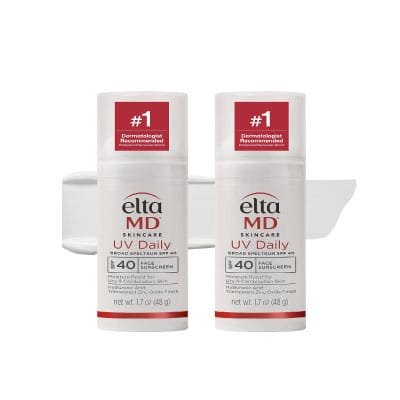
For dry and sensitive skin: 🛒 EltaMD UV Clear Broad-Spectrum SPF 46—Zinc oxide plus niacinamide. Best for sensitive and acne-prone skin.
🛒 La Roche-Posay Anthelios Mineral SPF 50—Best mineral SPF for sensitive skin beginners.
The Complete Beginner Skincare Routine — Morning and Night
Morning Routine for Beginners
| Step | Product | Time |
|---|---|---|
| 1 | Gentle cleanser | 60-second massage |
| 2 | Moisturizer | Apply to damp skin. |
| 3 | SPF 50—final step | 2 to 3 minutes before going out |
That is it for your first month. Three products. Done every morning. This alone—done consistently for 4 weeks—will visibly improve your skin.
Night Routine for Beginners: Skincare for Beginners
| Step | Product | Time |
|---|---|---|
| 1 | Oil cleanser (if wearing SPF or makeup) | 60 seconds |
| 2 | Gentle gel or cream cleanser | 60 seconds |
| 3 | Moisturizer | Apply to damp skin |
No SPF at night—you do not need UV protection while sleeping. Skincare for Beginners
Building Your Routine — What to Add After Month 1
Once you have mastered the 3-step foundation consistently for 4 weeks, begin adding one product at a time. Wait 2 weeks between additions to identify what causes any reactions.
Add First—Niacinamide Serum (Week 5)
Niacinamide is the best first serum for virtually every beginner because it addresses the most common skin concerns simultaneously—without irritation, without purging, and without a complicated introduction protocol.
What niacinamide does: Skincare for Beginners
Reduces oil production by up to 55% at 10% concentration (oily skin)
Fades post-acne dark spots through melanin transfer inhibition
Minimizes pore appearance within 6 to 8 weeks
Strengthens the skin barrier
Calms redness and inflammation
How to add: Apply after cleansing, before moisturizer. Morning and night. No special introduction needed—start daily immediately.
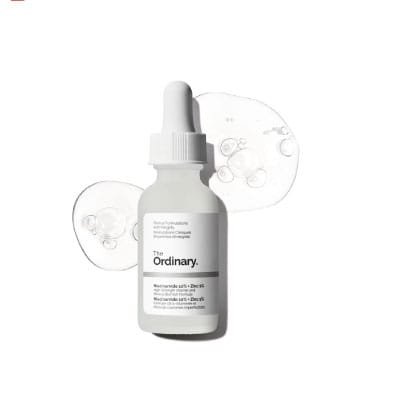
🛒 The Ordinary Niacinamide 10% + Zinc 1%—The world’s bestselling niacinamide serum at $7. Best first serum for all skin types. (Affiliate link)
Add Second—Toner (Week 7)
A toner rebalances your skin’s pH after cleansing and delivers the first layer of targeted active ingredients before serum. For oily skin—a BHA toner begins clearing pore congestion at the very first step. For dry skin, a hydrating toner adds the first layer of moisture.
What toner to choose: Skincare for Beginners
Oily and acne-prone skin: BHA toner with salicylic acid—clears pore congestion from the first routine step 🛒 COSRX AHA/BHA Clarifying Treatment Toner—The best gentle BHA toner for beginners.
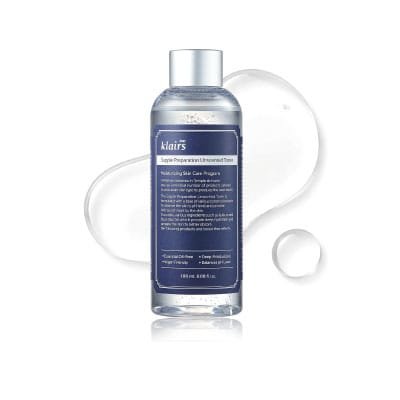
Dry and sensitive skin: Hydrating alcohol-free toner—adds first moisture layer and improves serum absorption 🛒 Klairs Supple Preparation Unscented Toner — Best alcohol-free hydrating toner for beginners.
Add Third—Hyaluronic Acid Serum (Week 9)
Hyaluronic acid serum provides water-based hydration that benefits every skin type—the most universally appropriate skincare active available. For dry skin it is essential. For oily skin it addresses the dehydration that drives compensatory oil production.
Application rule: Always apply to damp skin within 60 seconds of cleansing or toning. Seal immediately with moisturizer. Never allow it to air dry.
🛒 The Ordinary Hyaluronic Acid 2% + B5—The best affordable HA serum for beginners. Multi-weight formula with ceramides.
Add Later—Vitamin C Serum (Month 3)
Vitamin C is the most important morning active ingredient for long-term skin health—providing antioxidant protection against UV damage, stimulating collagen synthesis, and brightening uneven skin tone. But it is also one of the most irritating for beginners, so introduce it after establishing your routine foundation.
How to introduce: Apply to bare, clean skin after toning, before niacinamide. Morning only. Start every other day and build to daily over 2 weeks. Skincare for Beginners
🛒 The Ordinary Ascorbic Acid 8% + Alpha Arbutin 2%—the best beginner vitamin C serum. Less irritating than pure L-ascorbic acid at high concentration.
Add Last—Retinol (Months 4 to 6)
Retinol is the most clinically proven anti-aging ingredient available without a prescription—but it requires careful introduction and is not appropriate as a beginner’s first or second product. Once your skin barrier is established through consistent moisturizer and SPF use, retinol can be introduced. Skincare for Beginners
How to introduce: Apply every 5th night only for the first month. Increase frequency gradually over 8 to 12 weeks.
🛒 The Ordinary Granactive Retinoid 2% Emulsion—Best beginner retinol. Less irritating than standard retinol formulas.
Complete Beginner Skincare Routine — By Skin Type
Beginner Skincare Routine for Oily Skin
Month 1—Foundation: Morning: CeraVe Foaming Cleanser → Neutrogena Hydro Boost Gel → Beauty of Joseon Relief Sun SPF 50+ Night: CeraVe Foaming Cleanser → Neutrogena Hydro Boost Gel
Month 2 — Add serum: Morning: Cleanser → The Ordinary Niacinamide 10% → Oil-free moisturizer → SPF 50 Night: Cleanser → Niacinamide → Moisturizer
From month 3 onward—Add toner and vitamin C: Morning: Cleanser → COSRX AHA/BHA Toner → Niacinamide → Moisturizer → SPF 50 Night: Cleanser → Toner → Niacinamide → Moisturizer
Beginner Skincare Routine for Combination Skin
Month 1 — Foundation: Morning: CeraVe Foaming Cleanser → Neutrogena Hydro Boost Gel → SPF 50 Night: CeraVe Foaming Cleanser → Neutrogena Hydro Boost Gel (on T-zone) + CeraVe Cream (on dry cheeks)
Month 2 — Add niacinamide: Morning: Cleanser → Niacinamide 10% → Moisturizer → SPF 50 Night: Cleanser → Niacinamide → Moisturizer
Beginner Skincare Routine for Sensitive Skin
Month 1 — Foundation: Morning: CeraVe Hydrating Cleanser → La Roche-Posay Toleriane Double Repair → EltaMD UV Clear SPF 46 Night: CeraVe Hydrating Cleanser → La Roche-Posay Toleriane Double Repair
Key rule for sensitive skin: Introduce ONE new product every 2 weeks. Patch test every new product on the inner wrist for 24 hours. Choose fragrance-free, alcohol-free everything. Skincare for Beginners
Beginner Skincare Routine for Men
Men’s skin is 25% thicker on average and produces more sebum—making oily skin and enlarged pores the most common male skin concerns. The routine principles are identical to women’s routines.
Simplest effective men’s beginner routine: Morning: CeraVe Foaming Cleanser → The Ordinary Niacinamide 10% → Neutrogena Hydro Boost Gel → SPF 50 Night: CeraVe Foaming Cleanser → Niacinamide → Moisturizer
This four-step morning routine addresses the primary male skin concerns—oil control, pore minimization, barrier support, and UV protection—in under 5 minutes. Skincare for Beginners
The Skincare Routine Order — Why It Matters
The order you apply products determines how well they work. Apply in the wrong order, and your most expensive actives may do almost nothing. Skincare for Beginners
The universal rule: thinnest to thickest
Water-based products first. Oil-based products last. Products penetrate through everything applied before them but cannot penetrate through thicker products applied before them.
Morning Order for Beginners
- Cleanser—removes overnight buildup
- Toner—rebalances pH, first active layer
- Vitamin C serum—most oxidation-sensitive, needs cleanest skin
- Niacinamide serum—oil control and brightening
- Eye cream—if using
- Moisturizer—seals in everything below
- SPF 50—always the absolute final step
The 5 Biggest Beginner Skincare Mistakes
Mistake 1 — Trying too many products at once Adding 6 new products simultaneously makes it impossible to identify what is working and what is causing reactions. Start with 3 products. Add one at a time.
Mistake 2 — Expecting instant results Niacinamide takes 6 to 8 weeks. Retinol takes 12 weeks. Vitamin C takes 4 to 8 weeks. Checking your skin after 3 days and concluding a product does not work is the most common mistake beginners make.
Mistake 3—Skipping SPF: UV damage accumulates silently every day. Every product in your routine is less effective if UV is undoing its work daily. Skincare for Beginners
Mistake 4—Over-cleansing Cleansing more than twice daily strips the skin barrier and causes dehydration—which worsens both oily skin (more rebound sebum) and dry skin (more moisture loss).
Mistake 5—Applying products in the wrong order: Moisturizer before serum blocks serum absorption. SPF before moisturizer dilutes UV filters. The thinnest-to-thickest rule prevents both errors. Skincare for Beginners
Affordable Skincare for Beginners — Complete Budget Guide
You do not need to spend a lot to build an effective skincare routine. Here is a complete beginner routine under $50:
| Product | Price | What it does |
|---|---|---|
| CeraVe Foaming Cleanser | $12 | Cleanse |
| The Ordinary Niacinamide 10% + Zinc | $7 | Treat—oil and dark spots |
| Neutrogena Hydro Boost Gel | $15 | Moisturize |
| Neutrogena Ultra Sheer SPF 55 | $12 | Protect |
| Total | $46 | Complete morning and night routine |
This $46 routine addresses more skin concerns more effectively than most $200 luxury routines because the actives are at correct concentrations and the products are used in the right order.Skincare for Beginners
Where do I start with a skincare routine?
Start with 3 products only: a gentle cleanser, a moisturizer appropriate for your skin type, and SPF 50 every morning. Use these consistently for 4 weeks before adding anything else. Consistency with basics produces better results than an elaborate routine used inconsistently. Skincare for Beginners
What products do I need for a beginner skincare routine?
The non-negotiable basics: cleanser, moisturizer, and SPF 50. Everything else is a beneficial enhancement. After mastering the basics, add niacinamide serum (month 2), hyaluronic acid serum (month 3), vitamin C (month 4), and retinol (months 5 to 6). Never add more than one new product every 2 weeks. Skincare for Beginners
How do I know my skin type?
Cleanse your face with a gentle cleanser. Pat dry. Wait 30 minutes without applying anything. If skin is shiny overall—oily. If shiny on nose and forehead but not cheeks—combination. If tight, uncomfortable, or flaky—dry. If comfortable with no shine—normal. If it reacts to most products—sensitive. Skincare for Beginners
Final Thoughts — Starting Your Skincare Routine
The most important truth about skincare for beginners: consistency beats complexity every time.
A simple 3-product routine done every single day for 12 weeks will transform your skin more than an elaborate 10-step routine done sporadically. Your skin responds to consistency—to the daily signals from the same ingredients used at the same frequency—not to occasional expensive products or experimental ingredient combinations.
Start simple. Cleanser. Moisturizer. SPF. Do these three things every morning and night for one month. Then add niacinamide serum. Then hyaluronic acid. Then vitamin C. Then retinol. One product. Two weeks between additions. 12 weeks of honest evaluation before judging results. Skincare for Beginners