
Dark spots can show up almost anywhere—your face, legs, underarms, neck, hands, or even the bikini area—and the causes are just as varied as the locations. Whether you’re dealing with marks left behind by acne, sun damage, ingrown hairs, insect bites, or shaving irritation, this guide walks through exactly how to get rid of dark spots safely and effectively, what actually works versus what’s mostly myth, and how long you can realistically expect it to take. How to Get Rid of Dark Spots
Why Do Dark Spots Form? How to Get Rid of Dark Spots
Before jumping into treatment, it helps to understand what’s actually happening. Dark spots (hyperpigmentation) occur when your skin produces excess melanin in a localized area, usually triggered by: How to Get Rid of Dark Spots
Inflammation—from acne, ingrown hairs, insect bites, eczema, or irritation (this is called post-inflammatory hyperpigmentation, or PIH)
Sun exposure—UV rays stimulate melanin production, leading to sun spots and darkening existing marks
Friction—repeated rubbing, such as from tight clothing, shaving, or chafing between the thighs, underarms, or groin
Hormonal changes—melasma, a patchy form of pigmentation—are often triggered by hormonal shifts, pregnancy, or birth control.
Certain medical conditions—insulin resistance and diabetes—are associated with a specific type of dark, velvety patch called acanthosis nigricans, often appearing on the neck, armpits, or groin.
Identifying which of these applies to your specific dark spots matters, since the right treatment approach differs depending on the underlying cause. How to Get Rid of Dark Spots: How to Get Rid of Dark Spots
Is It Possible to Remove Dark Spots in 2–3 Days, or “Quickly”?
It’s worth addressing this directly, since it’s one of the most searched questions: genuine, complete removal of dark spots in 2–3 days isn’t realistic with any product or home remedy. Melanin-based discoloration fades through a gradual process of skin cell turnover, which typically takes several weeks at minimum, even with consistent, well-chosen treatment. That said, there are things you can do to visibly improve the appearance faster than doing nothing—
Gentle exfoliation, consistent brightening ingredients, and diligent sun protection can start showing subtle improvement within 1–2 weeks for some types of spots, with more complete fading over 8–12 weeks. Anything promising full removal in a matter of days should be treated with healthy skepticism. How to Get Rid of Dark Spots
How to Get Rid of Dark Spots on the Face
Facial dark spots—whether from acne, sun damage, or general pigmentation—respond best to a consistent combination approach:
- Cleanse gently with a non-irritating cleanser, avoiding harsh scrubbing, which can worsen inflammation-triggered spots
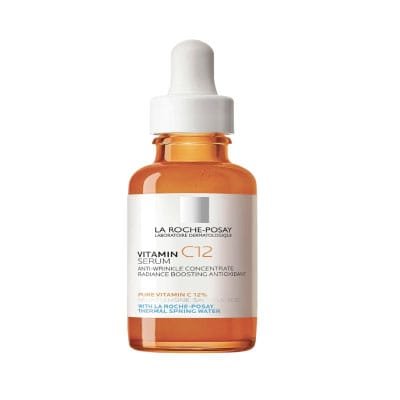
- Apply a brightening serum—vitamin C in the morning, niacinamide in the morning or night, or a gentle retinol at night
- Exfoliate 2–3 times a week with a mild AHA (like glycolic or lactic acid) to support cell turnover
- Never skip sunscreen—this is the single most important step, since unprotected UV exposure actively worsens and re-triggers dark spots
- Be patient and consistent—most visible improvement takes 8–12 weeks of regular use
How to Get Rid of Dark Spots Caused by Acne (Post-Acne Marks)
Dark marks left behind after a pimple heals (post-inflammatory hyperpigmentation) are extremely common and, encouragingly, tend to fade on their own over time even without treatment—though the right products can speed this up considerably. Niacinamide and vitamin C are both well-suited to this specific type of discoloration, since they help interrupt excess melanin production at the site of previous inflammation. Avoid picking or squeezing active breakouts, since this significantly increases the risk of deeper, longer-lasting dark marks. How to Get Rid of Dark Spots
How to Get Rid of Dark Spots on the Body (Legs, Arms, Back, Chest)
Body skin is generally thicker than facial skin and can often tolerate slightly stronger exfoliating formulas. For dark spots on the legs, arms, back, or chest: How to Get Rid of Dark Spots
Use a body wash or lotion containing glycolic acid or salicylic acid to support regular exfoliation
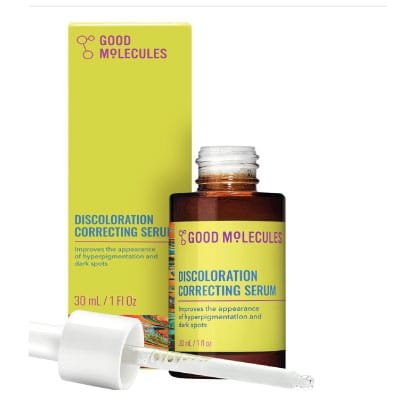
Apply a body-specific brightening lotion with niacinamide or vitamin C to affected areas
Always follow with SPF on any exposed skin, since sun-triggered spots on the body respond to protection just as much as facial ones do
How to Get Rid of Dark Spots on the Neck and Around the Mouth
Dark spots around the neck can stem from friction (like tight collars or jewelry), sun exposure, or in some cases, be a sign of acanthosis nigricans related to insulin resistance (more on this below). Spots around the mouth are frequently linked to hormonal pigmentation or irritation from lip or skincare products. In both cases, a gentle brightening routine paired with consistent SPF is the standard approach, though persistent, velvety, or rapidly spreading discoloration around the neck specifically warrants a conversation with a doctor.
How to Get Rid of Dark Spots on Hands and Knuckles
Hands are exposed to the sun constantly and often neglected in a skincare routine. A dedicated hand cream with niacinamide or a gentle acid, applied consistently alongside daily SPF, is typically effective over time. Since hand skin is thinner and more delicate than facial skin in some ways but also more calloused in others, starting with a lower-strength product and gradually increasing use helps avoid irritation. How to Get Rid of Dark Spots
How to Get Rid of Dark Spots on Knees and Elbows
Knees and elbows are prone to darkening due to friction, dead skin buildup, and sometimes dryness. Regular gentle exfoliation (a body scrub or a washcloth with a mild AHA-based wash) paired with a rich, brightening moisturizer tends to show gradual improvement. Since this skin is thicker and more resilient, slightly stronger exfoliating formulas are generally well-tolerated here compared to facial skin. How to Get Rid of Dark Spots
How to Get Rid of Dark Spots from Insect and Mosquito Bites
Dark marks left behind after mosquito or insect bites are a form of post-inflammatory hyperpigmentation, triggered by scratching and inflammation. The most important step is avoiding scratching the bite in the first place, since this significantly worsens the resulting mark. Once a dark spot has formed, a gentle brightening ingredient like niacinamide, combined with consistent SPF if the area is exposed to sun, will typically fade it over several weeks. For children and babies specifically, stick to gentle, fragrance-free formulas and consult a pediatrician before introducing any active ingredients. How to Get Rid of Dark Spots
How to Get Rid of Dark Spots from Ingrown Hairs and Shaving
Dark spots from ingrown hairs or shaving irritation are common in areas like the bikini line, underarms, and legs. To address both the cause and the resulting marks: How to Get Rid of Dark Spots
Exfoliate gently and regularly to prevent new ingrown hairs from forming
Use a sharp, clean razor and shave in the direction of hair growth to reduce irritation
Apply a soothing, alcohol-free aftershave or moisturizer immediately after shaving
Treat existing dark spots with a gentle brightening ingredient, being cautious with strong actives in sensitive areas like the bikini line or underarms: How to Get Rid of Dark Spots
How to Get Rid of Dark Spots in Sensitive or Private Areas
Dark spots in the underarms, groin, inner thighs, or bikini area are extremely common and typically caused by friction, shaving, or hormonal factors rather than anything concerning. Because skin in these areas is thinner and more sensitive, it’s especially important to avoid harsh exfoliants or high-strength actives. Gentle, fragrance-free brightening products—often those specifically formulated for sensitive or intimate skin—combined with reducing friction (looser clothing, gentler shaving or hair removal methods) tend to be the safest, most effective approach. How to Get Rid of Dark Spots
How to Get Rid of Dark Spots and Melasma
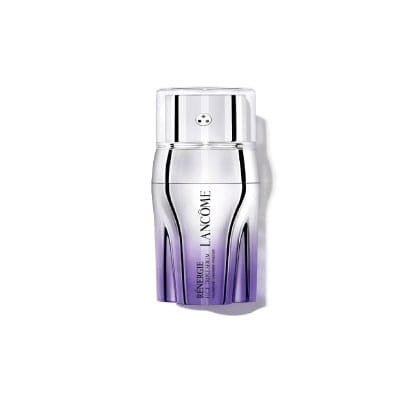
Melasma is a distinct, hormonally driven form of patchy pigmentation that behaves differently from typical sun spots or post-acne marks. It’s notoriously stubborn and prone to recurrence, especially with sun exposure or hormonal shifts like pregnancy or birth control use. Melasma generally responds best to a combination of azelaic acid or dermatologist-guided treatment, paired with strict, consistent, high-SPF sun protection—without diligent sun protection, melasma treatments typically don’t hold their results. How to Get Rid of Dark Spots
Natural and Home Remedies for Dark Spots
A number of natural ingredients are commonly searched for dark spot treatment. It’s worth being realistic about both their potential benefits and their limitations:
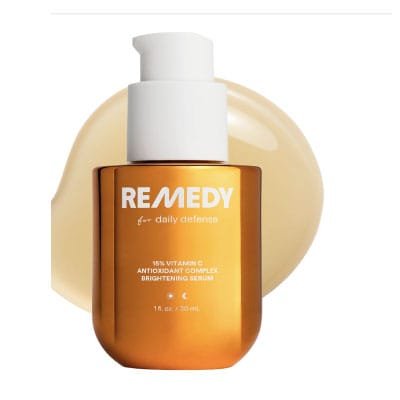
Vitamin C (from citrus or as a stabilized serum) has genuine, research-supported brightening properties, making it one of the more evidence-backed natural options.
Turmeric contains curcumin, which has some anti-inflammatory and mild brightening properties, though results tend to be subtle and gradual compared to formulated skincare actives.
Lemon juice is a frequently recommended home remedy, but it’s worth a caution here: Raw lemon juice is highly acidic and can cause irritation, and it also increases photosensitivity, meaning it can actually worsen dark spots if you’re exposed to the sun after application without protection. If used at all, it should be diluted, used sparingly, and always followed by strict sun avoidance and SPF.
Baking soda
is sometimes recommended as a gentle exfoliant, but its pH is significantly more alkaline than your skin’s natural pH, and it can disrupt the skin barrier with regular use—most dermatologists advise against combining it with lemon juice specifically, since the combination can be particularly irritating. How to Get Rid of Dark Spots
Castor oil is often used for its moisturizing properties, though scientific evidence for its dark-spot-fading ability specifically is limited; it’s generally considered low-risk but shouldn’t be relied on as a primary treatment.
Vaseline (petroleum jelly) doesn’t fade dark spots directly, but it can help support the skin barrier and lock in moisture, which may help skin look and feel healthier while other brightening ingredients do the active work.
Overall, natural remedies can be a reasonable complement to a routine, but for anyone seeking faster, more reliable, or more dramatic results, formulated skincare ingredients with clinical research behind them (like vitamin C, niacinamide, and retinoids) generally outperform raw kitchen ingredients.
Over-the-Counter Ingredients That Actually Work
If you want a more evidence-based approach, these ingredients have the strongest track record for treating dark spots:
Vitamin C—an antioxidant that inhibits melanin production and brightens tone
Niacinamide—gentle, versatile, reduces pigment transfer to the skin’s surface
Retinoids (retinol)—speed up cell turnover, fading existing spots and helping prevent new ones
Azelaic acid—a gentle option well-suited to sensitive skin and melasma
Alpha hydroxy acids (AHAs)—exfoliate the surface layer, gradually revealing less pigmented skin
Kojic acid—inhibits melanin production, often used for more stubborn spots
Hydroquinone—one of the most potent depigmenting ingredients, typically used short-term and ideally under dermatologist guidance given its strength
Using Dark Spot Treatments While on Accutane
If you’re currently taking Accutane (isotretinoin), your skin is likely more sensitive and prone to dryness and sun sensitivity than usual. Most dermatologists recommend avoiding additional strong actives like retinol, exfoliating acids, or hydroquinone while on Accutane and instead sticking to gentle, hydrating products alongside diligent SPF, saving more active dark-spot treatment for after your course is complete, under your dermatologist’s guidance.
When Dark Spots Might Signal Something Medical
While most dark spots are cosmetic and harmless, a few patterns are worth mentioning to a doctor rather than treating at home:
Dark, velvety, thickened patches on the neck, armpits, or groin can be a sign of acanthosis nigricans, which is often associated with insulin resistance or diabetes and warrants a medical evaluation rather than topical treatment alone
A spot that’s changing shape, size, or color, or that has irregular borders, should always be evaluated by a dermatologist to rule out anything beyond typical hyperpigmentation
Spots that appear suddenly and spread rapidly without an obvious cause (like a new bite, breakout, or injury) are also worth having checked
Prevention: Stopping New Dark Spots Before They Start
Treating existing dark spots is only half the equation—preventing new ones is just as important, especially since many people find they treat one spot only to see new ones appear:
Wear sunscreen daily, even on cloudy days or when mostly indoors, since UV exposure is the single biggest trigger for new and worsening pigmentation
Avoid picking at acne, bites, or scabs, since this is one of the most common (and most avoidable) causes of post-inflammatory dark spots
Reduce friction where possible—looser clothing, gentler shaving techniques, and moisturizing chafe-prone areas
Treat inflammation early, whether that’s a breakout, an ingrown hair, or irritation, rather than letting it linger and increase the risk of a lasting mark
How can I get rid of dark spots fast?
While complete removal doesn’t happen overnight, the fastest realistic approach combines a vitamin C or niacinamide serum, gentle regular exfoliation, and strict daily SPF—some visible improvement is possible within 1–2 weeks, with more complete fading over 8–12 weeks.
Can dark spots be removed permanently?
Existing spots can fade substantially or become barely noticeable with consistent treatment, but since new spots can form from future sun exposure, inflammation, or irritation, ongoing prevention (especially sunscreen) is what keeps results looking “permanent.”
What’s the best natural remedy for dark spots?
Vitamin C has the strongest evidence behind it among natural-leaning options. Be cautious with raw lemon juice and baking soda, since both can irritate skin and, in lemon’s case, increase sun sensitivity if not paired with diligent SPF.
How do I get rid of dark spots caused by pimples?
Avoid picking at active breakouts, and use a consistent niacinamide or vitamin C serum alongside gentle exfoliation to speed up the natural fading process, which often happens gradually on its own even without treatment.
Are dark spots from mosquito bites permanent?
No, they typically fade on their own over time, though avoiding scratching and using a gentle brightening ingredient can speed up the process considerably.
How do I get rid of dark spots in sensitive areas like the bikini line or underarms?
Use gentle, fragrance-free brightening products formulated for sensitive skin, reduce friction and irritation from shaving or tight clothing, and avoid strong actives that could cause additional irritation in these more delicate areas.
Could my dark spots be a sign of a medical condition?
Most dark spots are harmless and cosmetic, but dark, velvety, thickened patches on the neck, armpits, or groin can be associated with insulin resistance and should be evaluated by a doctor rather than treated with over-the-counter products alone.
What ingredient works fastest for dark spots?
Hydroquinone and retinoids tend to show results fastest among common options, though both can cause irritation and should generally be introduced gradually, ideally with guidance from a dermatologist for stronger formulations.
Can I use dark spot treatments while pregnant or breastfeeding?
Many common actives, including retinoids and hydroquinone, are typically avoided during pregnancy and breastfeeding. Vitamin C, niacinamide, and azelaic acid are generally considered safer alternatives, but you should confirm with your doctor before starting anything new.
Do dark spots go away on their own without treatment?
Some do, particularly mild post-inflammatory marks from minor breakouts or bites, but this can take months. Treatment generally speeds up and improves the consistency of fading compared to waiting it out entirely.
Final Thoughts
There’s no single overnight fix for dark spots, regardless of where they appear on your body or what caused them—but there is a reliable, well-supported path to fading them: consistent use of proven brightening ingredients, regular gentle exfoliation, and diligent daily sun protection. Whether you’re dealing with post-acne marks on your face, dark spots from shaving on your bikini line, or sun damage on your hands, the underlying principles stay largely the same, even as the specific products and areas of sensitivity shift.
Be patient with the process, resist the urge to pick at healing skin, and remember that preventing new spots (mainly through sunscreen and avoiding unnecessary irritation) matters just as much as treating existing ones. If you notice unusual, rapidly changing, or velvety, thickened dark patches—especially around the neck, armpits, or groin—it’s worth having a doctor take a look, since these particular patterns can sometimes point to something beyond typical cosmetic hyperpigmentation.