
If you’ve read the ingredient label on virtually any moisturizer in the past few years, you’ve almost certainly seen “ceramides” listed somewhere near the top. They’ve gone from a niche dermatology term to one of the most talked-about ingredients in skincare—but what are ceramides actually doing for your skin, and are they worth prioritizing in your routine? This guide breaks down exactly what ceramides are, how they work, where they show up, and how to actually use them effectively. What Are Ceramides
What Are Ceramides?
Ceramides are a type of lipid (fat molecule) that naturally occurs in the outermost layer of your skin, known as the stratum corneum. Structurally, ceramides belong to a broader category of lipids called sphingolipids, and they make up a significant portion—often cited as around 50%—of the lipids found in your skin’s protective outer barrier.
Think of your skin’s outer layer like a brick wall: skin cells act as the bricks, and lipids like ceramides, cholesterol, and fatty acids act as the mortar holding everything together. This “mortar” is what keeps moisture locked in and irritants, allergens, and pollutants locked out. Without enough ceramides, that wall develops gaps, and your skin barrier becomes compromised—leading to dryness, sensitivity, and a higher risk of irritation. What Are Ceramides
What Do Ceramides Do for the Skin?
Ceramides serve several interconnected functions, all centered around barrier health:
- They seal in moisture. By filling the spaces between skin cells, ceramides help prevent water from evaporating out of the skin, a process called transepidermal water loss.
- They protect against irritants. A strong lipid barrier is your skin’s first line of defense against environmental stressors, allergens, and bacteria.
- They support skin’s natural repair process. Skin with adequate ceramide levels tends to recover more quickly from minor damage, irritation, or environmental stress.
- They help regulate skin cell turnover. Ceramides play a role in the signaling processes that keep skin cells shedding and regenerating at a healthy rate. What Are Ceramides
When ceramide levels are depleted—whether from aging, harsh skincare products, environmental damage, or certain skin conditions—the skin barrier weakens, and dryness, redness, and sensitivity often follow. What Are Ceramides
The Science Behind the “Brick and Mortar” Model
Dermatologists frequently use the “brick and mortar” analogy to explain how the skin barrier works, and it’s worth understanding in a bit more depth, since it explains why ceramides specifically (rather than just any moisturizing ingredient) matter so much. What Are Ceramides
The “bricks” in this model are corneocytes—flattened, dead skin cells that make up the outermost visible layer of skin. On their own, these cells wouldn’t hold together or retain moisture effectively. The “mortar” surrounding them is a mixture of lipids, and ceramides make up roughly half of that mortar, with cholesterol and free fatty acids making up most of the rest, generally in an approximate ratio of 3:1: 1. What Are Ceramides
This specific ratio matters more than it might seem. Research has shown that skin barrier function isn’t just about having “enough” of each lipid individually—the balance between them affects how well the barrier holds together and functions. This is part of why well-formulated ceramide products often include this same 3:1:1 ratio (ceramides, cholesterol, fatty acids) rather than ceramides alone, since replicating the skin’s natural lipid balance tends to produce better barrier-repair results than an isolated ingredient would.
Common Myths About Ceramides
What Are Ceramides? A few misconceptions about ceramides are worth clearing up:
Myth: More ceramides is always better. In reality, an imbalanced ratio of ceramides to other lipids (cholesterol and fatty acids) can be less effective than a smaller amount formulated in the correct proportion. Concentration alone doesn’t tell the whole story.
Myth: Ceramides work instantly. Like most barrier-repair ingredients, ceramides work cumulatively over time as they help restore your skin’s natural lipid balance—visible improvement typically takes weeks of consistent use, not days.
Myth: Only “ceramide” on the label counts. Ingredient lists often use more specific or scientific names (like Ceramide NP, Phytosphingosine, or Sphingolipids) rather than the general term “ceramide,” so a product can be ceramide-rich without prominently marketing itself that way. What Are Ceramides
Myth: Ceramides are only for dry skin. While dry skin sees the most obvious benefit, every skin type has a lipid barrier that benefits from support—oily, acne-prone, and combination skin all rely on the same brick-and-mortar structure and can become compromised just as easily through over-cleansing, over-exfoliating, or harsh active ingredient use. What Are Ceramides
Myth: Natural (plant-derived) ceramides are automatically superior to synthetic ones. As discussed earlier, biomimetic (lab-created) ceramides are specifically engineered to match your skin’s natural structure, and there’s no strong evidence that plant-derived ceramides outperform them—the “natural” label doesn’t inherently indicate better efficacy. What Are Ceramides
Signs Your Skin Barrier May Need More Ceramide Support
A few common signs suggest your skin barrier could benefit from added ceramide support:
Persistent dryness or flakiness, even after moisturizing
Increased sensitivity or stinging when using products that didn’t previously bother your skin
A tight, uncomfortable feeling after cleansing
Redness or a rough, uneven texture that doesn’t resolve with typical hydration
Skin that reacts more easily to weather changes, wind, or cold air than it used to
If several of these sound familiar, it’s often a sign that your current routine may be stripping ceramides faster than your skin can naturally replace them—a common outcome of over-exfoliation, harsh cleansers, or introducing too many strong active ingredients at once. What Are Ceramides
Are Ceramides Natural?
Yes—ceramides are naturally occurring compounds found in your skin (and in every mammal’s skin), not synthetic additives. The ceramides found in skincare products are typically either derived from natural sources (like plant extracts) or created synthetically to closely mimic the exact structure of the ceramides your skin already produces. Both approaches aim to replicate what your skin naturally makes, rather than introducing something foreign to it. What Are Ceramides
Why Do Ceramide Levels Decline?
Several factors contribute to lower ceramide levels over time:
Aging—natural ceramide production tends to decrease as skin matures, which is part of why dryness becomes more common with age
UV exposure—sun damage can degrade the skin’s natural lipid barrier over time
Harsh cleansers and over-exfoliation—sulfates, strong acids, and excessive scrubbing can strip ceramides faster than skin can replenish them
Certain skin conditions—eczema (atopic dermatitis) and psoriasis—are both associated with reduced ceramide levels in the skin barrier
Dry or cold climates—low humidity accelerates moisture loss, placing extra demand on an already-thin lipid barrier
Harsh weather and environmental pollution—both can contribute to a weakened, more reactive skin barrier over time
What Are Ceramides Good for in Skincare?
Ceramides are especially beneficial for: What Are Ceramides
Dry skin—replenishing lipids that may be lacking, helping to restore comfort and reduce flakiness
Sensitive or reactive skin—supporting a stronger barrier means fewer triggers get through to cause irritation
Eczema-prone skin—since eczema is closely linked to a compromised skin barrier and ceramide deficiency, ceramide-rich moisturizers are frequently recommended alongside other eczema management strategies
Aging skin—supporting the skin barrier can help reduce the appearance of fine lines associated with dehydration and may support overall skin resilience
Skin recovering from harsh actives—anyone using retinoids, exfoliating acids, or other potentially drying treatments often benefits from ceramide support to offset barrier disruption
Post-procedure or compromised skin—skin recovering from professional treatments often benefits from the extra support ceramides provide during the healing process
What Ceramides Are Commonly Used in Skincare?
Not all ceramides are the same—skincare formulas typically use specific types identified by scientific names or numbered classifications. Some of the most common include: What Are Ceramides
Ceramide NP (also known as Ceramide 3)—one of the most frequently used forms in skincare formulations
Ceramide AP (Ceramide 6-II)—often paired with Ceramide NP for a more complete barrier-supporting effect
Ceramide EOP (Ceramide 1)—plays a structural role in organizing the skin’s lipid layers
Phytoceramides—plant-derived ceramides, often sourced from wheat, rice, or sweet potato, marketed as a “natural” or vegan alternative to synthetically produced ceramides
Biomimetic ceramides—lab-created ceramides engineered to closely match the exact molecular structure of those found naturally in human skin, often considered highly effective due to how closely they mimic native skin lipids
What Ceramides Are in CeraVe Products?
Given how closely CeraVe’s brand identity is tied to ceramides, it’s a common and fair question. CeraVe’s core moisturizing formulas—including the Moisturizing Cream, Moisturizing Lotion, and Hydrating Facial Cleanser—are built around a combination of three essential ceramides: Ceramide 1 (EOP), Ceramide 3 (NP), and Ceramide 6-II (AP). This specific trio was selected to closely mirror the natural ratio of ceramides found in healthy human skin, which is part of why the brand has become so strongly associated with barrier-repair skincare. What Are Ceramides
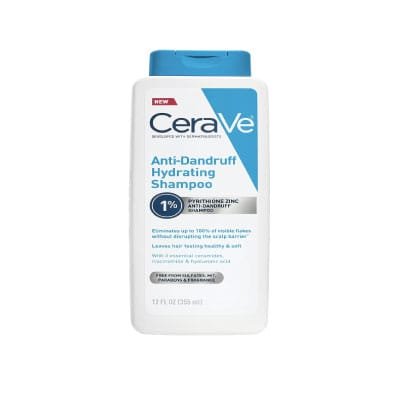
Ceramides vs. Peptides: What’s the Difference?
These two ingredients are often mentioned together, but they serve different purposes. Ceramides are lipids that physically reinforce your skin’s moisture barrier, while peptides are short chains of amino acids that act as signaling molecules, telling skin cells to perform specific functions—like producing more collagen. In simple terms: ceramides protect and hydrate the barrier, while peptides send messages that can support firmness, elasticity, and other structural benefits. What Are Ceramides
Neither ingredient replaces the other, and they’re frequently used together in the same formula, since a compromised barrier can actually reduce how effectively other active ingredients—including peptides—are able to work. Repairing the barrier with ceramides first, or alongside, often makes other treatment ingredients more effective overall. What Are Ceramides
Ceramides and Niacinamide
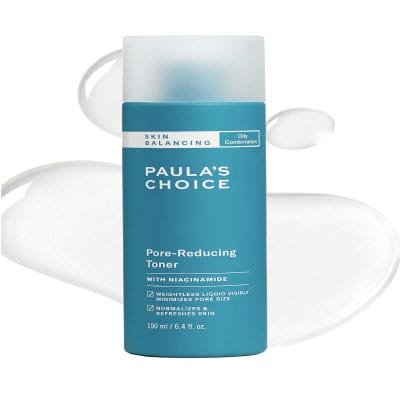
Ceramides and niacinamide are another commonly paired combination. Niacinamide doesn’t just sit on the skin’s surface—research suggests it can actually help stimulate the skin’s own natural ceramide synthesis, meaning the two ingredients can work complementary roles: niacinamide supports your skin’s internal ceramide production, while topical ceramides directly replenish what’s already been lost.
Ceramides and Hyaluronic Acid
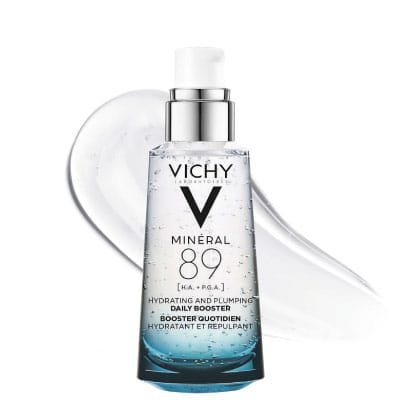
This is one of the most common ceramide pairings in modern moisturizers, and it works well because the two ingredients handle different jobs. Hyaluronic acid is a humectant—it draws moisture to the skin’s surface. Ceramides are occlusive-adjacent lipids—they help seal that moisture in and prevent it from evaporating. Used together, hyaluronic acid pulls hydration in, and ceramides help lock it there, which is part of why this combination shows up so frequently in barrier-focused formulas.
Do Ceramides Work for Hair?
Ceramides aren’t just for skin—they’re also naturally present in hair, specifically within the cuticle (the hair’s outer protective layer). In hair care, ceramides are primarily responsible for helping to smooth the cuticle, reduce frizz, and protect hair from damage caused by heat styling, chemical treatments, and environmental stress. Hair that’s been color-treated, heat-styled, or chemically processed often loses natural ceramides over time, which is why they’ve become a common addition to conditioners, hair masks, and leave-in treatments aimed at repairing damaged or dry hair. What Are Ceramides
Are There Foods High in Ceramides?
Yes—while topical application is the most direct way to support your skin barrier, ceramides (or their precursors) are also found in certain foods, and some research has explored their potential benefits when consumed. Foods often cited as naturally containing ceramides or related sphingolipids include: What Are Ceramides
Wheat and rice (used to derive phytoceramides in supplements)
Soybeans: What Are Ceramides?
Dairy products
Eggs
Sweet potatoes
Oral ceramide supplements have also grown in popularity, though the research on their effectiveness compared to topical application is still developing, and most dermatologists consider topical ceramide products the more directly evidence-supported approach for improving skin barrier function specifically.
Are Ceramides Safe? Any Side Effects?
What Are Ceramides? Ceramides are generally considered very safe and well-tolerated, since they’re structurally identical (or very similar) to compounds your skin already produces naturally. Unlike many active ingredients, they don’t typically cause irritation, purging, or increased sun sensitivity. Side effects are rare, though as with any skincare ingredient, individual reactions can vary—patch-testing a new product is always a reasonable precaution, particularly if you have known sensitivities to other ingredients commonly formulated alongside ceramides (like specific preservatives or fragrance). What Are Ceramides
Products That Commonly Contain Ceramides
Ceramides show up across a wide range of product categories, not just moisturizers: What Are Ceramides
Face moisturizers and creams—the most common category, often the primary vehicle for ceramide delivery
Facial cleansers—gentle, non-foaming cleansers increasingly include ceramides to offset the barrier-stripping effect of cleansing itself
Serums—concentrated ceramide serums are used as a targeted treatment layer, often before a regular moisturizer
Sunscreens—some mineral and chemical sunscreens now include ceramides to help offset the potential drying effect of daily SPF use
Lip balms—since lips lack oil glands and are prone to dryness, ceramide-infused lip balms are increasingly common
Body lotions—particularly formulas marketed for very dry or eczema-prone skin
Shampoos and conditioners—for hair-specific barrier and cuticle support
Face washes—similar to facial cleansers, aimed at minimizing barrier disruption during the cleansing step itself
How to Read Ceramides on an Ingredient Label
Ceramides can appear under a few different names on ingredient lists, which can make them tricky to spot at a glance: What Are Ceramides
Ceramide NP, AP, EOP, NG, NS (specific named types)
Ceramide 1, 2, 3, 6-II (numbered classifications)
Phytosphingosine (a ceramide precursor)
Sphingolipids (the broader lipid family ceramides belong to)
If a product specifically markets itself around “3 essential ceramides” or similar language, it’s typically referring to the same trio (Ceramide 1, 3, and 6-II) that’s become an industry standard for barrier-repair formulations. What Are Ceramides
How to Incorporate Ceramides Into Your Routine
Because ceramides are so well-tolerated, there’s very little risk in incorporating them into your routine, and they can be layered with almost any other active ingredient. A few practical tips: What Are Ceramides
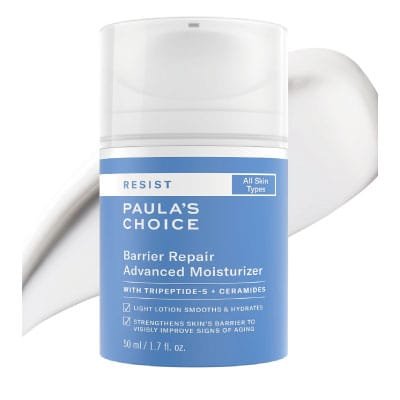
Look for ceramides in your daily moisturizer as the simplest, most consistent way to support your barrier
Pair with actives that can be drying, like retinoids or exfoliating acids, to help offset potential irritation
Consider a dedicated ceramide serum if your skin is particularly dry, sensitive, or barrier-compromised, applying it before your regular moisturizer
Don’t skip ceramides even if you have oily skin—oily skin can still have a compromised barrier, and lightweight, oil-free ceramide formulas exist specifically for this skin type
Be patient—barrier repair is a gradual process, and consistent use over several weeks is typically needed to see meaningful improvement in comfort, texture, and resilience
Frequently Asked
What are ceramides in simple terms? Ceramides are natural fats found in your skin that help hold skin cells together and prevent moisture from escaping, functioning like the “mortar” between the “bricks” of your skin’s outer layer.
Are ceramides good for all skin types? Yes—while they’re especially beneficial for dry, sensitive, and eczema-prone skin, even oily skin needs a healthy barrier, and lightweight ceramide formulas exist that won’t feel heavy on oilier skin types.
Are ceramides the same as peptides? No. Ceramides are lipids that physically support the skin barrier, while peptides are amino acid chains that signal skin cells to perform specific functions, like supporting collagen production. They’re often used together but serve different roles.
Can ceramides help with eczema? Yes—since eczema is closely associated with a compromised, ceramide-deficient skin barrier, ceramide-rich moisturizers are commonly recommended by dermatologists as a supportive part of eczema management, alongside any prescribed treatment.
Do ceramides cause breakouts? Generally, no. Ceramides are non-comedogenic and well-tolerated, and most formulas designed with acne-prone skin in mind use lightweight, oil-free ceramide-containing bases specifically to avoid clogging pores.
What’s the difference between natural and synthetic ceramides in skincare? Natural (or plant-derived) ceramides, often called phytoceramides, come from sources like wheat or rice. Synthetic or biomimetic ceramides are lab-created to closely match the exact structure of the ceramides your skin naturally produces. Both types are generally considered effective, and the “natural vs. synthetic” distinction doesn’t necessarily indicate which performs better.
Can I use ceramides with retinol? Yes, and it’s actually a commonly recommended pairing. Retinol can be drying, and ceramides help support and repair the barrier, making the combination gentler on skin than using retinol alone.
Do ceramides help with anti-aging? Indirectly, yes. While ceramides aren’t a collagen-boosting or wrinkle-specific treatment ingredient, a strong, well-hydrated skin barrier tends to look plumper and smoother, and ceramide levels naturally decline with age—so replenishing them can help support a more resilient, comfortable complexion over time.
Are ceramides in hair products different from skin ceramides? The core ceramide compounds are similar, but hair-specific formulas are designed to target the hair cuticle rather than the skin barrier, helping to smooth hair strands, reduce frizz, and protect against heat and chemical damage.
How long does it take to see results from ceramide use? Most people notice improved comfort and reduced dryness within a few weeks of consistent use, though full barrier repair—especially if it was significantly compromised—can take longer, sometimes a month or more of regular, consistent application.
Are there any downsides to using ceramides? Very few. They’re one of the gentlest, most broadly well-tolerated skincare ingredients available, with minimal risk of irritation for most skin types, making them a low-risk addition to nearly any routine. What Are Ceramides
Final Thoughts
Ceramides aren’t a trendy, gimmicky skincare ingredient—they’re a foundational part of how your skin naturally protects and hydrates itself, which is exactly why they’ve become such a consistent recommendation across dermatology and skincare formulation alike. Whether you’re dealing with persistent dryness, a reactive skin barrier, eczema, or simply want to support your skin as it ages, ceramides offer a gentle, well-tolerated way to reinforce what your skin is already trying to do on its own.
If you’re building or refining a routine, look for ceramides in your daily moisturizer as a simple, low-risk starting point, and consider a dedicated ceramide serum if your skin needs more targeted barrier support. Paired with other well-studied ingredients like niacinamide, hyaluronic acid, or peptides, ceramides tend to work quietly in the background—not delivering a dramatic overnight transformation, but consistently supporting the kind of long-term skin health that makes every other product in your routine work better.