
If you’ve ever stood in front of your bathroom mirror holding five different bottles and wondered which one goes on first, you’re far from alone. Getting the skin care routine order right isn’t just a matter of habit; applying products in the wrong sequence can actually reduce how well they work or, in some cases, cause irritation that wouldn’t happen otherwise. what order for skin care
This guide breaks down the correct order for both your morning and evening routines, explains the reasoning behind each step, and answers the most common questions people have about building an effective, well-sequenced skin care routine. what order for skin care
Key Takeaways: What order for skin care
Skin care products should generally be applied from thinnest to thickest consistency, so lighter formulas can absorb before heavier ones seal them in. what order for skin care
Morning routines prioritize protection—cleansing, antioxidants, and sunscreen are the non-negotiables.
Night routines prioritize repair and treatment—this is when exfoliants, acids, and retinoids typically do their best work.
Not every step is necessary every day. A basic, consistent routine will always outperform an elaborate one you don’t stick with.
If you’re using retinol or other active ingredients, sequencing matters even more, since applying them at the wrong point in your routine can increase irritation. what order for skin care
What’s the best order for a skin care routine?
The general rule dermatologists recommend is to apply products from the thinnest, most watery texture to the thickest, most occlusive one. This matters because heavier products (like face oils, thick creams, and sunscreen) can form a barrier on the skin’s surface. If applied too early, that barrier blocks thinner serums and treatments from actually penetrating and doing their job.what order for skin care
A helpful way to think about it: cleanse, treat, hydrate, protect (or seal). Cleansing removes the day’s buildup or prepares your skin for the products that follow. Treatment steps—serums, spot treatments, and acids—address specific concerns. Hydration locks moisture in. And the final step, whether that’s sunscreen in the morning or a night cream in the evening, seals everything underneath and protects or nourishes skin while you go about your day or sleep.
There are some exceptions and personal variations, especially depending on product texture and your specific skin concerns, but this general order for skin care works as a reliable framework for most routines. what order for skin care
What skin care should I use in the morning?
Your morning routine has one main job: protect your skin from the day ahead. UV exposure, pollution, and general environmental stress all take a toll, so the morning order for skin care is built around defense, with a lighter emphasis on active treatment compared to your evening routine.
Basic morning skin care routine
For most people, a full morning routine doesn’t need every single step listed below — many people skip several depending on their skin type and how much time they have. Here’s the complete, ideal order, broken down step by step, with notes on which steps are optional for most routines.
Step 1: Oil-based cleanser: what order for skin care
If you wore heavy sunscreen or overnight treatments, an oil-based cleanser (or micellar water) can help remove any residue that built up while you slept. Many people skip this step in the morning since skin isn’t usually covered in makeup at this point—it’s most relevant if your skin tends to be oily overnight or you used rich night products. what order for skin care
Step 2: Water-based cleanser
A gentle, water-based cleanser (or in some cases, just a splash of lukewarm water) removes the oil, sweat, and residue your skin naturally produces overnight. This step preps skin for everything that follows and ensures your serums can actually absorb rather than sitting on top of leftover overnight buildup. what order for skin care
Step 3: Toner or astringent: what order for skin care
A toner helps rebalance your skin’s pH after cleansing and can add a light layer of hydration before your treatment steps. Astringents, which are typically stronger and can have a drying effect, are generally reserved for oilier skin types dealing with excess shine.
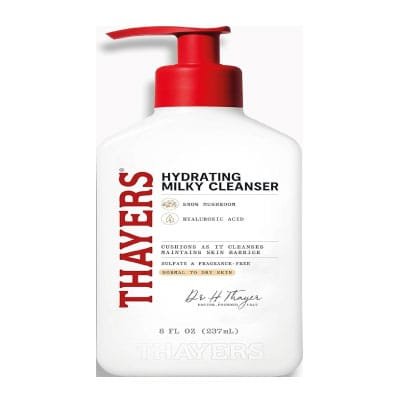
Step 4: Antioxidant serum: what order for skincare?
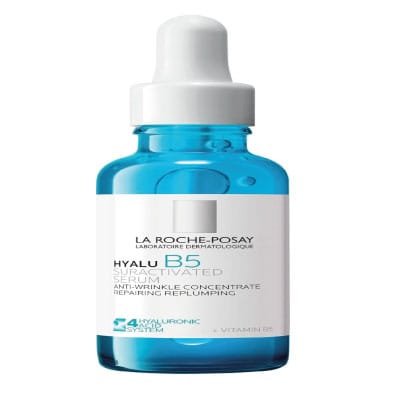
This is one of the most important active steps in a morning routine. A vitamin C serum, or another antioxidant-rich formula, helps neutralize free radical damage from UV rays and pollution throughout the day, while also supporting a brighter, more even tone over time. what order for skin care
Step 5: Spot treatment. what order for skin care
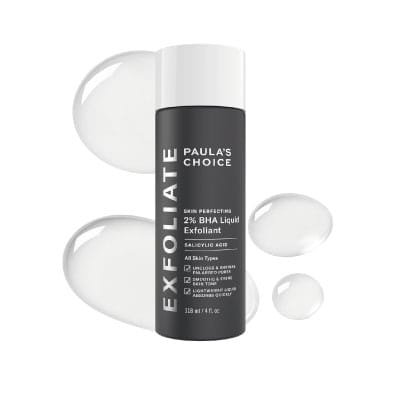
If you’re managing an active breakout, apply a targeted spot treatment (like a salicylic acid or benzoyl peroxide gel) directly to the area after your serum but before broader moisturizing steps, so it can work specifically where it’s needed without being diluted across your whole face. what order for skin care
Step 6: Eye cream: What is the order for skin care
Gently pat a small amount of eye cream around the orbital bone, using your ring finger for the lightest natural pressure. This step is optional and mostly relevant if you’re targeting specific concerns like puffiness, dark circles, or fine lines. what order for skin care
Step 7: Lighter face oil: what order for skin care
For those who use facial oils, a lightweight oil can go on before your moisturizer if your skin needs an extra hydration boost, particularly in dry climates or colder months. This step is optional for most routines and often skipped entirely for oilier skin types. what order for skin care
Step 8: Moisturizer: What is the order for skin care
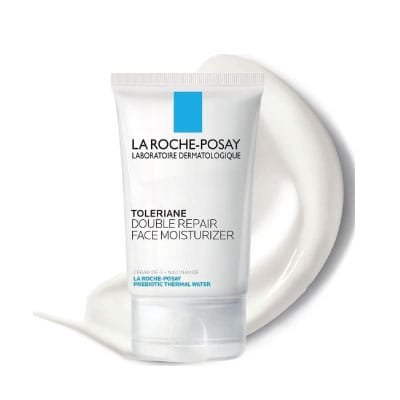
Moisturizer seals in everything applied beneath it and supports your skin barrier throughout the day. Oilier skin types typically do best with a lightweight, gel-based formula, while drier skin benefits from a richer cream. what order for skin care
Step 9: Heavier face oil
If your skin is extremely dry, a heavier facial oil can be layered on top of your moisturizer for additional sealing power, though this step isn’t necessary for most skin types and is more common in very dry or cold climates. what order for skin care
Step 10: Sunscreen
This is the single most important step of any morning routine, and it should never be skipped. A broad-spectrum SPF 30 or higher protects against both UVA (associated with aging) and UVB (associated with burning) rays. Apply it generously as close to the last step as possible, allowing it a minute or two to set before makeup. what order for skin care
Step 11: Foundation or other base makeup
If you wear makeup, this is the final layer, applied once your sunscreen has had time to absorb. Waiting a few minutes between sunscreen and foundation helps prevent pilling and gives you a smoother application. what order for skin care
What skin care should I use at night?
While your morning routine focuses on protection, your evening routine is centered on repair and treatment. Skin’s natural cell turnover and recovery processes are most active overnight, which is exactly why stronger active ingredients—retinol, exfoliating acids, and treatment serums—are typically recommended for nighttime rather than daytime use.
Basic evening skin care routine: what order for skin care
Similar to the morning routine, not every step below is necessary every night. Many of these steps (exfoliation, acid treatments, and masks) are used a few times a week rather than daily, since overusing active ingredients can damage your skin’s barrier.
Step 1: Oil-based makeup remover
If you wore makeup or sunscreen during the day, start with an oil-based cleanser or makeup remover to fully dissolve these products before your regular cleanser. This is often called the first step of “double cleansing,” and it’s especially important for anyone wearing waterproof or long-wear makeup. what order for skin care
Step 2: Water-based cleanser
Follow with your regular water-based cleanser to remove any remaining residue, sweat, and the day’s environmental buildup, leaving skin fully clean and ready for treatment steps. what order for skin care
Step 3: Exfoliator or clay mask
A chemical exfoliant (AHA or BHA) or a clay mask can be used a few times per week, not nightly, to remove dead skin cells and help with texture, clogged pores, or dullness. This step should be skipped on nights you’re also using a strong acid treatment or retinol to avoid over-exfoliating. what order for skin care
Step 4: Hydrating mist or toner
A hydrating toner or facial mist preps skin and adds a layer of moisture before your treatment serums, helping active ingredients absorb more evenly afterward.
Step 5: Acid treatment: what order for skin care
If you’re using a leave-on exfoliating acid (like glycolic or lactic acid) as a treatment rather than a rinse-off exfoliant, this is where it goes—applied to clean, dry skin, generally a few nights a week rather than every night. what order for skin care
Step 6: Serums and essences
This step covers most of your targeted treatment products — niacinamide, hyaluronic acid, peptides, or retinol, depending on your specific skin concerns. If you’re using retinol, apply it to fully dry skin to help reduce the risk of irritation.
Step 7: Spot treatment
Just like in the morning routine, apply any targeted spot treatments for active breakouts after your broader serums but before your moisturizer, so the treatment stays concentrated on the area it’s meant to address. what order for skin care
Step 8: Hydrating serum or mask
A hyaluronic acid serum or a hydrating sheet mask can be layered in here for an extra moisture boost, particularly useful after using drying actives like retinol or exfoliating acids earlier in the routine. what order for skin care
Step 9: Eye cream
Pat a small amount of eye cream gently around the eye area, using your ring finger to apply the lightest pressure to this especially delicate skin.
Step 10: Face oil: what order for skin care
A facial oil can be applied toward the end of your routine to help seal in hydration, particularly beneficial for dry skin or during colder months when skin tends to lose moisture more quickly overnight.
Step 11: Night cream or sleep mask
The final step is typically a richer night cream or an overnight sleep mask, which seals in everything applied beneath it and supports your skin’s natural repair processes while you sleep. Night creams tend to be thicker and more emollient than daytime moisturizers, since there’s no concern about wearing makeup over them. what order for skin care
Why the Order of Application Actually Matters
It’s worth understanding the reasoning behind this sequencing, rather than just memorizing a list, since it makes it much easier to adapt your own routine if you add or remove products over time. what order for skin care
Absorption depends on molecular size and product texture. Thinner, water-based products (like serums) have smaller molecules that are designed to absorb quickly into skin. Thicker, oil-based products (like face oils and rich creams) sit more on the surface, forming a protective layer. If you apply a heavy product first, it can physically block thinner products from penetrating afterward, essentially wasting the benefit of your more expensive, more targeted serums. what order for skin care
Some ingredients are more effective when layered strategically. For example, applying a hydrating serum to slightly damp skin, then sealing it with a moisturizer, helps that hydration actually stay in the skin rather than evaporating—a technique sometimes informally called “moisture sandwiching.” what order for skin care
Certain combinations can cause irritation if layered incorrectly. Strong acids and retinol, for instance, are generally not applied at the exact same time, since combining two potent actives increases the risk of redness, peeling, or a compromised skin barrier. Sequencing them on different nights, or using a buffer moisturizer between them, helps reduce this risk.
Skin Care Order With Specific Ingredients
What order for skin care with retinol?
Retinol should generally be applied after cleansing and toning but before your moisturizer, directly to dry skin. Many people find that applying a light layer of moisturizer both before and after retinol—a technique sometimes called “sandwiching”—helps reduce irritation while still allowing the retinol to work.
What order for skin care with exfoliating acids?
Leave-on acid treatments (like glycolic or salicylic acid) are typically applied after cleansing, on clean, dry skin, before your other serums. If you’re using a rinse-off exfoliant instead, that happens earlier, right after cleansing, followed by your regular toner and serum steps.
What order for skincare with vitamin C?
Vitamin C is best applied in the morning after cleansing, as one of the first treatment steps, so its antioxidant benefits are in place before you’re exposed to the day’s UV rays and environmental stress.
What order for skin care with sunscreen?
Sunscreen should always be the very last step of your morning skin care routine, applied after moisturizer but before makeup. Applying it too early in your routine, underneath other products, can prevent it from forming an effective, even protective layer.
Skin Care and Makeup Order
If you wear makeup, the general order for skin care and makeup is to complete your full skin care routine (ending with sunscreen), wait a few minutes for everything to fully absorb, then apply primer if you use one, followed by foundation or other base makeup, and finally the rest of your makeup routine. Rushing this transition—applying makeup before your skin care has had time to set—is one of the most common reasons people experience pilling or a patchy, uneven makeup finish.
Order for Skin Care by Specific Skin Type
While the general framework (thinnest to thickest, cleanse-treat-hydrate-protect) applies to everyone, a few adjustments are worth making based on your specific skin type:
Oily skin often benefits from skipping heavier oils altogether and using lightweight, gel-based serums and moisturizers throughout the routine, keeping the overall product texture on the lighter end from start to finish.
Dry skin benefits from more layering of hydrating steps — toner, hydrating serum, richer moisturizer, and often a facial oil as the final sealing step — to prevent moisture loss throughout the day or night.
Combination skin can apply lighter products across the whole face, then add a slightly richer moisturizer only to the drier areas, rather than needing two completely separate routines.
Sensitive skin benefits most from a simplified order with fewer total steps, introducing new products one at a time so it’s easier to identify what, if anything, causes irritation.
Skin Care Routine Order for Beginners
If you’re just starting out and the full 11-step order feels overwhelming, it’s completely fine to begin with a simplified version and build from there:
Morning: Cleanser (or water) → moisturizer → sunscreen Evening: Cleanser → moisturizer
Once this basic structure feels like second nature, you can gradually introduce a treatment serum, then an exfoliant a few times a week, then additional targeted products as needed. Building a routine step by step, rather than trying to adopt an eleven-step process all at once, tends to lead to better long-term consistency — which ultimately matters more for skin health than following every single step perfectly from day one.
Common Skin Care Ordering Mistakes
Even with the right products, a few common sequencing errors can quietly undermine your routine:
Applying sunscreen before moisturizer. This is one of the most frequent mistakes — sunscreen should almost always go on last (or second-to-last, before makeup), since applying it too early can prevent your other products from absorbing properly and may reduce the sunscreen’s own effectiveness if other products are layered on top of it.
Putting serum on top of moisturizer. Serums are formulated to penetrate into skin, so applying moisturizer first can block absorption. Always apply lighter treatment serums before your moisturizer, not after.
Skipping the “wait time” between actives. Layering a strong acid immediately after retinol, without any buffer time or product in between, significantly raises the risk of irritation. Waiting several minutes, or using a light moisturizer as a buffer, helps reduce this.
Using toner as the very last step. Toner is a prep step, not a finishing one—it should always come early in the routine, right after cleansing, not layered on top of moisturizer or oil.
Forgetting that oil-based products go last (with the exception of sunscreen). Face oils, if used, generally go after your water-based serums and moisturizer, since oil can otherwise block those lighter products from absorbing.
Adjusting Your Routine Order by Season
The core sequence—cleanse, treat, hydrate, and protect—stays the same year-round, but a few adjustments based on season can help your routine perform better:
In summer, many people lighten their routine, skipping heavier face oils and richer creams in favor of lightweight gel moisturizers, while keeping sunscreen application just as consistent (or even more frequent, with reapplication throughout the day).
In winter, richer moisturizers and an added facial oil step become more useful, since indoor heating and cold, dry air outside can both increase moisture loss. Some people also reduce the frequency of exfoliating acids slightly during winter months, since skin can become more prone to dryness and sensitivity in colder weather.
What routine should I follow for dry skin?
For dry skin, prioritize hydration at every stage: use a cream or oil-based cleanser rather than a foaming one, follow with a hydrating toner, layer a hyaluronic acid serum, apply a rich moisturizer, and consider sealing everything in with a facial oil, especially at night or during colder, drier months.
What is a basic skin care routine?
A basic skin care routine covers three core steps: cleansing, moisturizing, and (in the morning) sun protection. This foundation covers the essentials of removing buildup, maintaining hydration, and protecting skin from UV damage and can be built upon gradually with targeted treatment serums as needed.
At what age should you start a skin care routine?
A simple routine — gentle cleanser, light moisturizer, and daily sunscreen — is appropriate from the early teenage years onward, or even earlier for basic sun protection. More targeted treatment products, like retinol or exfoliating acids, are generally introduced later, often starting in the mid-to-late 20s or when specific concerns like fine lines or persistent breakouts arise, though this varies widely by individual skin needs.
Does the order really make a difference, or is it more about consistency?
Both matter, but they serve different purposes. Consistency determines whether your routine has enough time to actually produce results, while correct ordering determines whether each product can do its job effectively once applied. A well-sequenced routine used inconsistently will underperform a simple, correctly ordered routine used every day.
Can I skip steps if I’m short on time?
Yes—a shortened routine focusing on cleansing, one treatment serum, moisturizer, and sunscreen (in the morning) covers most of the essential benefits. It’s far better to consistently complete a simplified routine than to skip your full routine entirely on busy days.
Should toner go before or after serum?
Toner goes before serum. Its job is to prep and rebalance the skin after cleansing, creating a better base for your treatment serums to absorb into afterward.
What if two of my products are the same texture? Does order still matter?
When two products have a similar consistency, general practice is to apply the one with the more specific, targeted purpose first (like a treatment serum), followed by the more broadly hydrating or supportive product, though the difference in outcome is typically minor compared to layering products of very different textures.
Is it okay to use the same order every single day, even with different products?
Yes—maintaining a consistent order (cleanse, treat, hydrate, protect) works well even as the specific products within each category rotate, since the underlying logic of thinnest-to-thickest application still applies regardless of which particular serum or moisturizer you’re using that day.
The Bottom Line
Getting your skincare routine order right doesn’t require memorizing an eleven-step sequence exactly as written—it comes down to understanding the underlying logic: cleanse first, treat specific concerns next, hydrate to lock moisture in, and finish with protection (sunscreen in the morning, a richer cream at night). Once that framework clicks, you can confidently slot in new products, skip steps you don’t need, and adjust your routine by season or skin concern without second-guessing the order every time.
Start simple if you’re new to this, prioritize consistency over complexity, and remember that the “correct” order ultimately exists to help your products work better—not to create an unnecessary burden. A basic, well-sequenced three-step routine used every day will do more for your skin than an elaborate eleven-step routine attempted once a week.
This article is for general informational purposes and isn’t a substitute for personalized advice from a licensed dermatologist, especially if you have persistent skin concerns, a compromised skin barrier, or are combining multiple active ingredients for the first time.
How we reviewed this article:
This article draws on generally accepted dermatological guidance regarding product formulation, ingredient absorption, and skin care sequencing. As with any general skin care content, individual results and appropriate routines can vary, and readers with specific or persistent concerns should consult a licensed dermatologist for personalized advice.
Was this article helpful?
If you found this guide useful, consider sharing it with someone else building out their own skin care routine or bookmark it to reference as you adjust your routine by season or skin concern.
Read next
How to Build a Morning Skincare Routine, Step by Step
How to Build a Night Skincare Routine, Step by Step
Best Cleansers for Every Skin Type
Understanding Retinol: Benefits, Side Effects, and How to Start
Get our wellness newsletter
Sign up to get skin care tips, ingredient breakdowns, and routine guides delivered straight to your inbox.
Sources
This article reflects general, widely accepted dermatological principles regarding skin care application order and ingredient interaction. For specific product recommendations or medical concerns, consult a board-certified dermatologist.