
Acne is one of the most common skin conditions in the world, affecting over 850 million people globally across every age group, skin tone, and skin type. If you have ever stood in front of a mirror frustrated by breakouts that refuse to clear, products that promise everything and deliver nothing, or scars that linger long after the pimples are gone, you are not alone.
But here is the truth that dermatologists know and most people do not: acne is highly treatable. The reason most people struggle with acne for years is not because their skin is impossible to fix. It is because they are using the wrong treatment for their specific type of acne, applying it incorrectly, or expecting results before the skin has had time to respond.
What Acne Is
Acne is a chronic inflammatory skin condition that affects the pilosebaceous unit, the hair follicle, and its attached sebaceous (oil) gland. When excess oil, dead skin cells, and bacteria combine inside a pore, the result is the range of lesions we collectively call acne from mild blackheads to severe cystic nodules. Understanding what is happening inside your skin is the first step to choosing the right acne treatment.
Brief Overview of Treatment Options
Modern acne treatment falls into four main categories: over-the-counter topical treatments, prescription medications, natural and home remedies, and professional dermatological procedures. The right choice for you depends entirely on the type and severity of your acne, your skin type, and how your skin responds to specific active ingredients. This guide covers all of them so you can build an acne treatment routine that is matched precisely to your skin.
What Causes Acne?
Understanding the root causes of acne helps you choose treatments that target the right problem. Most acne is caused by a combination of several factors acting simultaneously.
Excess Oil Production
Your skin produces a natural oil called sebum through glands that sit beside each hair follicle. Sebum is beneficial; it moisturizes and protects the skin. But when these glands produce too much sebum, the excess oil mixes with dead skin cells and creates a thick paste that blocks the pore opening. People with naturally oily skin or those living in hot, humid climates tend to experience more acne for exactly this reason. Acne treatments that target oil production like niacinamide, salicylic acid, and retinoids work by reducing the amount of sebum produced and keeping it from accumulating inside the pore.
Different Types of Acne
Not all acne is the same, and the best acne treatment for each type is different. Identifying your specific type of acne is essential before choosing any treatment.
Papules and Pustules
Papules are small, raised, red bumps caused by bacterial infection and inflammation of a clogged pore. Pustules are similar but contain visible yellow or white pus at the center,, what most people call a “pimple.” Both are mild-to-moderate inflammatory acne and respond well to over-the-counter acne treatments like benzoyl peroxide, salicylic acid, and niacinamide. Never squeeze or pop papules or pustules; this drives bacteria deeper, increases inflammation, and significantly increases scarring risk.
Nodules
Nodular acne consists of large, hard, painful bumps deep beneath the skin surface. Nodules form when a clogged pore ruptures deep within the dermis, triggering a significant immune response. Over-the-counter acne treatments are largely ineffective for nodular acne. This type requires prescription treatment, typically oral antibiotics, topical retinoids, or in severe cases, isotretinoin. If you have nodular acne, seeing a dermatologist is strongly recommended.
Cystic Acne
Cystic acne is the most severe form, large, painful, fluid-filled cysts that form deep in the skin. Cystic acne is highly inflammatory, frequently hormonal, and almost always leaves permanent scarring if not properly treated. It requires professional dermatological care. Prescription isotretinoin (Accutane) is the most effective treatment for severe cystic acne and can produce long-term remission in 85% of patients. Intralesional cortisone injections from a dermatologist can reduce the size of a cyst within 24 to 48 hours.
Salicylic Acid
Salicylic acid is a beta hydroxy acid (BHA) oil-soluble, which means it can penetrate inside the pore to dissolve the sebum and dead skin cells that cause blackheads and clogged pores. At 0.5% to 2% concentration, it is one of the most effective and widely used over-the-counter acne treatment ingredients for blackheads, whiteheads, and mild inflammatory acne. It also has mild anti-inflammatory properties that reduce redness.breakouts.
Paula’s Choice Skin Perfecting 2% BHA Liquid Exfoliant The most famous salicylic acid exfoliant. Used daily as a toner-step treatment for blackheads and clogged pores.
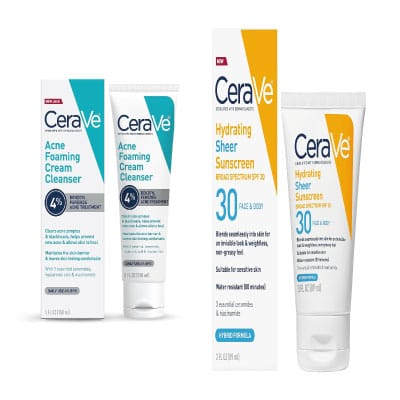
CeraVe Acne Foaming Cream Cleanser 4% benzoyl peroxide cleanser with ceramides. Best acne cleanser for inflamed
Benzoyl Peroxide
Benzoyl peroxide is the most powerful over-the-counter acne treatment ingredient for inflammatory acne papules, pustules, and infected breakouts. It works by releasing oxygen inside the pore, which kills the anaerobic Cutibacterium acnes bacteria directly. It also has mild exfoliating properties. Available at 2.5%, 5%, and 10% concentrations, 2.5% is as effective as higher concentrations but significantly less irritating. Start low and build up.
Note: benzoyl peroxide bleaches fabric and hair on contact. Apply carefully and use white towels.
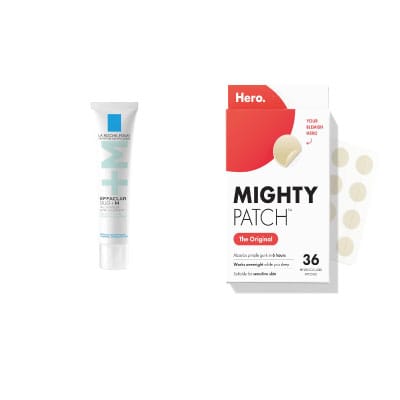
Neutrogena On-The-Spot Acne Treatment 2.5% Benzoyl Peroxide The best gentle benzoyl peroxide spot treatment for daily use on inflamed pimples.
La Roche-Posay Effaclar Duo Acne Treatment Benzoyl peroxide and lipo-hydroxy acid are combined. One of the most widely recommended dermatologist acne treatments.
Adapalene
Adapalene is a third-generation synthetic retinoid originally prescription-only but now available over the counter in most countries at 0.1% concentration. It works by normalizing the rate of skin cell turnover inside the pore, preventing the buildup of dead cells that creates comedones. It also has significant anti-inflammatory activity. Adapalene is one of the most effective long-term acne treatments for all types of acne, including hormonal and cystic, and is significantly less irritating than tretinoin or retinol.
Differin Adapalene Gel 0.1% The most clinically studied over-the-counter acne treatment. Used nightly for prevention and treatment of all acne types. Takes 8 to 12 weeks for full effect.
Niacinamide
Niacinamide (vitamin B3) is not a primary acne treatment but is one of the most valuable supporting ingredients in any acne treatment routine. At 10% concentration it reduces sebum production by up to 55%, visibly minimizes pore size, calms the redness and inflammation of active breakouts, and fades post-acne dark spots (post-inflammatory hyperpigmentation), one of the most frustrating lasting effects of acne. It is safe for all skin types, including sensitive skin, and pairs well with every acne treatment ingredient.
The Ordinary Niacinamide 10% + Zinc 1% The world’s bestselling niacinamide serum. Essential supporting treatment in any acne routine.
Azelaic Acid
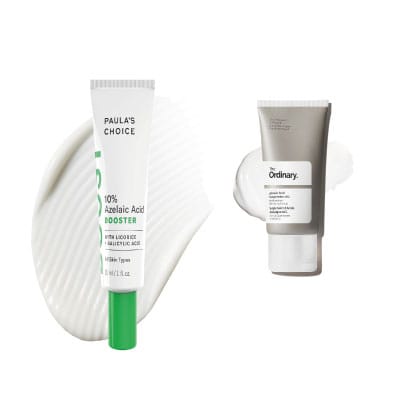
Azelaic acid is a naturally occurring dicarboxylic acid with remarkable versatility as an acne treatment. It kills acne bacteria, reduces inflammation, normalizes skin cell turnover to prevent comedones, and is one of the most effective treatments for post-acne hyperpigmentation. At 10% (over the counter), it is effective for mild to moderate acne. At 15% to 20% (prescription), it treats moderate to severe acne and rosacea. It is safe during pregnancy, making it one of the few acne treatments suitable for pregnant women.
The Ordinary Azelaic Acid Suspension 10% Affordable and effective over-the-counter azelaic acid for acne and hyperpigmentation.
Paula’s Choice 10% Azelaic Acid Booster Higher-end azelaic acid formulation with better texture and delivery.
Sulfur
Sulfur is one of the oldest acne treatment ingredients used for skin conditions for thousands of years. It works by reducing oil production, softening and dissolving the keratin plugs that cause blackheads, and killing acne bacteria. It is particularly effective for sensitive skin that cannot tolerate benzoyl peroxide or salicylic acid. Sulfur-based acne treatments are gentle, non-irritating, and work well for mild to moderate acne.
Recommended Acne Treatment Routine
Here is the complete acne treatment routine, morning and night, for mild to moderate acne. Every step serves a specific purpose in the treatment system.
Step 1: Gentle Cleanser
Every acne treatment routine begins with a cleanser. Choose a gentle, non-stripping formula; harsh cleansers disrupt the skin barrier and trigger rebound oil production that worsens acne. For active acne, a cleanser with salicylic acid (2%) or benzoyl peroxide (2.5%) delivers treatment at the very first step.
Use twice daily — morning and night. Massage for 60 seconds. Rinse with lukewarm water. Pat dry with a clean towel.
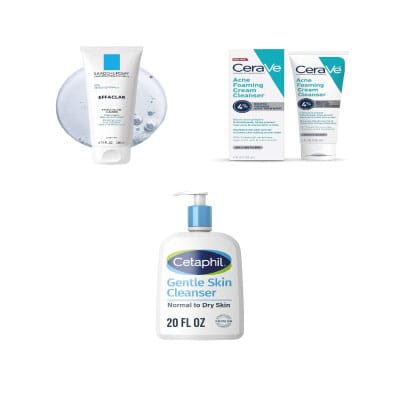
CeraVe Acne Foaming Cream Cleanser Benzoyl peroxide plus ceramides. Treats acne while protecting the skin barrier.
La Roche-Posay Effaclar Medicated Gel Cleanser: Salicylic acid gel cleanser. Best for oily and acne-prone skin.
Cetaphil Gentle Skin Cleanser For sensitive, acne-prone skin that cannot tolerate active ingredient cleansers.
Step 2: Apply Acne Treatment
After cleansing, apply your chosen acne treatment to dry skin. For spot treatment, apply directly to individual pimples. For full-face treatment, apply a thin layer to the entire affected area.
Morning: Niacinamide serum reduces oil and prevents daytime breakouts. Night: Adapalene, retinol, or azelaic acid active treatment while skin repairs overnight Spot treatment: Benzoyl peroxide 2.5% directly on papules and pustules as needed
Never layer multiple acne treatment actives in the same application. Choose one treatment for morning and one for night.
Differin Adapalene Gel 0.1% is the best nightly treatment for all acne types.
Neutrogena Rapid Clear Stubborn Acne Spot Treatment Benzoyl peroxide spot treatment for fast visible results on individual pimples.
Step 3: Use a Lightweight Moisturizer
Moisturizer is non-negotiable in any acne treatment routine, even for oily and acne-prone skin. Acne treatments like benzoyl peroxide, adapalene, and salicylic acid all dry the skin and disrupt the barrier. A lightweight, oil-free, non-comedogenic moisturizer restores this barrier, reduces the irritation caused by treatment products, and actually improves treatment effectiveness by maintaining a healthy skin surface.
Choose an oil-free gel moisturizer with niacinamide, ceramides, or hyaluronic acid. Never use heavy creams, oils, or comedogenic ingredients on acne-prone skin.
Neutrogena Hydro Boost Water Gel: Oil-free, non-comedogenic hyaluronic acid gel. Best lightweight moisturizer for acne-prone skin.
CeraVe PM Facial Moisturizing Lotion Ceramides and niacinamide. Repairs the barrier after acne treatment products. (Affi
Step 4: Apply Sunscreen Every Morning
Sunscreen is the final and most critical step of your morning acne treatment routine. Most acne treatment ingredients, adapalene, retinoids, AHAs, and BHAs, significantly increase UV sensitivity. Skipping SPF while using these treatments leads to increased sun damage, worsening hyperpigmentation, and makes acne scars significantly darker. Use a broad-spectrum SPF 30 to 50 every single morning.
Choose non-comedogenic, oil-free formulas specifically designed for acne-prone skin.
EltaMD UV Clear Broad-Spectrum SPF 46 The most recommended sunscreen for acne-prone skin. Contains niacinamide and zinc oxide. Non-comedogenic.
La Roche-Posay Anthelios Clear Skin SPF 60 Oil-absorbing, non-greasy formula designed specifically for acne-prone skin. (
Who They Are Best For
Over-the-counter acne treatments are best for mild to moderate acne, blackheads, whiteheads, and small to medium-sized papules and pustules. They are also ideal as maintenance treatments once a prescription regimen has cleared more severe acne.
Prescription Antibiotics
Topical and oral antibiotics reduce acne-causing bacteria and inflammation. Topical clindamycin and erythromycin are commonly prescribed for moderate inflammatory acne. Oral doxycycline, minocycline, and trimethoprim are used for moderate to severe acne. Antibiotics are typically prescribed for a limited period (3 to 6 months) to prevent antibiotic resistance, usually combined with benzoyl peroxide or adapalene for long-term maintenance.
Isotretinoin for Severe Acne
Isotretinoin (commonly known by the brand name Accutane) is the most powerful acne treatment available and the only one that can produce long-term remission or even a complete cure of severe acne. It works by permanently reducing the size and activity of sebaceous glands throughout the body. A standard course (4 to 6 months) clears severe cystic acne in approximately 85% of patients and produces permanent remission in most. It requires close medical supervision due to serious potential side effects, including teratogenicity (must not be used during pregnancy).
Natural Remedies for Acne: Do They Work?
Tea Tree Oil
Tea tree oil contains terpinen-4-ol, a compound with proven antibacterial and anti-inflammatory activity against Cutibacterium acnes. Multiple studies show that 5% tea tree oil gel is significantly more effective than a placebo for mild to moderate acne, though less effective than benzoyl peroxide. It works best as a spot treatment rather than a full-face treatment and must be diluted before application (never apply undiluted essential oil directly to skin).
Green Tea Extract
reen tea contains polyphenols, powerful antioxidants with anti-inflammatory and anti-androgenic activity. Topical application of 2% green tea extract has been shown in clinical studies to significantly reduce both inflammatory and non-inflammatory acne lesions. It is a genuinely effective supporting ingredient, though not a standalone treatment for moderate or severe acne.
Skipping Moisturizer
The idea that moisturizer worsens acne is one of the most persistent and most damaging myths in skincare. Skipping moisturizer dehydrates the skin, weakens the barrier, and causes acne treatment products to irritate more severely. A lightweight, oil-free, non-comedogenic moisturizer is an essential step in every acne treatment routine morning and night.
Expecting Overnight Results
Acne treatment takes time. Every clinically proven acne treatment ingredient requires consistent daily use over 8 to 12 weeks to show meaningful results. The temptation to switch products every 2 to 3 weeks “because it is not working” prevents any treatment from completing its full cycle and is one of the primary reasons people struggle with acne for years. Choose your treatment, commit to it for 12 weeks, and evaluate results only after that time.
Signs You Need Professional Help
See a dermatologist if your acne includes nodules, cysts, or deep painful bumps beneath the skin surface. If over-the-counter treatments have produced no improvement after 12 weeks of consistent use. If your acne is leaving permanent scars or dark spots. If your acne is significantly impacting your emotional well-being, confidence, or daily life.
Acne Scarring Concerns
If your acne is leaving scars, whether depressed (atrophic) scars, raised (hypertrophic) scars, or flat dark spots (post-inflammatory hyperpigmentation), see a dermatologist as soon as possible. Early treatment of active acne dramatically reduces scarring. Once scars form, professional treatments including chemical peels, microneedling, laser resurfacing, and filler injections can significantly improve their appearance.
How Long Does Acne Treatment Take to Work?
Most over-the-counter acne treatments take 8 to 12 weeks of consistent daily use to show significant results. Prescription treatments like tretinoin and isotretinoin typically show initial improvement at 4 to 6 weeks, with full results at 3 to 6 months. Patience and consistency are the most important factors in any acne treatment.
Can Acne Scars Be Treated?
Yes most acne scars can be significantly improved with professional treatment. Post-inflammatory hyperpigmentation (flat dark marks) responds well to azelaic acid, niacinamide, vitamin C, and chemical peels. Atrophic (depressed) scars respond to microneedling, laser resurfacing, and subcision. Raised (hypertrophic) scars respond to cortisone injections and laser treatment. The most important step is preventing new scars by treating active acne promptly and never picking or squeezing.
Conclusion
Acne is one of the most treatable skin conditions that exist, but it requires the right approach, the right products, and most importantly, the right expectations. There is no overnight cure. There is no single product that works for everyone. What there is is a clear, evidence-based path to clearer skin that is available to every person at every budget.
Start with the basics: a gentle cleanser, a salicylic acid or niacinamide treatment, a lightweight oil-free moisturizer, and broad-spectrum SPF every morning. Be consistent for 12 weeks before evaluating results. Add adapalene or azelaic acid for persistent breakouts. See a dermatologist for nodular, cystic, or hormonal acne that does not respond to over-the-counter treatments.
Consistency is the key. Choose your treatments based on your specific acne type. Seek professional advice for severe or persistent cases. And remember, virtually every case of acne can be significantly improved with the right treatment approach.