Best Makeup Remover Wipes
Wipes remain the most convenient option: no rinsing, no mess, and easy to travel with. The best makeup remover wipes are alcohol-free and fragrance-light, since daily wipe use on the same patch of skin can be more irritating over time than a rinse-off formula. They’re best treated as a first step or backup option rather than a full replacement for cleansing, since they can leave a light residue behind.
Best Makeup Remover Face Wash
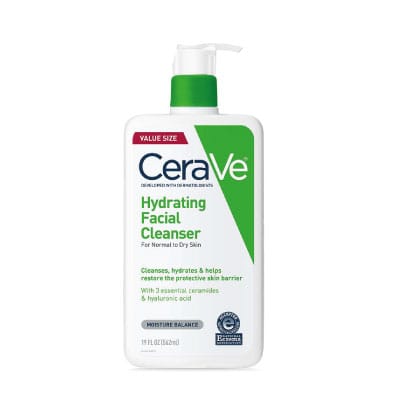
For people who prefer a single step, a best makeup remover face wash combines gentle surfactants with hydrating ingredients so it can lift light-to-moderate makeup while still cleansing the skin underneath. These work well for everyday makeup but often struggle with waterproof formulas without a pre-step.
Best Makeup Remover Balm
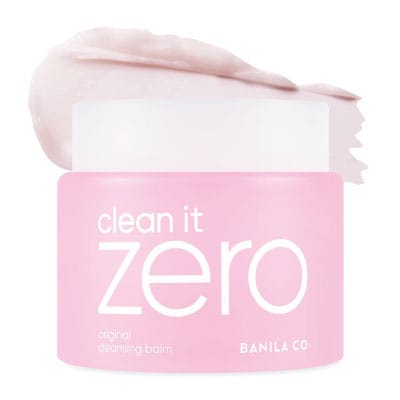
Cleansing balms have become one of the most popular formats in recent years, and for good reason: a best makeup remover balm melts on contact, breaking down even stubborn, long-wear makeup, then emulsifies into a milky texture when water is added, rinsing away cleanly without leaving a greasy film.
Best Makeup Remover Oil
Similar to balms but in liquid form, a best makeup remover oil is especially effective for full-face makeup and sunscreen and is a cornerstone of Korean and Japanese double-cleansing routines. It’s applied to dry skin, massaged in, then rinsed or emulsified with water.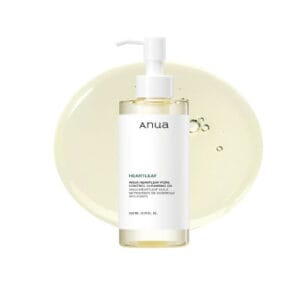
Best Micellar Water for Makeup Removal
Micellar water remains a favorite for quick, no-rinse removal. Is micellar water the best makeup remover? For light, everyday makeup, it can be; it’s fast, gentle, and doesn’t require a sink. For heavy or waterproof makeup, though, it typically needs a second pass or a pairing with a cleansing balm for a truly thorough clean.
Best Makeup Remover Cream or Milk
Cream and milk cleansers offer a middle ground between a rich balm and a lightweight water, thick enough to dissolve moderate makeup but rinseable enough not to need a full double-cleanse every time. These tend to suit dry-to-normal skin best, since they leave a light, moisturizing film behind rather than a completely stripped feeling.
Best Reusable Makeup Remover Cloths
Reusable microfiber cloths have grown in popularity as an eco-friendlier alternative to disposable wipes. Used with just warm water, a good-quality microfiber cloth can lift a surprising amount of makeup through the texture of the fibers alone, though they generally still work best as a first pass before a proper cleanser rather than a complete one-step solution, especially for waterproof formulas.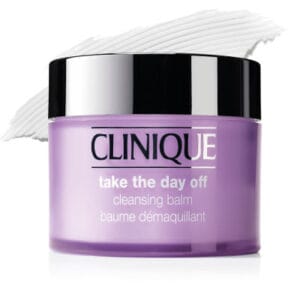
Best Makeup Remover Pads and Towelettes
Pre-cut cotton pads soaked in remover or reusable cloth pads paired with a liquid remover offer more control than a full wipe, useful for spot-treating areas like eyeliner or lipstick without needing to remove your entire face of makeup at once.
Choosing a Makeup Remover by Retailer and Budget
Makeup removers span a huge price range, from budget drugstore staples available at Target, Walmart, or Boots, up to prestige options sold at Sephora or Ulta. In general, the format matters more for effectiveness than the price point; a well-formulated drugstore cleansing balm can outperform an expensive micellar water on stubborn, waterproof makeup, simply because oil-based formats are inherently better suited to that job regardless of brand.
That said, higher-end options sometimes include more refined textures, added skincare benefits (like antioxidants or peptides), and more elegant packaging, which is worthwhile if those things matter to you but not strictly necessary for effective makeup removal. If you’re shopping on a budget, prioritize the ingredient list and format over the brand name: an affordable oil-based balm will typically remove waterproof mascara more effectively than a premium water-based formula.
Best Eye Makeup Remover
The eye area needs its own dedicated approach, since skin here is thinner and more sensitive than the rest of the face.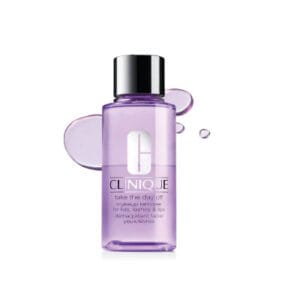
Best Makeup Remover for Waterproof Mascara
Waterproof formulas are designed to resist water, so a water-based remover alone usually won’t cut it. The best makeup remover waterproof mascara solution is typically a bi-phase (oil and water layered) formula or a dedicated eye makeup remover oil since the oil component is what actually breaks down waterproof pigments.
Best Eye Makeup Remover for Sensitive Eyes
For sensitive or easily irritated eyes, fragrance-free, hypoallergenic formulas are essential. Ophthalmologist-tested options, often recommended for contact lens wearers, reduce the risk of stinging or redness.
Best Makeup Remover for Eyelash Extensions
If you wear lash extensions, avoid oil-based removers, since oil breaks down the adhesive bond and shortens the life of your extensions. Instead, look for an oil-free formula specifically labeled safe for extensions.
Best Makeup Remover for Lash Glue and Gel Eyeliner
Stubborn products like lash glue residue or long-wear gel eyeliner often need a slightly stronger, oil-based approach, applied with a cotton pad and gentle pressure rather than rubbing, to avoid pulling at delicate lash line skin.
Best Makeup Remover for Oily Skin
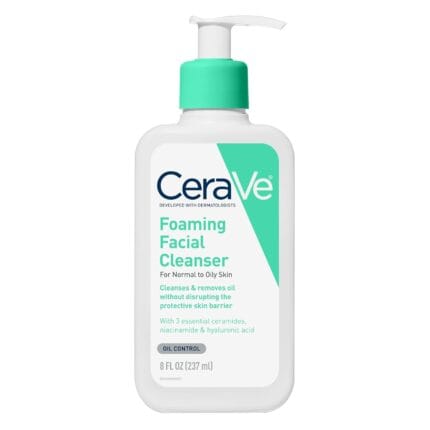
For oily skin, a lightweight micellar water or a foaming makeup remover face wash tends to work best, something that removes makeup along with excess sebum without adding extra oil back onto the skin.
Best Makeup Remover for Dry Skin
Dry skin benefits most from a hydrating cleansing balm or oil, since these formats add moisture back into skin as they dissolve makeup, rather than stripping it further.
Best Makeup Remover for Sensitive Skin
The best makeup remover for sensitive skin should be fragrance-free, alcohol-free, and free of harsh preservatives. Cream-based or oil-based options tend to be gentler than alcohol-containing micellar waters for reactive skin types.
Best Makeup Remover for Acne-Prone Skin
Non-comedogenic is the key word here. A best makeup remover for acne-prone skin option should thoroughly dissolve makeup and sunscreen (both common pore-clogging culprits when left on skin) without leaving behind heavy, occlusive residues that could contribute to breakouts.
Best Makeup Remover for Mature Skin
Mature skin often runs drier and more prone to fine lines, so gentle, hydrating balms or oils are usually preferred over stripping formulas. Ingredients like squalane or vitamin E in the best makeup remover balm for mature skin can add a light nourishing benefit during removal.
Best Makeup Remover for Rosacea
Rosacea-prone skin needs an especially gentle, fragrance-free approach. Avoid alcohol-based micellar waters and opt for a mild, cream- or oil-based remover that doesn’t require rubbing or friction, since friction itself can trigger flare-ups.
Best Natural and DIY Makeup Remover Options
Best Natural Makeup Remover
For those avoiding synthetic ingredients, natural oil-based options like coconut, jojoba, or sunflower oil can effectively dissolve makeup, though they should be patch-tested first since natural oils can still be comedogenic for some skin types.
Homemade Makeup Remover
A common DIY approach combines a carrier oil (like jojoba or sweet almond oil) with a few drops of gentle cleanser, applied with a soft cloth. While convenient and budget-friendly, homemade versions lack the preservative systems of commercial products, so they should be made in small batches and used within a few days.
Best Makeup Remover by Region and Beauty Culture
Best Korean Makeup Remover
Korean skincare routines popularized the “double cleanse,” starting with an oil-based cleanser or balm to dissolve makeup and sunscreen, followed by a water-based cleanser. A best Korean makeup remover pick usually leans toward lightweight, non-greasy cleansing oils or balms formulated to rinse cleanly without residue.
Best Japanese Makeup Remover
Japanese beauty brands are known for cleansing oils that emulsify quickly and thoroughly, often marketed specifically for removing both makeup and stubborn sunscreen, a category Japanese consumers prioritize heavily given the popularity of high-SPF daily wear.
Best Makeup Remover During Pregnancy
Most standard makeup removers are considered safe during pregnancy, but it’s worth choosing fragrance-free, minimal-ingredient formulas and avoiding products with retinoids or strong essential oils. As always, check with your doctor if you have any specific concerns.
Best Makeup Remover After Cataract Surgery
Post-surgery eye care requires extra caution; avoid rubbing the eye area entirely and use only products specifically approved by your surgeon during the recovery period, since standard eye makeup removers may not be appropriate immediately after the procedure.
Best Makeup Remover On Accutane
Accutane (isotretinoin) significantly dries out skin, so a gentle, hydrating, fragrance-free balm or cream remover is essential ,avoid alcohol-based micellar waters or anything with exfoliating acids during treatment.
Best Makeup Remover for Spray Tans
If you have a spray tan, avoid oil-based removers on the body, since oil can break down the tan unevenly. For the face, a gentle micellar water is usually the safest choice to avoid patchy fading.
What to Look for on the Ingredient Label
A few ingredient categories are worth understanding when comparing makeup removers side by side:
Micelles—tiny molecules that attract oil-based makeup while suspending in water, found in micellar waters
Emulsifiers—what allow oil-based balms and cleansing oils to turn milky and rinse cleanly with water, rather than leaving a greasy film
Glycerin and hyaluronic acid are humectants often added to prevent removers from feeling drying, especially useful in formulas for dry or mature skin
Alcohol (denatured)—common in some micellar waters for a fast-drying finish, but can be irritating with frequent use on sensitive skin
Fragrance—one of the most common irritants in makeup removers, especially relevant for sensitive skin, eczema, or rosacea
Checking for these categories, rather than just trusting front-of-bottle marketing claims like “gentle” or “for sensitive skin,” is a more reliable way to judge whether a formula will actually agree with your skin.
How to Remove Makeup the Right Way
Even the best makeup remover won’t work well without the right technique:
Don’t rub or scrub, especially around the eyes; press and hold for a few seconds to let the product break down makeup before wiping
Always follow with a proper cleanser if using a balm, oil, or micellar water, especially at night, to ensure all residue and dissolved makeup is fully washed away
Use a fresh cotton pad or cloth for each pass rather than reusing a dirty one
Be extra gentle around lash extensions, pressing rather than dragging the remover across lashes
Remove makeup before exercising, since sweat mixed with makeup is especially likely to clog pores
Work in sections, eyes first with a dedicated remover if needed, then the rest of the face, rather than trying to remove everything in one single pass, which often leads to more rubbing than necessary
Give balms and oils time to emulsify ,add a small amount of water and continue massaging until the texture turns milky, which signals the product has fully broken down and is ready to rinse away cleanly
Frequently Asked Questions
What is the best makeup remover overall? There isn’t a single universal answer, but cleansing balms are consistently rated among the most effective across skin types and makeup styles, since they can dissolve both light and heavy makeup without requiring multiple products.
Is micellar water the best makeup remover for everyday use? For light, everyday makeup, yes — it’s fast and doesn’t require rinsing. For full-coverage or waterproof makeup, it typically needs to be paired with a stronger product for complete removal.
What’s the best makeup remover for waterproof mascara specifically? A biphasic (oil and water) eye makeup remover or a dedicated oil-based formula is most effective, since the oil component is what breaks down waterproof, water-resistant pigments.
Are makeup remover wipes bad for your skin? Not inherently, but relying on wipes alone as your only cleansing step can leave residue behind and may be more irritating with daily use than a rinse-off formula. They’re best used as a first step or for travel/backup situations.
What’s the best makeup remover for sensitive skin and eyes? Fragrance-free, alcohol-free, ophthalmologist-tested formulas are the safest choice for sensitive skin and eyes, since they minimize the risk of stinging, redness, or irritation.
Can I use oil-based makeup remover if I have oily or acne-prone skin? Yes—despite the common myth, oil cleansers don’t necessarily worsen oily or acne-prone skin, since “like dissolves like” and oil-based removers can effectively lift excess sebum along with makeup. Just choose a non-comedogenic oil formula and follow with a proper cleanser.
Is it safe to use makeup remover if I have eyelash extensions? Avoid oil-based removers on the lash line, since oil breaks down the adhesive bond. Choose an oil-free formula specifically labeled safe for extensions instead.
Do I still need to cleanse my face after using a makeup remover? For balms, oils, and micellar water, yes — especially at night. These formats work best as the first step of a double cleanse, followed by a water-based cleanser to fully remove any dissolved makeup and residue.
What’s the best natural makeup remover if I want to avoid synthetic ingredients? Natural oils like jojoba, coconut, or sunflower oil can work well, though they should be patch-tested first, since natural oils can still clog pores for some skin types despite being “natural.”
What’s the best makeup remover for mature skin that won’t dry it out further? A hydrating balm or oil-based remover with nourishing ingredients like squalane or vitamin E tends to work best, since mature skin generally benefits from added moisture during the removal step rather than a stripping formula.
Is it okay to use the same remover on my face and eyes? Many formulas are labeled safe for both, but if you have particularly sensitive eyes or wear contact lenses, a dedicated, ophthalmologist-tested eye makeup remover is generally the safer choice.
What’s the best makeup remover for rosacea-prone skin? A fragrance-free, alcohol-free cream or oil-based remover used with gentle pressing rather than rubbing is best, since friction and harsh ingredients can both trigger rosacea flare-ups.
Final Thoughts
There’s no single best makeup remover that works for every face; the right choice depends on the makeup you wear, your skin type, and how sensitive your skin and eyes are. Waterproof mascara calls for an oil-based or bi-phase remover; sensitive and rosacea-prone skin needs fragrance-free, low-friction formulas; and acne-prone skin benefits most from non-comedogenic options that don’t leave residue behind.
Whatever format you choose, the real key to healthy skin isn’t just the product itself; it’s making thorough removal a non-negotiable step every single night, followed by a proper cleanse to make sure nothing lingers on your skin while you sleep. Give a new remover a few weeks of consistent use before judging results, and if you notice ongoing irritation, breakouts, or eye discomfort despite switching formulas, it’s worth checking in with a dermatologist or eye doctor to rule out a deeper sensitivity or underlying issue.
If you’re still unsure where to start, a simple approach works well for most people: keep a gentle, oil-based balm or cleansing oil on hand for makeup and sunscreen removal at night, and a light micellar water for quick touch-ups or lighter makeup days. Pair either with a proper follow-up cleanser, and you’ll cover nearly every situation, from waterproof mascara to everyday tinted moisturizer without needing a drawer full of specialized products.
Reviews
There are no reviews yet.