
Korean skincare (also called K-beauty) refers to the beauty philosophy and product culture that originated in South Korea. Unlike Western beauty routines that often focus on covering up skin problems with makeup, Korean skincare focuses on preventing problems before they start and achieving naturally clear, healthy, glowing skin from within.
The philosophy is rooted in three core ideas:
Hydration is everything. Well-moisturized skin is healthy skin.
Gentle is better. Harsh treatments damage the skin barrier over time.
Consistency wins. A daily routine beats occasional intensive treatments.
This is why Korean skincare has become one of the most searched beauty topics worldwide. Searches for skincare routines, best Korean skincare, and Korean skincare products number in the millions every month because people see real results when they follow these principles.
What Makes Korean Skincare Different?
1. Prevention Over Correction
Most Western skincare reacts to problems. You break out; you treat it. Skincare flips this approach. The goal is to maintain skin health so that breakouts, dark spots, and signs of aging rarely appear in the first place. This is especially true for skincare anti-aging routines, which start early and focus on long-term results.
2. Intense Hydration
It layers multiple hydrating products, toners, essences, and serums to flood the skin with moisture at different depths. This is why skincare for dry skin is so effective and why even those following a skincare for oily skin routine benefit from hydration (properly hydrated oily skin produces less excess oil).
3. Gentle Ingredients
Skincare ingredients tend to be soothing rather than stripping. Instead of harsh acids used at high concentrations, K-beauty favors gentle actives like centella asiatica, snail mucin, niacinamide, and green tea. This makes skincare for sensitive skin and skincare for rosacea particularly effective.
4. Layering Products
The famous multi-step routine isn’t about using more products for the sake of it; each product in a it skincare routine has a specific purpose and is applied in a specific order to maximize absorption and effectiveness.
The Korean Skincare Routine Order: 10 Steps for Clear, Glowing Skin
Understanding the correct Korean skincare routine order is the key to getting results. Here are the it routine steps in order:
Step 1: Oil Cleanser
The skincare double cleanse starts with an oil cleanser. Oil dissolves oil, which means it effectively removes sunscreen, makeup, and sebum without stripping your skin’s natural moisture barrier.
Best for: All skin types, especially those using SPF or wearing makeup daily.
Top picks: Look for cleansing balms or oils from brands like COSRX, Anua Skincare, or Beauty of Joseon, among the most popular skincare brands for this step.
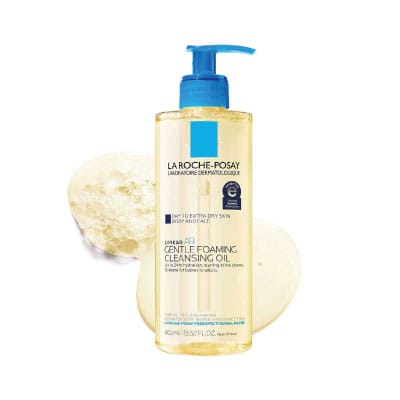
Tip: Apply to dry skin, massage gently for 60 seconds, then emulsify with water and rinse.
Step 2: Water-Based Cleanser
The second cleanse removes any remaining dirt, sweat, and residue left after the oil cleanser. A good water-based skincare cleanser should leave your skin clean but not tight or dry.
Best for: All skin types. Choose a foam for oily skin or a gel or cream for dry or sensitive skin.
Top picks: COSRX Low pH Good Morning Gel Cleanser is a cult classic. For those following skincare for acne-prone skin, look for cleansers with salicylic acid.
Step 3: Exfoliator (1–3 Times Per Week)
Exfoliation removes dead skin cells that dull the complexion and clog pores. In skincare, chemical exfoliants (AHAs and BHAs) are preferred over physical scrubs, as they’re gentler and more effective.
Best for: All skin types choose AHAs for dry/normal skin and BHAs for oily/acne-prone skin.
Note: Don’t use every day. Over-exfoliating is one of the most common skincare mistakes.
Step 4: Toner
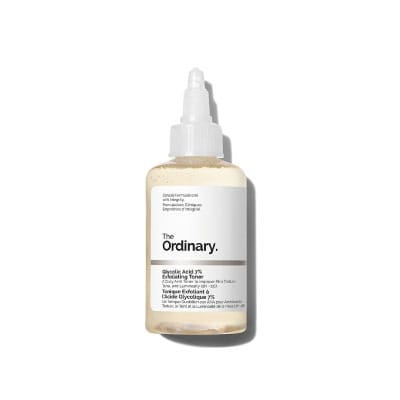
A skincare toner is nothing like Western astringent toners. It’s a lightweight, hydrating liquid that balances your skin’s pH after cleansing and preps it to absorb the products that follow.
Best for: All skin types. Look for Anua Heartleaf Toner, COSRX AHA/BHA Clarifying Treatment Toner, or Torriden toners, some of the most loved skincare toner options.
Tip: Pat gently into skin with your hands rather than wiping with a cotton pad to maximize absorption.
Step 5: Essence
The essence is the heart of skincare. It’s a lightweight, concentrated liquid that delivers active ingredients deep into the skin for hydration and cellular repair.
Best for: All skin types, especially aging skin. Skincare for mature skin routinely includes a fermented essence.
Top picks: Beauty of Joseon Glow Serum, COSRX Advanced Snail 96 Mucin Power Essence, and Anua skincare essences are beloved in the Korean skincare community.
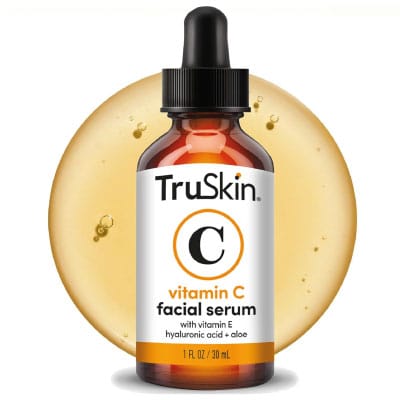
Step 6: Serum or Ampoule
Skincare serums are more concentrated than essences and target specific skin concerns: dark spots, acne, fine lines, or dullness.
Popular options by concern:
skincare dark spots → Vitamin C serum or niacinamide
skincare for acne → Centella or tea tree ampoule
skincare vitamin c serum → Beauty of Joseon Glow Serum or COSRX Vitamin C 23 Serum
skincare retinol → Dr. Althea or COSRX retinol serums
Tip: Use the 3-second rule. Apply your serum within 3 seconds of the previous product while skin is still slightly damp for best absorption.
Step 7: Sheet Mask (Optional, 2–3 Times Per Week)
Sheet masks are perhaps the most iconic part of Korean skincare. Soaked in concentrated serum, they press active ingredients against the skin for 15–20 minutes, giving an intense hydration boost.
Best for: Any skin type needing an extra boost. Great for Korean skincare for mature skin or before a special event.
Tip: Don’t wash off the serum left on your face after removing the mask; pat it in for maximum benefit.
Step 8: Eye Cream
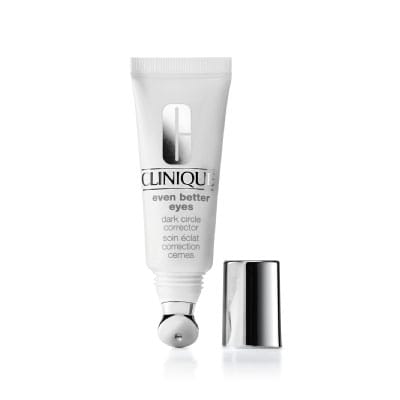
The skin around your eyes is the thinnest on your body and shows signs of aging earliest. Skincare eye cream is formulated specifically for this delicate area to address dark circles, puffiness, and fine lines.
Application tip: Use your ring finger (which applies the least pressure) and gently tap never rub around the orbital bone.
Step 9: Moisturizer
Your moisturizer seals in all the hydrating layers beneath it and strengthens your skin barrier. In skincare, even oily skin needs a moisturizer, just a lighter, gel-based one.
Top picks by skin type:
skincare for oily skin → Lightweight gel moisturizers from COSRX or Dr. G
skincare for dry skin → Rich cream from Laneige Water Sleeping Mask or Dr. Althea
skincare for sensitive skin → Fragrance-free options with centella
Step 10: Sunscreen (Morning Only)
Sunscreen is non-negotiable in Korean skincare. UV damage is the single biggest cause of premature aging and dark spots, and no amount of serums will fix what unprotected sun exposure keeps undoing.
Korean skincare sunscreen options are famous for their light, non-greasy textures, a complete shift from the thick, white-cast formulas many people associate with sunscreen.
Top picks: Beauty of Joseon Relief Sun, Round Lab Birch Juice sunscreen, and COSRX SPF formulas are consistently rated as the best Korean skincare sunscreens globally.
Best Korean Skincare Ingredients
Understanding Korean skincare ingredients helps you choose products that actually match your skin’s needs:
Hyaluronic Acid
A molecule that holds up to 1,000 times its weight in water. Found in almost every skincare hydrating product: toners, essences, serums, and moisturizers.
Snail Mucin
One of the most unique skincare ingredients, snail secretion filtrate, is rich in glycoproteins, hyaluronic acid, and zinc. It repairs damaged skin, fades scars, and deeply hydrates. COSRX is the most well-known brand for snail mucin products.
Centella Asiatica
Also known as cica or tiger grass, centella is a calming, anti-inflammatory ingredient perfect for skincare for acne, Korean skincare for rosacea, and skincare for sensitive skin.
Niacinamide
A form of vitamin B3 that brightens dark spots, minimizes pores, controls oil, and strengthens the skin barrier. Excellent for skincare for oily skin and skincare for dark spots.
Green Tea
Rich in antioxidants, green tea protects skin from free radical damage, reduces inflammation, and adds a lightweight layer of hydration. Common in Korean skincare for acne-prone skin and anti-aging routines.
Korean Skincare for Oily Skin
If you have oily skin, the key is hydration without heaviness. Many people with oily skin skip moisturizer, but this often makes the problem worse, as dehydrated skin produces more oil to compensate.
Recommended routine:
Low pH gel cleanser
BHA toner (salicylic acid)
Lightweight niacinamide serum
Oil-free gel moisturizer
SPF sunscreen (no silicones if prone to breakouts)
Top brands: COSRX, Some By Mi, Dr. G
Korean Skincare for Dry Skin
Dry skin needs maximum hydration and a rich moisturizer to prevent moisture loss.
Recommended routine:
Balm or cream oil cleanser
Hydrating cream cleanser
Hyaluronic acid essence
Ceramide or peptide serum
Rich moisturizer or sleeping mask from Laneige
Hydrating SPF
Top brands: Laneige, Beauty of Joseon, Dr. Althea
Korean Skincare for Acne-Prone Skin
Korean skincare for acne focuses on gentle exfoliation, calming inflammation, and preventing new breakouts without stripping the skin.
Recommended routine:
Gentle low-pH cleanser
BHA toner 2–3x per week
Centella or tea tree serum
Light, non-comedogenic moisturizer
SPF (non-comedogenic formula)
Top brands: COSRX, Some By Mi, Anua skincare
Korean Skincare for Sensitive Skin
Sensitive skin needs fragrance-free, minimal-ingredient products that won’t trigger reactions.
Recommended routine:
Cream cleanser (no sulfates)
Skip exfoliation or use very gentle enzymes
Centella toner
Barrier-repair serum with ceramides
Calming moisturizer
Mineral SPF
Top brands: Round Lab, Dr. Althea, Torriden
Best Korean Skincare Brands
The skincare market is enormous; in fact, many of the best skincare brands started in Korea and are now available worldwide on platforms like YesStyle, Jolse, and Olive Young‘s international store.
Here are the most popular skincare brands trusted by millions:
COSRX the ultimate workhorse brand with cult-favorite products for every concern
Beauty of Joseon traditional Korean herbal ingredients in elegant formulas
Anua skincare beloved for heartleaf (houttuynia cordata) products, especially for korean skincare for acne and sensitive skin
Laneige is famous for their Water Sleeping Mask and hydration-focused line
Dr. Althea dermatologist-developed formulas
Dr. Melaxin is known for brightening and anti-aging formulations
Round Lab simple, effective formulas with birch juice as a hero ingredient
Torriden hyaluronic acid experts with a focus on korean skincare for sensitive skin
Medicube is science-driven skincare with a strong following for their age-R devices and serums
These brands are available globally, whether you’re looking for skincare in Australia, skincare in the UK, Korean skincare in Canada, Korean skincare in Europe, or Korean skincare in an online shop with worldwide shipping.
Where to Buy Korean Skincare
Finding authentic Korean skincare products has never been easier. Here’s where to shop:
YesStyle is one of the most popular korean skincare online store options globally
Jolse ships directly from Korea with a huge range of products
Olive Young Global the Korean equivalent of a beauty pharmacy, now ships internationally
Amazon is convenient, but verify sellers carefully to avoid counterfeits
Sephora carries select korean skincare sephora brands like Laneige and COSRX
Local Korean beauty shops: If you’re searching korean skincare near me or korean skincare store near me, many cities now have dedicated K-beauty boutiques
If you’re in a specific location, searches like “korean skincare baku,” “korean skincare london,” “korean skincare toronto,” “skincare sydney,” “skincare australia,” and “O skincare South Africa” will surface local retailers and online options that ship to your region.
Common Korean Skincare Mistakes to Avoid
Even with the best skincare products, these mistakes can slow your progress:
1. Over-Exfoliating
More is not better with exfoliation. Using exfoliants more than 3 times per week or combining multiple strong actives damages your skin barrier and causes sensitivity, breakouts, and redness. This is a mistake common in skincare for acne routines that backfires badly.
2. Using Too Many Products at Once
Starting a full 10-step routine overnight introduces too many new ingredients simultaneously. If you react to something, you won’t know what caused it. Start with the core 4 steps (cleanser, toner, moisturizer, and SPF) and add products one at a time.
3. Skipping Sunscreen
This is the most consequential skincare mistake of all. UV rays are responsible for up to 90% of visible skin aging. Your skincare vitamin C serum and expensive essence cannot undo daily sun damage. SPF is mandatory every single morning.
4. Not Checking Expiration Dates
Korean skincare expiration date awareness is important. Most Korean skincare products have a PAO (Period After Opening) symbol, a jar icon with a number (like “12M”) indicating how many months the product is safe to use after opening. Check this and discard old products.
5. Choosing Products for the Wrong Skin Type
A Korean skincare routine designed for dry skin used on oily skin (or vice versa) can make things significantly worse. Always choose products matched to your skin type and concerns.
Is Korean Skincare Good for All Skin Types?
Yes. Korean skincare offers products and routines for every skin type type: skin, dry skin, combination skin, sensitive skin, mature skin, and acne-prone skin. The key is choosing the right products for your specific needs.
How Long Does It Take to See Results?
Most people see improved hydration and texture within 2–4 weeks of consistently following a Korean skincare routine. For bigger concerns like dark spots or acne scarring, give it at least 8–12 weeks. Korean skincare is a long-term investment, not a quick fix.
Do I Need All 10 Steps?
No. The 10-step routine is the full version, not a daily requirement. A simple 4-step routine (oil cleanser or water cleanser, toner, moisturizer, and SPF) is a perfectly valid Korean skincare routine for beginners. Add steps as your skin adjusts and your needs grow.
What Is the Best Korean Skincare for Men?
Korean skincare for men is a growing category, and most K-beauty products are suitable for all genders. Men with oily or acne-prone skin often start with a gel cleanser, BHA toner, lightweight moisturizer, and SPF. Brands like COSRX and Dr. G have products marketed specifically for men, but the full Korean skincare range is equally effective regardless of gender.
Where Can I Find Korean Skincare Reviews?
Korean skincare reviews are widely available on Reddit (r/AsianBeauty is the most active community), YouTube, and sites like Hwahae (a Korean beauty review app). Korean skincare reviews from dermatologists are also increasingly common on YouTube and Instagram, making it easier to verify which products actually deliver results.
Conclusion: Start Your Korean Skincare Journey Today
Korean skincare is more than a trend; it’s a philosophy of treating your skin with patience, consistency, and the right products. Whether you’re a complete beginner building your first routine or someone who wants to level up with the best Korean skincare for 40s or Korean skincare glass skin products, the approach is the same: hydrate, protect, and be consistent.
Key takeaways from this guide:
Follow the correct korean skincare routine order for maximum product effectiveness
Choose products based on your skin type: oily, dry, acne-prone, or sensitive
Never skip sunscreen; it’s the most important step in any korean skincare routine
Start simple and build your routine gradually
Shop trusted korean skincare brands like COSRX, Beauty of Joseon, Anua, and Laneige
Look for korean skincare online retailers like YesStyle, Jolse, and Olive Young for authentic products
Your skin is a long-term investment. Start with the basics, stay consistent, and the results will come. Healthy, glowing skin is not a secret; it’s a Korean skincare routine followed every day.