
A good concealer can make the difference between looking rested and looking tired, between a flawless base and a cakey, creased mess. But with hundreds of formulas, finishes, and shade ranges on the market, finding the best concealer for your skin type, undertone, and concerns isn’t always straightforward. This guide breaks down exactly what to look for, how to match your shade, how to apply it properly, and which well-reviewed concealers are worth considering at every budget.
What Does Concealer Actually Do?
it is a pigmented, higher-coverage makeup product designed to hide specific imperfections: dark circles, blemishes, redness, dark spots, and discoloration. It’s different from the foundation in a few key ways. Concealer is typically thicker, more concentrated in pigment, and meant to be applied to targeted areas rather than the whole face. Many people use it on its own for a quick, minimal look, while others layer it over or under foundation for extra coverage where they need it most.
Types of Concealer Formulas
Choosing the right formula matters as much as choosing the right shade, since texture determines how a concealer wears, blends, and behaves on your particular skin.
Liquid Concealer
Liquid it are the most versatile and most common format. They range from sheer and lightweight to full-coverage, and they’re typically easy to blend. Wand applicators make them quick to apply, especially under the eyes. Liquid formulas tend to suit most skin types, though very dry skin should look for hydrating versions, and very oily skin should choose a long-wearing, matte or natural-finish formula.
Cream Concealer
Cream it often sold in pots, palettes, or sticks, offer richer, more opaque coverage. They’re excellent for covering dark spots, scars, tattoos, or significant discoloration. Because they’re thicker, they can look heavy on the delicate under-eye area if applied too generously, so a light hand is key.
Stick Concealer
convenient and portable, with firm, buildable coverage that works well for blemishes and spot correction. They can drag on dry skin or settle into fine lines under the eyes, so they’re often best used for targeted spots rather than the full under-eye area.
Powder Concealer
Powderof it are less common but useful for oily skin and for setting. They offer light-to-medium coverage and a matte finish, though they can emphasize dryness or texture on mature or dry skin.
Color-Correcting Concealer
These come in shades like peach, orange, green, yellow, and lavender, each designed to neutralize a specific type of discoloration before you apply your regular concealer. We cover how to use them below.
How to Choose the Right Concealer Shade
Shade matching is where many people go wrong, and it’s worth getting right because it affects how natural your final look appears.
Understanding Undertones
Your undertone is the subtle hue beneath your skin’s surface color, and it generally falls into three categories:
Cool undertones have pink, red, or bluish hints. Silver jewelry often flatters, and veins on your wrist tend to look blue or purple.
Warm undertones have yellow, golden, or peachy hints. Gold jewelry often flatters, and wrist veins tend to look greenish.
Neutral undertones are a balance of both, and you may find both gold and silver jewelry work well.
Olive undertones have a greenish or golden-green cast and often fall into their own category.
Matching your undertone matters because a concealer that clashes with it can look ashy, orange, or gray rather than blending seamlessly.
Brightening Under the Eyes vs. Matching Your Skin
A common rule of thumb is to choose a shade that matches your skin tone for blemishes and dark spots, and a shade one to two tones lighter for brightening the under-eye area. Going too much lighter, however, can create a “reverse raccoon” effect that draws more attention to the area rather than concealing it, so a subtle difference is usually best.
Test Before You Commit
Swatch concealer along your jawline or on the inside of your wrist, then check it in natural daylight. Store lighting can be unreliable, and many shades look different once they oxidize on your skin over a few minutes.
Color-Correcting: When to Use It
sit opposite your discoloration on the color wheel, neutralizing it so your concealer has less work to do.
Peach or orange correct blue, purple, and brown dark circles, particularly on medium to deeper skin tones
Salmon or pink work for lighter skin tones with bluish under-eye shadows
Green neutralizes redness from acne, rosacea, or irritation
Yellow brightens purple-toned darkness and evens out overall dullness
Lavender helps counteract sallow or yellowish tones
Apply a very small amount, tap it in gently, and then layer your regular it on top. Overusing color correctors is the most common mistake and can leave you with a visible, unnatural tint.
Best Concealer for Dry Skin
Dry skin needs hydrating, creamy formulas that won’t cling to flaky patches or settle into fine lines. Look for ingredients like hyaluronic acid, glycerin, and squalane. Prep with a good eye cream or moisturizer first, and avoid heavily matte or powder-based formulas, which can emphasize dryness.
Best Concealer for Oily Skin
Oily skin does best with long-wearing, oil-free, or matte formulas that resist creasing and sliding throughout the day. Setting your concealer with a light dusting of translucent powder helps lock it in place, particularly in areas prone to oil buildup.
Best of it for combination skin
Combination skin can often use a lightweight liquid concealer with a natural or semi-matte finish, adjusting your prep and setting steps by area rather than switching products entirely.
Best Concealer for Sensitive Skin
Look for fragrance-free, non-comedogenic formulas with minimal irritating ingredients. Mineral-based concealers can be a good option for reactive skin, and patch testing a new product before using it on your whole face is always smart.
Best Concealer for Mature Skin
Mature skin tends to show creasing and texture more easily, so lightweight, hydrating, luminous formulas generally look best. Heavy, full-coverage itncan settle into lines and appear cakey. Applying less product, building coverage gradually, and using a light touch with setting powder helps keep things looking natural.
Best Concealer for Acne-Prone Skin
Acne-prone skin benefits from non-comedogenic formulas, and some contain salicylic acid to help calm blemishes. A thicker, higher-coverage stick or cream works well for spot-covering active breakouts, applied with a small brush or fingertip and gently tapped rather than rubbed.
Best Concealer for Dark Circles
Dark circles come from a mix of causes: genetics, thin skin that shows blood vessels, fatigue, and in some cases pigmentation. A hydrating, medium-coverage liquid concealer in a slightly brightening shade, paired with a color corrector for deeper circles, is typically the most effective combination. Applying concealer in a small triangle shape under the eye, then blending outward, helps lift and brighten the area.
Best Concealer for Blemishes and Acne
For active breakouts, a thicker, creamier it or a stick formula gives the best coverage. Dab it directly on the blemish with a small brush, tap to blend the edges, and set lightly with powder. Avoid heavy rubbing, which can irritate the area and move product around.
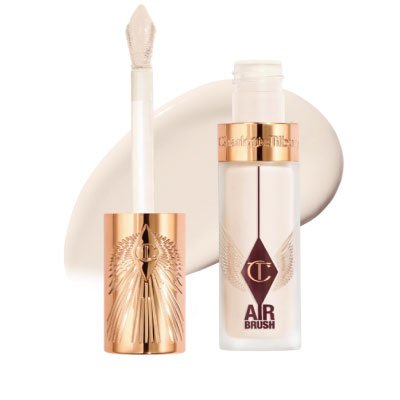
Best Concealer for Dark Spots and Hyperpigmentation
Dark spots usually need a full-coverage cream or stick concealer that matches your skin tone closely. For stubborn discoloration, applying a thin layer of color corrector first (peach or orange for darker tones) makes it far easier to achieve seamless coverage without piling on product.
Best Concealer for Redness
Green-toned correctors neutralize redness from acne, rosacea, or irritation, followed by a skin-toned concealer on top. A lightweight formula is usually better than a heavy one for large areas of redness, since heavier products can look obvious and mask-like.
Best Concealer for Scars and Texture
Textured skin and scars benefit from thinner, more flexible formulas applied sparingly. Thick, heavy concealers tend to emphasize texture rather than hide it, so a light application with a damp sponge usually gives the best result.
Drugstore vs. High-End Concealer
You don’t need to spend a lot to get a great concealer. Drugstore options often rival prestige brands in coverage, finish, and wear, and many have impressive shade ranges. Higher-end concealers may offer more refined textures, longer wear, or specialty formulas, but the price gap doesn’t always reflect a proportional quality gap. If you’re on a budget, start with a well-reviewed drugstore option and only upgrade if you find a specific need it isn’t meeting.
Popular it Worth Considering
Because formulas, shade ranges, and prices change regularly, think of this list as a starting point for your own research rather than a definitive ranking. Read recent reviews and check current shade availability before buying.
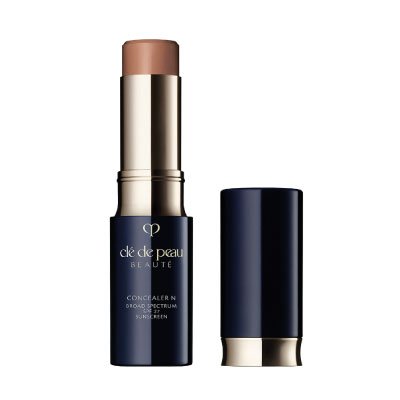
Maybelline Instant Age Rewind Eraser—a widely available drugstore favorite known for its sponge-tip applicator and lightweight, blendable coverage, popular for under-eye brightening
NARS Radiant Creamy Concealer—a long-standing prestige pick known for creamy, luminous medium-to-full coverage and a broad shade range
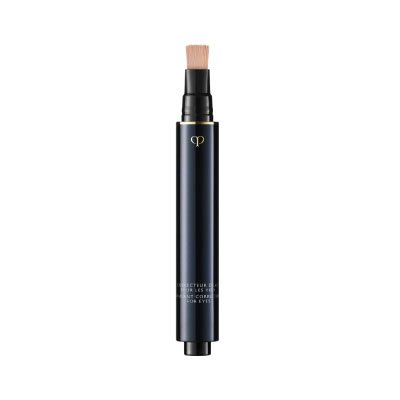
Tarte Shape Tape Concealer—known for its high, full coverage and matte-leaning finish, often used for dark circles and spot correction
Fenty Beauty Pro Filt’r Instant Retouch Concealer—recognized for its extensive shade range and natural, skin-like finish
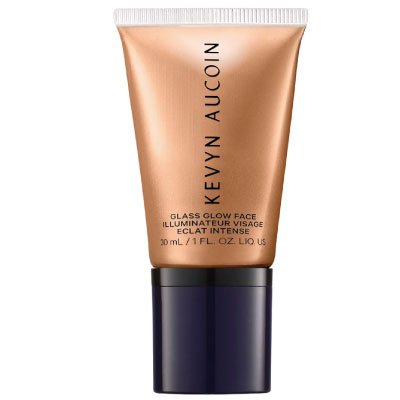
L’Oréal Paris True Match Super-Blendable Concealer—a budget-friendly drugstore option with a wide shade range
Kevyn Aucoin The Sensual Skin Enhancer—a prestige skin-tint-meets-concealer hybrid favored for a natural, skin-like finish
Look for these and similar options through your preferred retailer’s links below, and compare shade swatches and customer reviews for your specific skin tone and concerns.
How to Apply it Like a Pro
Technique matters nearly as much as product. These steps work for most formulas and skin types:
- Start with a prepped, moisturized face. Dry or dehydrated skin makes concealer look patchy. An eye cream or lightweight moisturizer under the eyes helps concealer glide on smoothly.
- Apply foundation first if you wear it. This lets you see how much coverage you actually need, so you don’t over-apply concealer.
- Use a small amount. You can always build coverage, but removing excess product is harder.
- Dot, don’t swipe. Place small dots where you need coverage rather than dragging product across the skin.
- Blend with the right tool. A damp makeup sponge gives a seamless, skin-like finish, a small brush offers precision for blemishes, and fingers can warm up creamier formulas for a natural blend.
- Tap, don’t rub. Patting motions blend without disturbing the product underneath.
- Set strategically. A light dusting of translucent powder under the eyes and over oily areas helps prevent creasing, while dry areas may be better left unset or set very lightly.
Common it Mistakes to Avoid
Choosing a shade that’s too light. This can look ashy or draw attention to the very area you’re trying to conceal.
Applying too much product. Heavy layers settle into fine lines and look cakey, especially under the eyes.
Skipping skincare prep. Concealer clings to dry patches and emphasizes texture.
Using too much color corrector. A thin layer is enough, and extra can show through your final makeup.
Over-setting with powder. Excess powder can accentuate dryness and fine lines, particularly under the eyes.
Not blending the edges. Visible edges are what make concealer look obvious, so take time to blend outward.
Forgetting to match undertone. The right depth with the wrong undertone still looks off.
it Tools Worth Having
Damp makeup sponge for blending a seamless, natural finish
Small, dense concealer brush for precise coverage on blemishes
Fluffy setting brush for light, even powder application
Clean fingertips for warming and blending cream formulas
Whatever tools you use, keeping them clean matters. Dirty sponges and brushes harbor bacteria that can contribute to breakouts and irritation.
Adjusting Your Concealer Through the Seasons
Your skin changes throughout the year, and your concealer routine can too. In summer, many people find their skin tans slightly, so a shade that matched perfectly in winter may now look too light or ashy. Keeping two shades on hand and blending them together is a simple fix. Humidity and heat also make oily skin more prone to creasing and sliding, so a long-wearing, lightweight formula with a light setting powder often performs better in warm months.
In winter, skin tends to run drier, so a more hydrating, creamy formula usually looks better and resists clinging to flaky patches. Pairing it with a richer moisturizer or eye cream underneath helps keep the finish smooth throughout the day.
How to Remove Concealer Properly
it is a concentrated, pigment-rich product, and leaving it on overnight can clog pores and irritate delicate under-eye skin. Remove it each evening with a gentle makeup remover, such as a cleansing balm, oil, or micellar water, then follow with your regular cleanser. Press the remover onto the area for a few seconds to let it dissolve the product rather than rubbing, which can irritate the thin skin under the eyes and contribute to dark circles over time.
How do I know which concealer shade is right for me?
Match your undertone first (cool, warm, neutral, or olive), then choose a shade that matches your skin tone for blemishes or one to two shades lighter for under-eye brightening. Swatch along the jawline and check in natural light.
Can I use it as foundation?
Yes, many people use a lightweight liquid concealer all over for a minimal, natural look, though it can be more expensive and may feel heavier than a dedicated foundation for full-face use.
What is the difference between concealer and color corrector?
Color neutralizes a specific discoloration using the opposite color on the color wheel, while concealer then covers the remaining area with a skin-toned shade. They work best layered together for stubborn discoloration.
Is a cream or liquid it better?
It depends on your needs. Liquid formulas are more versatile and easier to blend, ideal for under-eye areas and everyday coverage, while creams provide thicker, more opaque coverage for blemishes, scars, and dark spots.
Can concealer cause breakouts?
Heavy, comedogenic formulas can contribute to clogged pores, especially on acne-prone skin. Choose non-comedogenic options, remove makeup thoroughly at night, and keep your tools clean.
How long does it last?
Most concealers last roughly 12 to 24 months, depending on the formula, though many have a symbol on the packaging indicating how long they stay good after opening. Replace any concealer that changes in smell, texture, or color.
Final Thoughts
The best concealer is the one that matches your skin tone and undertone, suits your skin type, and addresses your specific concern, whether that’s dark circles, blemishes, redness, or discoloration. Getting the shade and formula right is half the battle, and technique is the other half: prep your skin, use a light hand, blend well, and set strategically.
Don’t be afraid to experiment. Shade needs can change with the seasons, and a single concealer rarely does everything, so many people keep two on hand, one for under-eye brightening and one for blemishes and spot coverage. Start with a well-reviewed option within your budget, give it a fair trial, and adjust from there. Since pricing and shade availability change frequently, check the current details through the retailer links before you buy.