
Salicylic Acid vs Benzoyl Peroxide Two ingredients dominate the OTC acne treatment market—salicylic acid and benzoyl peroxide. Between them, they appear in the vast majority of cleansers, toners, spot treatments, and acne pads sold globally. Both are clinically proven. Both work. Both are available without a prescription.
But they work through completely different mechanisms—targeting different stages of the acne cycle, different types of acne lesions, and different skin types most effectively. Using the wrong one for your acne type is one of the most common reasons people conclude that OTC acne treatment does not work—when the truth is they simply chose the wrong ingredient for their specific concern.
Understanding Acne—Why the Mechanism Matters
Before comparing the two ingredients, understanding the stages of acne formation explains why the same active ingredient can be highly effective for one acne type and nearly useless for another. Salicylic Acid vs Benzoyl Peroxide
The 4 Stages of Acne Formation
Stage 1—Microcomedone formation Excess sebum production combines with dead skin cells inside the pore lining. This sebum-dead cell mixture begins accumulating inside the follicle. Salicylic Acid vs Benzoyl Peroxide
Stage 2—Comedone development The accumulated material becomes a comedone—either open (blackhead, where the pore is open and the contents oxidize to turn dark) or closed (whitehead, where the pore is sealed and the material remains white).
Stage 3—Bacterial proliferation Cutibacterium acnes (formerly P. acnes)—the bacteria that causes inflammatory acne—feeds on the sebum inside the comedone and proliferates rapidly in the oxygen-poor environment. Salicylic Acid vs Benzoyl Peroxide
Stage 4—Inflammatory lesion The immune system detects the bacterial proliferation and mounts an inflammatory response—creating the red, swollen, painful lesions (papules, pustules, and nodules) that most people recognize as acne.
Why this matters: Salicylic acid primarily targets stages 1 and 2—preventing and clearing the initial comedone formation. Benzoyl peroxide primarily targets stage 3—directly killing the bacteria responsible for inflammatory lesions. Understanding which stage your acne is at determines which ingredient you need.
What Is Salicylic Acid? Salicylic Acid vs Benzoyl Peroxide
Salicylic acid is a beta-hydroxy acid (BHA)—a chemical exfoliant that is oil-soluble. This oil solubility is its most important property: it allows salicylic acid to penetrate through the sebum-lined pore wall and reach the inside of the follicle where comedones form.
How Salicylic Acid Works
Keratolytic action: Salicylic acid dissolves the protein bonds (desmosomes) between dead skin cells—accelerating their natural shedding and preventing the dead cell accumulation that contributes to pore congestion.
Comedolytic action: Inside the pore, salicylic acid dissolves the mixture of sebum and dead keratinocytes that forms comedones—directly clearing existing blackheads and whiteheads from within.
Anti-inflammatory properties: Salicylic acid has mild anti-inflammatory activity—reducing the redness associated with existing breakouts.
Sebum regulation: At consistent use levels, salicylic acid helps regulate the amount of sebum that accumulates in pores between applications. Salicylic Acid vs Benzoyl Peroxide
What Is Benzoyl Peroxide?
Benzoyl peroxide is an organic peroxide compound—a chemical that releases oxygen when it contacts the skin. This oxygen release is the foundation of its mechanism against acne bacteria. Salicylic Acid vs Benzoyl Peroxide
How Benzoyl Peroxide Works
Bactericidal action: Cutibacterium acnes is an anaerobic bacteria—it thrives in oxygen-poor environments like the inside of a sebaceous follicle. When benzoyl peroxide releases oxygen into the pore environment, the bacteria cannot survive. Benzoyl peroxide kills C. acnes directly and rapidly—it is one of the most effective antibacterial agents available for acne without a prescription.
Keratolytic action: Benzoyl peroxide also has mild keratolytic (exfoliating) properties—helping to shed dead skin cells from the pore opening. This is secondary to its antibacterial function.
Anti-resistance mechanism: Unlike antibiotic treatments (clindamycin, erythromycin), C. acnes does not develop resistance to benzoyl peroxide. The oxygen-killing mechanism is physical rather than chemical—bacteria cannot adapt to survive in oxygen-rich environments. This makes benzoyl peroxide uniquely valuable for long-term acne management without the resistance concerns that limit antibiotic effectiveness. Salicylic Acid vs Benzoyl Peroxide
What Benzoyl Peroxide Is Best At
- Killing acne bacteria directly and rapidly
- Treating inflammatory acne (papules and pustules)
- Preventing antibiotic resistance when used alongside antibiotic treatments
- Rapid reduction in inflamed lesion count
- Treating severe acne alongside prescription treatments
What Benzoyl Peroxide Cannot Do Well
- Penetrate inside the pore to clear comedones (it is not oil-soluble)
- Treat purely non-inflammatory blackheads effectively
- Improve skin texture and tone
- Manage sebum production
Salicylic Acid vs Benzoyl Peroxide—Which Is Better for Your Acne Type?
For Blackheads and Whiteheads (Non-Inflammatory Acne)
Winner: Salicylic Acid—clearly Salicylic Acid vs Benzoyl Peroxide
Non-inflammatory acne (blackheads and whiteheads) is a comedone problem—sebum and dead cells accumulating inside the pore. Bacteria are not the primary driver at this stage.
Salicylic acid’s oil solubility allows it to reach inside the pore and dissolve the material, forming comedones. Benzoyl peroxide’s primary mechanism (killing bacteria) addresses something that is not the main cause of blackheads. Salicylic Acid vs Benzoyl Peroxide
For purely comedonal acne with no or few inflamed lesions, salicylic acid is significantly more effective and less irritating than benzoyl peroxide.
Best products: 🛒 Paula’s Choice Skin Perfecting 2% BHA Liquid — Gold standard leave-on salicylic acid for blackheads. pH 3.2 to 3.8 — fully active.
🛒 COSRX AHA/BHA Clarifying Treatment Toner — Best Korean salicylic acid for beginners. Gentler introduction.
For Inflammatory Acne (Papules and Pustules)
Winner: Benzoyl Peroxide—clearly
Inflamed red pimples—papules and pustules—are driven by bacterial proliferation inside the follicle triggering the immune inflammatory response. The bacteria is the primary cause of the lesion.
Benzoyl peroxide kills C. acnes directly—reducing the bacterial load that is causing the inflammation. Clinical trials consistently show benzoyl peroxide reduces inflammatory lesion count faster than salicylic acid for this acne type.
For inflamed, red, painful acne, benzoyl peroxide is the more appropriate first choice. Salicylic Acid vs Benzoyl Peroxide
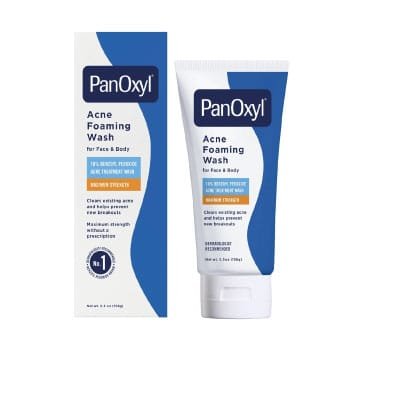
Best products: 🛒 PanOxyl Acne Foaming Wash Benzoyl Peroxide 10% — Best benzoyl peroxide cleanser for inflammatory acne. The rinse-off format reduces irritation.
🛒 La Roche-Posay Effaclar Duo+ Benzoyl Peroxide — Best leave-on benzoyl peroxide treatment. 5.5% BPO in a tolerant formula.
🛒 Differin Daily Deep Cleanser Benzoyl Peroxide 5% — Best benzoyl peroxide cleanser for acne-prone skin.
For Cystic and Nodular Acne
Winner: Neither alone—prescription needed
Cystic acne—deep, painful nodules that do not come to a head—is driven by severe follicular inflammation that OTC treatments alone rarely control adequately. Salicylic Acid vs Benzoyl Peroxide
Benzoyl peroxide as part of a regimen alongside prescription adapalene or tretinoin is the most effective OTC contribution to managing cystic acne. Salicylic acid can help prevent new comedones from forming but cannot address existing deep cystic lesions.
For cystic acne: See a dermatologist for prescription options. At home—use benzoyl peroxide as a spot treatment and adapalene (Differin, available OTC) as the primary treatment. Paula’s Choice 2% BHA can prevent new lesions from forming.
For Oily, Acne-Prone Skin: Salicylic Acid vs Benzoyl Peroxide
Winner: Salicylic Acid as primary—Benzoyl Peroxide as secondary
Oily skin’s primary acne problem is excess sebum driving pore congestion and comedone formation. Salicylic acid’s pore-clearing and mild sebum-regulation mechanism directly addresses this root cause.
Use salicylic acid as the primary treatment for consistent pore maintenance. Add benzoyl peroxide as a spot treatment when inflammatory lesions appear—targeting the bacteria in individual inflamed spots.
For Sensitive Skin: Salicylic Acid vs Benzoyl Peroxide
Winner: Salicylic Acid—lower irritation potential
Benzoyl peroxide causes significant irritation, dryness, and peeling—particularly at higher concentrations. For sensitive skin these side effects can be severe enough to cause barrier damage that worsens acne.
Salicylic acid at 0.5 to 1% is significantly better tolerated by sensitive skin—providing gentle pore clearing without the oxidative irritation that benzoyl peroxide causes.
If benzoyl peroxide is needed for inflammatory lesions on sensitive skin, use the lowest available concentration (2.5%) in a rinse-off cleanser format rather than a leave-on treatment. Rinse-off application dramatically reduces the irritation that makes leave-on BPO problematic for sensitive skin.
For Teens and Young Adults
Winner: Both—addressing both comedonal and inflammatory concerns
Teenage acne typically presents as a combination of blackheads, whiteheads, and inflammatory papules—requiring both pore clearing (salicylic acid) and bacterial management (benzoyl peroxide) on alternating applications.
A simple teen acne routine: Salicylic Acid vs Benzoyl Peroxide
- Benzoyl peroxide cleanser in the morning (rinse-off reduces irritation risk)
- Salicylic acid leave-on toner at night (3 to 4 nights per week)
- Oil-free moisturizer morning and night
- SPF 50 every morning
For Adult Acne
Adult acne—particularly hormonal acne appearing on the jaw, chin, and lower face—often has a different profile than teenage acne. It tends to be more inflammatory and less comedonal.
For adult hormonal acne: Benzoyl peroxide spot treatment on active lesions alongside salicylic acid toner for overall pore maintenance. Add adapalene (Differin) at night for the most comprehensive OTC adult acne management.
Can You Use Salicylic Acid and Benzoyl Peroxide Together?
Yes—but with important rules. Used correctly, the combination addresses both comedonal and inflammatory acne simultaneously—more comprehensively than either alone.
The Safest Combination Approaches
Approach 1 — Split morning and night: Morning: Benzoyl peroxide (cleanser or leave-on) Night: Salicylic acid (leave-on toner after cleansing)
This is the most practical and most commonly recommended combination—each ingredient works in its optimal timeframe without direct interaction. Salicylic Acid vs Benzoyl Peroxide
Approach 2 — Spot treatment plus routine treatment: Daily routine: Salicylic acid toner (pore maintenance) As needed: Benzoyl peroxide spot treatment (individual inflamed lesions only)
Approach 3 — Different days: Day 1: Salicylic acid routine Day 2: Benzoyl peroxide treatment Day 3: Rest night—ceramide moisturizer only
What NOT to Do When Combining
Never apply both simultaneously: Benzoyl peroxide is an oxidizing agent. Applying it directly over salicylic acid can cause excessive irritation and may reduce the effectiveness of both through competing chemical activity.
Never use retinol on the same night: Combining salicylic acid OR benzoyl peroxide with retinol creates over-exfoliation and significant irritation risk. Alternate—acne treatments on some nights, retinol on others.
Never layer multiple drying actives: Benzoyl peroxide plus salicylic acid plus alcohol toner plus retinol all in one session destroys the barrier and causes the barrier damage that paradoxically worsens acne.
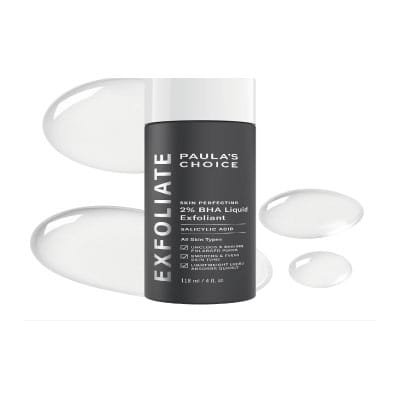
Best Leave-On Salicylic Acid—Paula’s Choice 2% BHA Liquid Exfoliant
The gold standard is 2% salicylic acid at pH 3.2 to 3.8 (optimal for BHA activity) with green tea antioxidant and methylpropanediol penetration enhancer. The only leave-on BHA is consistently recommended at the top of dermatologist lists for oily and acne-Salicylic Acid vs Benzoyl Peroxideprone skin.
🛒 Paula’s Choice Skin Perfecting 2% BHA Liquid — Best leave-on salicylic acid overall.
Best Salicylic Acid Cleanser—CeraVe Renewing SA Cleanser
2% salicylic acid combined with ceramides and hyaluronic acid in a cleanser that exfoliates without stripping—the rarest combination in acne cleansers.
🛒 CeraVe Renewing SA Cleanser — Best salicylic acid cleanser for acne-prone skin.Salicylic Acid vs Benzoyl Peroxide
Best Salicylic Acid Toner — COSRX AHA BHA Clarifying Treatment Toner
Natural BHA from willow bark water in a gentle toning formula—the best Korean salicylic acid option for beginners who find Paula’s Choice too strong.
🛒 COSRX AHA/BHA Clarifying Treatment Toner—The best gentle salicylic acid toner for beginners.
Best Salicylic Acid Pads—Medicube Zero Pore Pads
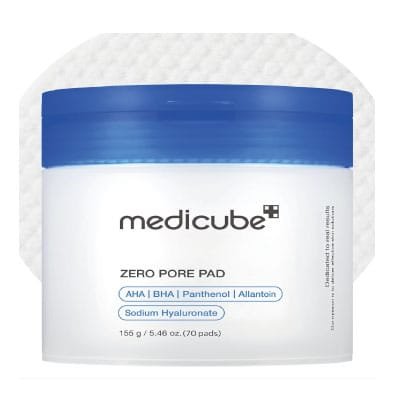
Triple-acid pads (AHA + BHA + PHA) pre-soaked for convenient application—the most comprehensive exfoliant pad available at any price point.Salicylic Acid vs Benzoyl Peroxide
🛒 Medicube Zero Pore Pads — Best salicylic acid pads for pore clearing.
Best Benzoyl Peroxide Cleanser—PanOxyl Acne Foaming Wash 10%
The most widely available and most consistently dermatologist-recommended benzoyl peroxide cleanser. 10% concentration in a rinse-off format that delivers significant antibacterial activity while the rinse-off application reduces the irritation and bleaching risk of leave-on products.
🛒 PanOxyl Acne Foaming Wash 10% — Best benzoyl peroxide cleanser overall.
Best Benzoyl Peroxide for Beginners—PanOxyl Acne Creamy Wash 4%
Lower 4% concentration in a creamy, less irritating formula—the most appropriate introduction to benzoyl peroxide for those with sensitive or dry skin.
🛒 PanOxyl Acne Creamy Wash 4% — Best benzoyl peroxide for beginners and sensitive skin.
Best Benzoyl Peroxide Spot Treatment—Neutrogena On-The-Spot Acne Treatment 2.5%
2.5% concentration in a targeted spot treatment format—clinical evidence shows 2.5% BPO is nearly as effective as 5% and 10% for bacteria killing with significantly less irritation and dryness. The ideal spot treatment concentration.
🛒 Neutrogena On-The-Spot Acne Treatment 2.5% — Best benzoyl peroxide spot treatment.
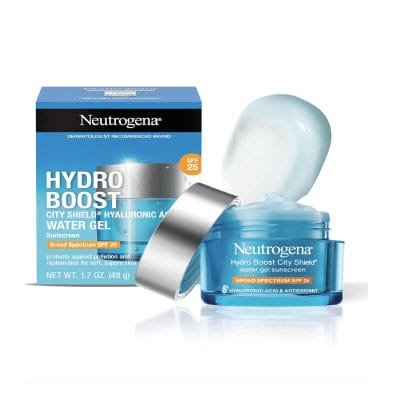
Best Leave-On Benzoyl Peroxide — La Roche-Posay Effaclar Duo+
5.5% benzoyl peroxide in La Roche-Posay’s thermal spring water base with lipo-hydroxy acid for added comedolytic action—the most comprehensive leave-on BPO treatment for moderate to severe inflammatory acne.
🛒 La Roche-Posay Effaclar Duo+ — Best premium leave-on benzoyl peroxide treatment.Salicylic Acid vs Benzoyl Peroxide
Complete Acne Routine Using Both Ingredients
Routine for Combination Acne (Comedonal + Inflammatory)
Morning:
| Step | Product | Purpose |
|---|---|---|
| 1 | PanOxyl Foaming Wash 10% | BPO cleanser—kills bacteria |
| 2 | Niacinamide 10% serum | Oil control—anti-inflammatory |
| 3 | Oil-free gel moisturizer | Hydration—barrier support |
| 4 | Non-comedogenic SPF 50 | UV protection |
Night—BHA nights (Monday, Wednesday, Friday): Salicylic Acid vs Benzoyl Peroxide
| Step | Product | Purpose |
|---|---|---|
| 1 | Gentle gel cleanser | Remove day’s buildup. |
| 2 | Paula’s Choice 2% BHA | Pore clearing—blackhead treatment |
| 3 | Wait 5 minutes. | Allow BHA to work. |
| 4 | Niacinamide serum | Additional oil control |
| 5 | CeraVe PM Lotion | Seal and barrier repair |
Night—Adapalene Nights (Tuesday, Thursday): Salicylic Acid vs Benzoyl Peroxide
| Step | Product | Purpose |
|---|---|---|
| 1 | Gentle gel cleanser | Remove day’s buildup. |
| 2 | Different Adapalene 0.1% | Most effective OTC retinoid for acne |
| 3 | Wait 20 minutes. | Allow absorption. |
| 4 | CeraVe PM Lotion | Buffer and seal |
Spot treatment: Neutrogena BPO 2.5% applied to individual inflamed lesions in the morning—on top of moisturizer and under SPF.
Benzoyl Peroxide Bleaches Fabric
This is the most practically important fact about benzoyl peroxide that many users discover the hard way. Benzoyl peroxide is an oxidizing bleaching agent—it will permanently bleach towels, pillowcases, clothing, and anything else it contacts while still active on your skin.
Solutions:
- Use white or old towels when using BPO
- Use white pillowcases or designated BPO pillowcases
- Allow BPO to fully absorb (10 to 15 minutes) before contact with fabric
- Apply BPO only as a spot treatment rather than all-over to minimize fabric contact risk
Salicylic Acid and Pregnancy
Salicylic acid at high concentrations is generally avoided during pregnancy as a precaution. Low-concentration products (0.5 to 2%) in rinse-off formats are considered lower risk, but always confirm with your OB-GYN before using any acne treatment during pregnancy.
Benzoyl peroxide is also used with caution during pregnancy—the 2.5% concentration in limited application areas is considered lower risk than higher concentrations, but again, confirm with your healthcare provider.
Salicylic acid vs benzoyl peroxide—which is better for acne?
Neither is universally better—they are better for different types of acne. Salicylic acid is better for comedonal acne (blackheads and whiteheads) because its oil solubility allows it to penetrate inside the pore and dissolve the material forming comedones. Benzoyl peroxide is better for inflammatory acne (red papules and pustules) because it directly kills Cutibacterium acnes—the bacteria responsible for inflammation. For most people with mixed acne, using both through the split morning-night protocol provides the most comprehensive results. Salicylic Acid vs Benzoyl Peroxide
Can I use salicylic acid and benzoyl peroxide together?
Yes—in the same routine but not simultaneously on the skin. The safest approach: benzoyl peroxide in the morning (cleanser or leave-on) and salicylic acid at night (leave-on toner). Never apply one directly on top of the other in the same session. Never combine either with retinol on the same night. Salicylic Acid vs Benzoyl Peroxide
Which is better for blackheads—salicylic acid or benzoyl peroxide?
Salicylic acid—clearly. Blackheads are a comedone problem caused by sebum and dead cells inside the pore—not primarily a bacterial problem. Salicylic acid’s oil solubility allows it to penetrate the sebum-lined pore and dissolve this material from within. Benzoyl peroxide’s primary mechanism (killing bacteria) does not effectively address the root cause of blackhead formation. Salicylic Acid vs Benzoyl Peroxide
Which is gentler—salicylic acid or benzoyl peroxide?
Salicylic acid is generally gentler and better tolerated. Benzoyl peroxide causes significant dryness, peeling, and irritation—particularly at concentrations above 2.5% and in leave-on formats. For sensitive skin, salicylic acid at 0.5 to 1% is significantly less irritating. If benzoyl peroxide is needed for sensitive skin, use 2.5% concentration in a rinse-off cleanser format. Salicylic Acid vs Benzoyl Peroxide
Final Thoughts—Salicylic Acid and Benzoyl Peroxide Both Have a Place
The debate between salicylic acid and benzoyl peroxide is not a debate that has a winner—it is a debate that has a context.Salicylic Acid vs Benzoyl Peroxide
If your acne is primarily blackheads and oily pores, salicylic acid is the right tool. Nothing OTC penetrates the pore and dissolves comedone material as effectively. Used consistently at the right pH and concentration, it produces pore improvements that are genuinely transformative over 8 to 12 weeks.
If your acne is primarily inflamed, red, painful papules and pustules benzoyl peroxide is the right tool. Its ability to kill C. acnes directly and without producing resistance makes it the most durable and consistently effective antibacterial acne treatment available without a prescription.