
Uneven skin tone, sun spots, melasma, and post-acne marks are some of the most common skin concerns people search for solutions to, and the market is flooded with options claiming to be the best dark spot corrector. The truth is, no single product works for everyone, since dark spots come from different causes (sun damage, hormones, inflammation, aging) and different skin tones respond differently to the same active ingredients.
This guide breaks down the best dark spot corrector by skin tone, concern, ingredient, and budget, along with an honest look at what actually works, what to avoid, and how long you should realistically expect to wait for results.
Why Dark Spots Form in the First Place
Before choosing a product, it helps to understand what you’re actually treating, since different causes respond to different ingredients:
Sun damage (solar lentigines), caused by cumulative UV exposure: these are the most common type of dark spot and respond well to most brightening ingredients combined with strict sun protection
Post-inflammatory hyperpigmentation (PIH) is marks left behind after acne, cuts, or irritation; it’s common in acne-prone skin and often the reason people search for a best dark spot corrector for acne scars
Melasma, a hormonally-driven, patchy form of pigmentation, often triggered by pregnancy, birth control, or sun exposure and is typically more stubborn and prone to recurrence than other spot types
Age spots are similar to sun damage but appear later in life, usually on the hands, face, and other frequently sun-exposed areas
Knowing which category your discoloration falls into makes a real difference in choosing the right product and setting realistic expectations for results.
What Ingredients Actually Work?
Dermatologists generally point to a specific set of proven ingredients when evaluating what makes the best dark spot remover for the face (dermatologist-recommended list):
Vitamin C, an antioxidant that inhibits melanin production and brightens overall tone, is well-tolerated by most skin types and a popular pick for a best dark spot corrector with vitamin c
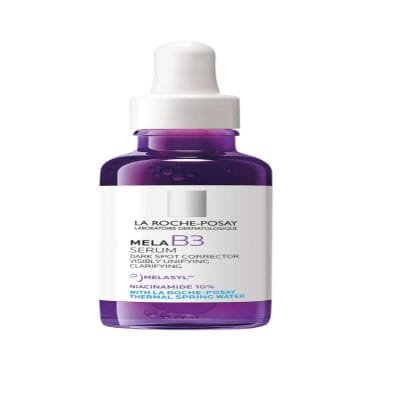
Niacinamide, reduces the transfer of pigment to skin cells and calms inflammation, making it a gentle option suitable for sensitive and acne-prone skin alike
Kojic acid, derived from fungi, inhibits melanin production; it is often found in a best dark spot corrector with kojic acid formula aimed at more stubborn discoloration
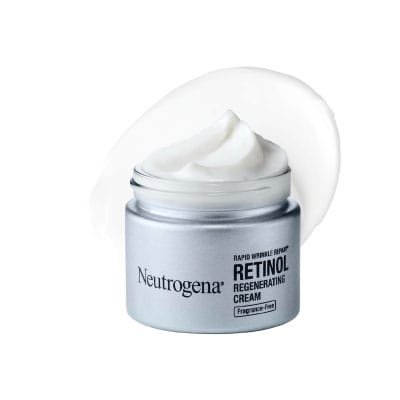
Retinoids (retinol, tretinoin) ,increase cell turnover, which helps fade existing spots and prevent new ones from settling in; found in many best dark spot corrector retinol picks
Alpha and beta hydroxy acids (AHAs/BHAs) ,exfoliate the surface layer of skin, gradually fading discoloration through cell turnover
Azelaic acid ,a gentler option, particularly well-suited to sensitive skin, rosacea, and melasma
Hydroquinone, one of the most potent depigmenting ingredients available, often used in prescription-strength formulas; effective, but should be used carefully and typically only for limited periods under guidance, since long-term or unsupervised use has been linked to skin irritation and, in rare cases, a condition called ochronosis
It’s worth understanding roughly how each of these works, since that context makes it much easier to judge whether an ingredient list actually matches your specific concern rather than just trusting a product’s marketing claims:
Best Dark Spot Corrector for Dark Skin
Darker skin tones are more prone to post-inflammatory hyperpigmentation and need extra caution with aggressive exfoliating or bleaching ingredients, which can sometimes trigger further discoloration if used too aggressively. A best dark spot corrector for dark skin typically favors gentler, cumulative ingredients like niacinamide, azelaic acid, and vitamin C over high-strength hydroquinone or harsh peels.
Best Dark Spot Corrector for Black Skin and Black Women
Similarly, formulas marketed as the best dark spot correctors for Black women or Black skin should prioritize non-irritating, barrier-friendly ingredients, since irritation itself can trigger new dark marks in deeper skin tones, a cycle that undoes the very progress you’re working toward.
Best Dark Spot Corrector for Asian Skin
Asian skin tones can range widely, but many Korean and Japanese formulas—a common search for the best dark spot corrector for Asian skin—are built around niacinamide, licorice root extract, and gentle vitamin C derivatives, reflecting a skincare culture that prioritizes brightening without aggressive exfoliation.
Best Dark Spot Corrector for Light or Fair Skin
Lighter skin tends to tolerate slightly stronger actives like retinoids and higher-percentage vitamin C without as much risk of triggering rebound pigmentation, though sun protection remains essential regardless of tone, since UV exposure is the single biggest driver of new spots forming.
Best Dark Spot Corrector by Concern
Best Dark Spot Corrector for Acne Scars
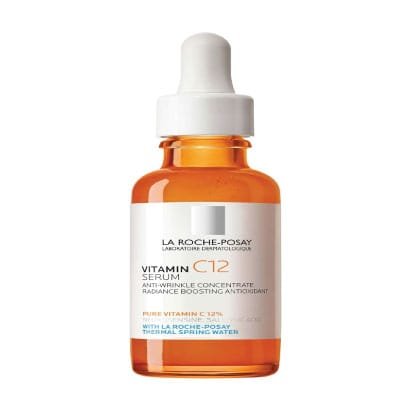
Post-acne marks respond well to a combination approach: niacinamide or vitamin C for daily brightening, paired with a retinoid or gentle exfoliating acid a few times a week to speed up cell turnover. Patience matters here; these marks often fade on their own over several months, and the right product simply speeds up a process your skin is already doing.
Best Dark Spot Corrector for Melasma
Melasma is notoriously stubborn and prone to recurrence, especially with sun exposure or hormonal shifts. The best dark spot corrector for melasma approaches usually combine azelaic acid or a dermatologist-guided hydroquinone regimen with strict, consistent SPF use; without daily sun protection, melasma treatments generally don’t hold their results.
Best Dark Spot Corrector for the Body and Hands
Body and hand skin is often thicker and slower to absorb topical treatments than facial skin. A best dark spot corrector for hands or body, picked typically, comes in a richer cream or lotion base with a slightly higher concentration of actives to compensate, alongside consistent SPF, since hands are exposed to the sun constantly and often overlooked in a skincare routine.
Best Dark Circle Corrector for Under-Eyes
Dark circles are frequently confused with dark spots, but they usually stem from different causes, thin skin, visible blood vessels, or genetics rather than sun damage or inflammation. A best dark circle eye cream typically includes caffeine (to reduce puffiness and constrict blood vessels), vitamin K, and peptides, rather than the stronger pigment-fading actives used for facial dark spots.
Best Dark Spot Corrector by Format
Best Dark Spot Corrector Serum
Serums tend to have the highest concentration of active ingredients and are usually the most effective format for consistent, visible fading over time. A best dark spot corrector serum typically layers under moisturizer and is applied once or twice daily depending on the strength of the active ingredients.
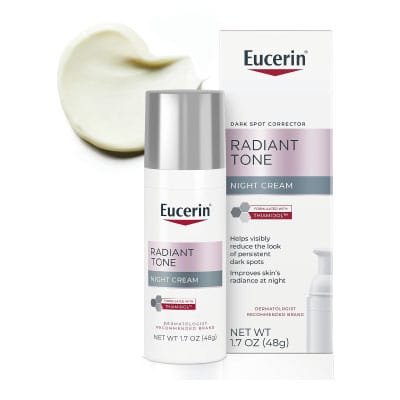
Best Dark Spot Corrector Cream
Creams offer a gentler, more hydrating delivery, often preferred for dry or mature skin that needs the pigment-correcting benefits without the drying effect some serums can have.
Best Dark Spot Corrector Toner
Toners with brightening acids offer a lighter, more gradual approach useful as a supporting step in a routine rather than a primary treatment.
Best Dark Spot Concealer and Makeup
For immediate, same-day coverage while your treatment products work in the background, a color-correcting concealer (often peach- or orange-toned for deeper skin and yellow-toned for lighter skin) can visually neutralize discoloration instantly, even though it doesn’t treat the spot itself.
Best Korean and Japanese Dark Spot Correctors
K-beauty and J-beauty brands have built strong reputations in the brightening category, often centered on niacinamide, licorice root, and glow-boosting serums. A best dark spot corrector Korean pick is often labeled a “glow serum” or “brightening ampoule,” combining multiple gentle brightening agents rather than relying on one single high-strength active, reflecting a broader K-beauty philosophy of gradual, barrier-friendly improvement over aggressive, fast results.
Best Drugstore and Budget Dark Spot Correctors
You don’t need a prestige price tag to see real results. A best dark spot corrector drugstore pick with niacinamide, vitamin C, or a modest concentration of retinol can perform comparably to pricier alternatives; the concentration and consistency of the active ingredient matter far more than the brand name or packaging. Retailers like Walmart, Target, and drugstore chains carry several well-reviewed options in this category, making it easy to start without a big investment.
Prescription vs. Over-the-Counter Options
For particularly stubborn pigmentation, a dermatologist may prescribe stronger formulations, often combining prescription-strength hydroquinone, a retinoid, and a mild steroid in what’s sometimes called a “triple combination cream.” These tend to work faster than over-the-counter options but require medical supervision, since long-term unsupervised use of high-strength hydroquinone carries risks. If over-the-counter brightening products haven’t moved the needle after several months of consistent use, it’s worth consulting a dermatologist about prescription options rather than continuously increasing store-bought product strength on your own.
Best Dark Spot Corrector During Pregnancy
Many common dark spot ingredients — including retinoids and hydroquinone — are generally avoided during pregnancy. Vitamin C, niacinamide, and azelaic acid are usually considered safer options, but you should always confirm any new skincare product with your OB-GYN or dermatologist during pregnancy, since individual guidance can vary.
Best Dark Spot Corrector with SPF
Since UV exposure is the number one trigger for new dark spots and can undo progress on existing ones, a best dark spot corrector with an SPF combination product can simplify your routine, though layering a separate, dedicated broad-spectrum sunscreen on top typically offers more reliable, complete protection than relying on a treatment product’s built-in SPF alone.
Common Mistakes That Slow Down Results
Even with a well-chosen product, a few common habits can hold back progress:
Skipping sunscreen — this is by far the biggest mistake. Even a highly effective brightening product can’t outpace daily unprotected UV exposure, which continuously stimulates new pigment production.
Combining too many strong actives at once, layering retinol, high-strength vitamin C, and an exfoliating acid all in the same routine often leads to irritation, which can paradoxically trigger more post-inflammatory pigmentation rather than less.
Expecting overnight results, most legitimate brightening ingredients work through gradual cell turnover, not instant bleaching, so realistic timelines matter for sticking with a routine long enough to see results.
Picking based on marketing terms alone, words like “brightening” or “glow” on packaging doesn’t guarantee an effective concentration of active ingredients; checking the actual ingredient list matters more than front-of-bottle claims.
Stopping treatment too early: Many people give up on a product after a few weeks, right around the point results typically start to become visible with consistent use.
How to Build a Simple Dark Spot Routine
For those new to targeting hyperpigmentation, a straightforward routine tends to work better than an overcomplicated one:
Morning: Gentle cleanser → vitamin C serum → moisturizer → broad-spectrum SPF 30 or higher Evening: Gentle cleanser → niacinamide or a gradually introduced retinoid → moisturizer
This kind of routine covers both prevention (via SPF and antioxidants) and active treatment (via niacinamide or retinoids), without overwhelming skin with too many strong ingredients at once. Once your skin has adjusted, some people add a weekly exfoliating treatment or gradually increase retinoid frequency, but starting simple and building up slowly tends to produce more consistent, lower-irritation results than starting with a five-step, ingredient-heavy routine right away.
Patch test any new product before applying to your full face, especially with stronger actives like retinoids or hydroquinone
Introduce one new active at a time, rather than combining several strong ingredients at once, to avoid irritation
Apply consistently; most brightening ingredients require weeks to months of regular use before visible fading occurs
Always follow with sunscreen during the day, since many brightening actives increase sun sensitivity and unprotected sun exposure can actively worsen the very spots you’re treating
Be patient, most dermatologists suggest giving a new dark spot product at least 8–12 weeks before judging its full effect, since skin cell turnover takes time
Frequently Asked Questions
What is the best dark spot corrector overall? There isn’t one universal answer; the most effective option depends on your skin tone, the cause of your discoloration, and how your skin tolerates active ingredients. That said, formulas combining niacinamide with vitamin C are consistently well-reviewed across most skin types for gradual, low-irritation fading.
What dark spot corrector really works the fastest? Prescription-strength options combining hydroquinone with a retinoid tend to show the fastest results, but they require dermatologist supervision. Among over-the-counter options, consistent retinol or vitamin C use tends to show visible improvement within 8–12 weeks.
Is hydroquinone safe to use for dark spots? Hydroquinone is effective but should be used cautiously. Many dermatologists recommend limiting continuous use to a set period (often a few months) rather than using it indefinitely, and it’s best introduced under professional guidance, especially for deeper skin tones more prone to irritation-triggered pigmentation.
What’s the best dark spot corrector for sensitive skin? Azelaic acid and niacinamide are generally the gentlest, most sensitive-skin-friendly options, since they offer brightening benefits with a lower risk of irritation compared to stronger acids or retinoids.
Can I use a dark spot corrector while pregnant or breastfeeding? Many common actives like retinoids and hydroquinone are typically avoided during pregnancy and breastfeeding. Vitamin C, niacinamide, and azelaic acid are generally considered safer alternatives, but you should confirm with your doctor before starting any new product.
What’s the best dark spot corrector for melasma specifically? Melasma often needs a combination approach ,azelaic acid or dermatologist-guided treatment paired with strict, daily SPF use, since melasma is particularly prone to worsening with sun exposure and can be more resistant to standard brightening ingredients than other spot types.
Do dark spot correctors work on all skin tones equally? Not exactly — deeper skin tones need extra caution with aggressive actives, since irritation itself can trigger new dark marks. Gentler, cumulative ingredients like niacinamide and azelaic acid tend to be safer long-term choices for darker skin tones.
How long does it take to see results from a dark spot corrector? Most dermatologists recommend at least 8–12 weeks of consistent use before expecting visible fading, since skin cell turnover and pigment breakdown take time. Some ingredients, like retinoids, may take even longer to show full results.
What’s the difference between a dark spot corrector and a dark circle corrector? Dark spot correctors target melanin-based discoloration (sunspots, acne marks, and melasma), while dark circle correctors target under-eye concerns often caused by visible blood vessels, thinning skin, or genetics—different causes requiring different ingredients like caffeine and peptides rather than pigment-inhibiting actives.
Is a dark spot corrector serum better than a cream? Serums generally offer a higher concentration of active ingredients and tend to be more effective for visible fading, while creams offer more hydration, a good option for dry or sensitive skin that needs a gentler approach.
Can makeup help hide dark spots while my treatment is working? Yes, a color-correcting concealer can offer same-day visual coverage while your treatment product works gradually in the background; the two approaches work well together rather than needing to choose one over the other.
Do I still need sunscreen if my dark spot corrector already contains SPF? It’s generally safer to layer a dedicated, broad-spectrum sunscreen on top rather than relying solely on a treatment product’s built-in SPF, since dedicated sunscreens are typically applied in a more generous amount and offer more reliable coverage.
Final Thoughts
There’s no single best dark spot corrector that works identically for everyone; your ideal choice depends on your skin tone, what’s actually causing your discoloration, and how much time and consistency you’re able to commit to a routine. Sun-related spots and post-acne marks generally respond well to a straightforward combination of vitamin C or niacinamide paired with diligent SPF use, while melasma and deeper, more stubborn pigmentation may require a dermatologist’s guidance for real, lasting results.
Whichever product you choose, remember that fading dark spots is a gradual process, not an overnight fix — consistency and sun protection matter more than chasing the single “strongest” product on the shelf. If you’ve been consistent for several months without seeing improvement, or if your discoloration is spreading or changing in appearance, it’s worth having a dermatologist take a look to rule out anything beyond typical hyperpigmentation.