
Layering Skin Care Routine You have spent real money on good skincare products. You apply them every morning and night. But somehow your skin is not showing the results you expected. Your serum feels like it is sitting on the surface. Moisturizer peels off. and skin still looks dull after weeks of effort. Sound familiar?
The problem is almost never the products. It is the layering.
What Skin Care Layering Means
Layering skin care is the practice of applying multiple skincare products in a deliberate, specific sequence so that each one absorbs properly, delivers its active ingredients to the correct skin depth, and works in harmony with the products applied before and after it. It is not just about putting products on your face in any order; it is about understanding how each product interacts with your skin and with the other layers around it.
Done correctly, layering skin care products turns a basic routine into a highly effective system where every product multiplies the effectiveness of the others. Done incorrectly, it creates a barrier that blocks absorption, causes pilling, triggers irritation, and wastes every product in your routine.
Why Product Order Matters
Your skin is a selective membrane. It does not absorb everything you put on it indiscriminately. Small molecule products with watery essences and lightweight serums penetrate quickly and deeply when applied to clean skin. Large molecule products, thick creams, and oils sit closer to the surface and create a partial barrier. Apply them in the wrong order, and your expensive vitamin C serum gets blocked by your moisturizer and never reaches the skin cells it was designed to treat.
Benefits of Proper Layering
When you master the layering skin care routine, the difference is visible and measurable. Active ingredients reach their target skin layers. Hydration layers build on each other, each product amplifying the next. The skin barrier strengthens because ceramides, peptides, and occlusives are applied in the correct sequence to seal and protect. And your overall skincare spend becomes more efficient because properly layered products absorb fully instead of sitting wasted on the skin surface.
Definition of Layering
Skin care layering is the sequential application of skincare products in a routine, each layer building on the last to create a complete, functional system for skin health. The concept of layering in skincare originates from the Korean skin care layering tradition, which emphasized applying multiple thin, hydrating layers rather than one thick product. This Korean skin layering approach, widely adopted in K-beauty, demonstrated that multiple light layers of hydration absorb more effectively and deliver better results than a single heavy cream.
A complete skin layering routine typically involves five to seven products applied in a specific sequence: cleanser, toner, essence, serum, eye cream, moisturizer, and SPF (morning) or facial oil (night). Each layer has a specific role and a specific placement in the sequence.
How Products Absorb Into the Skin
Your skin has three main layers: the epidermis (outer), the dermis (middle), and the hypodermis (deep). Most skincare products are designed to work in the epidermis and upper dermis, the layers responsible for hydration, barrier function, pigmentation, and early collagen structure.
Products with small molecules, hyaluronic acid, vitamin C, and retinol penetrate the deeper epidermal and upper dermal layers where they have the most impact. Products with large molecules, heavy creams, oils, and occlusives sit in the upper epidermis and on the skin surface, creating a protective barrier that seals in everything beneath.
Common Mistakes People Make
The most damaging layering mistake is applying moisturizer before serum. This is the most common reason people find their serums “don’t work” the serum is physically blocked from reaching the skin. Other frequent mistakes include skipping the wait time between layers (products need 30 to 60 seconds to begin absorbing before the next layer goes on), using too many active ingredients in the same session, applying oil-based products before water-based products, and layering too many skin care products without considering ingredient compatibility.
Why the Order of Skin Care Products Matters
Product Effectiveness
The ordinary layering chart and layering guides from dermatologists consistently show that product effectiveness is directly tied to application order. A vitamin C serum applied to clean skin achieves 40 to 60% better absorption than the same serum applied over a moisturizer. Retinol applied to clean, dry skin delivers full penetration; retinol applied over a rich cream barely reaches the epidermis..
Step Cleanser
Every layering skin care routine begins with a cleanser. You cannot layer anything effectively on dirty skin. Overnight sebum, pollution residue, dead skin cells, and night cream all need to be removed before you apply any active product. A gentle, low-pH cleanser does this without disrupting the skin barrier.
The cleanser is the foundation that makes every subsequent layer work. It is not part of the layering system itself; it creates the clean canvas that the layering system requires.
CeraVe Hydrating Facial Cleanser: Ceramides and hyaluronic acid. The most recommended cleanser for the skincare layering guide for dry and normal skin.
COSRX Low pH Good Morning Gel Cleanser Low-pH, BHA-based cleanser. Best first layer in the layering skin care routine for oily and acne-prone skin.
La Roche-Posay Toleriane Hydrating Gentle Cleanser: Ultra-gentle and fragrance-free. Best step one in the layering skin care routine for sensitive skin.

Nivea skin care routine options: The Nivea skin care routine for dry skin begins with the Nivea Moisturizing Cream Cleanser. The Nivea skin care routine for oily skin uses the Nivea Refreshing Face Wash. The Nivea skin care routine for men uses the Nivea Men Deep Cleaning Face Wash. All three are gentle, pH-appropriate first layers for their respective skin types.
Step 2: Toner
Toner is the second layer and one of the most important steps in a proper layering skin care routine. After cleansing, your skin’s pH is slightly disrupted. A good toner rebalances this pH immediately, removes any remaining cleanser residue, and most importantly, delivers the first active ingredient layer to freshly cleansed skin.
For the skincare routine order for dry skin, choose a hydrating essence-toner with hyaluronic acid. For the layering skin care routine for oily skin, choose an alcohol-free BHA toner. For sensitive skin, choose a fragrance-free Centella or green tea toner.
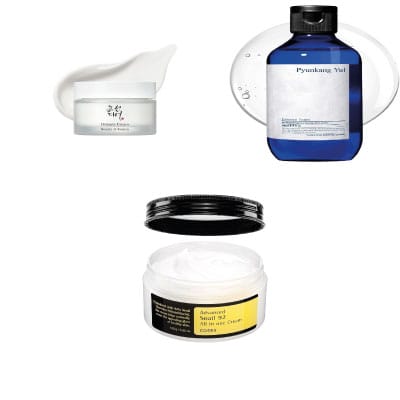
COSRX AHA/BHA Clarifying Treatment Toner Gentle BHA exfoliant toner. The second layer in the Korean skin care layering routine for oily skin.
Pyunkang Yul Essence Toner 91.7% astragalus root extract. Best second layer in the skincare layering guide for dry and sensitive skin.
Beauty of Joseon Glow Serum Toner Rice and Niacinamide. The classic second layer in the Korean skin layering morning routine.
Wait time: 30 seconds after toner before applying essence or serum.
Step 3 – Essence (Optional)
Essence is the third step in the skincare layering guide and the heart of the Korean skin care layering tradition. It is a lightweight, watery product that sits between toner and serum in terms of consistency, and it is specifically designed to boost hydration levels in the epidermis before the targeted serums that follow.
An essence is optional in a Western layering skin care routine but genuinely beneficial, particularly for the layering moisturizer for dry skin approach. The extra layer of lightweight hydration between toner and serum creates a more receptive skin surface; serums applied over a well-hydrated skin layer absorb significantly better than serums applied over dry skin.
COSRX Advanced Snail 96 Mucin Power Essence Snail secretion filtrate for hydration and repair. The most popular essence in the skincare layering guide for all skin types.
SK-II Facial Treatment Essence Pitera-rich ferment essence. The gold standard third layer in premium layering skin care routines.
Step 4 Serum
The serum is the most powerful layer in the entire layering skin care system and the step with the most variation depending on your skin concerns. Serums are formulated with the smallest molecules and highest active ingredient concentrations of any product in your routine. In the correct layering skin care order, serums always go before moisturizer
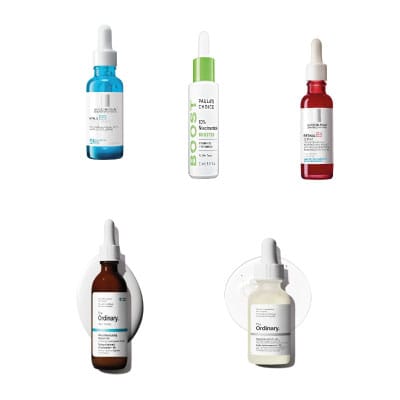
The Ordinary Hyaluronic Acid 2% + B5 Multiple Molecular Weight HA. The first serum in any layering serum approach for all skin types.
The Ordinary Niacinamide 10% + Zinc 1% goes after HA serum. Best niacinamide layer in the “How to Use the Ordinary Products” step-by-step morning routine.
The Ordinary Buffet Multi-Peptide Serum The ordinary best peptides formula. Excellent fourth-step serum for the layering skin care routine for aging skin.
SkinCeuticals HA Intensifier The SkinCeuticals HA Intensifier review consensus is unanimous: one of the most effective hyaluronic acid serums available. Best serum for the layering moisturizer for the dry skin approach.
SkinCeuticals Retinol 0.5: The SkinCeuticals retinol is one of the most stable and well-formulated retinols available. For the layering skin care with the retinol night approach, this goes as the fourth step at night, after toner and before moisturizer.
Step 5 Eye Cream
Eye cream is the fifth layer in the correct layering skin care products sequence. The skin around the eyes is 10 times thinner than the rest of the face; it absorbs products differently and has different hydration and treatment needs. An eye cream goes before your regular moisturizer so it can absorb without being diluted by a heavier product.
Apply with your ring finger, the one that applies the lightest natural pressure. Tap gently around the orbital bone. Never pull or rub.
Kiehl’s Creamy Eye Treatment with Avocado: Rich and deeply nourishing. Perfect fifth layer for the layering skin care routine for dry skin around the eyes.
COSRX Advanced Snail Peptide Eye Cream Lightweight peptide formula. Excellent fifth layer in the layering skin care routine for all skin types.
Step 6—Moisturizer
Moisturizer is the sixth layer in the layering skin care sequence and the step that locks in everything you have applied before. It creates a semi-occlusive barrier on the skin surface that slows moisture evaporation and allows all your active layers to continue absorbing and working undisturbed.
In layering skin care products correctly, moisturizer always follows serum; it never precedes it. For the layering moisturizer for dry skin approach, choose a rich cream with ceramides, shea butter, and peptides. For oily skin, a lightweight gel. For sensitive skin, a fragrance-free ceramide formula.
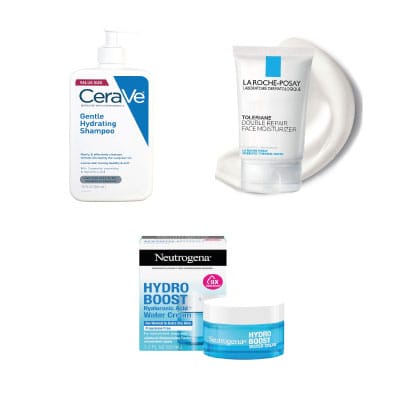
CeraVe Moisturizing Cream: Three ceramides and hyaluronic acid. The most recommended sixth layer in the layering skin care routine for normal to dry skin.
Neutrogena Hydro Boost Water Gel Oil-Free Hyaluronic Acid Gel. Best lightweight sixth layer for the layering skin care routine for oily skin.
La Roche-Posay Toleriane Double Repair Moisturizer Prebiotic Thermal Water and ceramides. Best sixth layer for the morning skin care layering routine for sensitive skin.
Nivea skin care set options for moisturizer: The Nivea Soft Refreshingly Soft Moisturizing Cream works as a lightweight sixth layer in the Nivea skin care routine for men and the Nivea skin care routine for oily skin. For the Nivea skin care routine for dry skin, the Nivea Rich Nourishing Body Cream doubles as a body moisturizer in the “how-to-layer-body-care-products” approach.
Step 7 – Sunscreen (Morning Routine)
Sunscreen is the seventh and final layer of the morning layering skincare routine and the most important product in the entire system. In the correct order of layering skin products for the morning, SPF always comes last. Nothing goes on top of sunscreen. Applying moisturizer or serum over sunscreen dilutes the UV filters and dramatically reduces protection.
For layering skin care and makeup after your SPF has absorbed for 2 to 3 minutes, you can apply primer and then foundation. Never sandwich SPF between skincare and makeup without giving it time to absorb first.
EltaMD UV Clear Broad-Spectrum SPF 46 is niacinamide-infused and non-comedogenic. The most recommended final layer in any skincare layering guide.
Supergoop Unseen Sunscreen SPF 40 Weightless and Invisible. Perfect final morning layer in the layering skin care and makeup routine.
La Roche-Posay Anthelios Melt-In Milk SPF 60 Broad-spectrum protection for all skin types. Best premium final layer in the morning skin care layering rout
Layering Skin Care by Skin Type
Oily Skin
The layering skin care routine for oily skin keeps every layer lightweight and non-comedogenic. Morning: low-pH gel cleanser → BHA toner → HA serum → niacinamide serum → oil-free gel moisturizer → mattifying SPF 50. Night: double cleanse → BHA toner → retinol (3 nights/week) → lightweight gel cream.
Key principle: every layer must absorb completely before the next one goes on. Oily skin has higher sebum levels that can slow product absorption give each layer a full 60 seconds before proceeding.
Dry Skin
The layering skin care routine for dry skin builds hydration at every layer. Morning: cream cleanser → hydrating essence toner → HA essence → HA serum → peptide serum → rich ceramide moisturizer → SPF 50. Night: balm cleanser → gentle cleanser → hydrating toner → peptide serum → rich night cream → facial oil as final seal.
The layering moisturizer for dry skin principle, multiple thin hydrating layers rather than one heavy product, is the core philosophy of the Korean skin care layering approach that works best for chronically dry skin.
Differences Between AM and PM Routines
The morning layering skin care routine is built for protection. Every layer supports the skin’s ability to withstand UV radiation and environmental stress. Vitamin C, SPF, and antioxidants are morning-specific layers. The sequence is fixed and consistent every day.
The layering skin care at night routine is built for repair and treatment. This is where your most powerful actives go: retinol, AHAs,BHAs, and, prescription treatments. The night routine has more variation than the morning exfoliation nights, retinol nights, and recovery nights (simple cleanser and moisturizer only) are all part of a complete layering skin care routine.
Products to Use at Night
Retinol/tretinoin goes as the treatment layer after toner, before moisturizer. For how to layer skincare with retinol, apply to dry skin after toner, wait 20 minutes, then apply moisturizer on top.
AHA/BHA exfoliants go as the treatment layer 2 to 3 nights per week instead of retinol.
Facial oil goes as the absolute final layer after night cream. Oil seals everything in overnight.
For layering skin care products with tretinoin identical to retinol layering. Cleanser → toner → dry wait 20 minutes → tretinoin → wait 20 minutes → moisturizer. Never apply tretinoin to damp skin; it penetrates too aggressively and causes irritation.
Using Too Many Products
Layering too many skin care products is the most common mistake and one of the most damaging. Using five or six active serums in the same routine overloads the skin barrier, causes irritation, and often cancels out the benefits of individual actives. A well-designed layering skin care routine uses two to three serums maximum, each chosen for compatibility and complementary function.
Benzoyl Peroxide + Retinol
Benzoyl peroxide oxidizes retinol and deactivates it completely on contact. Using both together in the same routine layer means your retinol delivers zero benefit. If you use benzoyl peroxide for acne, apply it in the morning and retinol at night, never together, never in the same layer.
Strong Acids + Vitamin C
Pure L-ascorbic acid vitamin C and strong AHAs (30%+ glycolic, high-concentration lactic) should not be applied in the same layer or back-to-back without a wait time. Both are acidic, and both can irritate when combined. Apply vitamin C in the morning and AHA exfoliants at night on separate evenings. Lower-concentration AHA toners (7% glycolic) can be used in the morning after vitamin C if skin tolerates it, but patch test first.
Can I Use Multiple Serums Together?
Yes, with the right approach. How to layer face serums correctly: apply in order from thinnest to thickest consistency. Maximum two to three serums per routine. Check compatibility; never layer retinol with AHA or vitamin C with strong niacinamide if your skin is reactive, or benzoyl peroxide with retinol. Does layering skin care products work? Absolutely, when done correctly, multiple compatible serums deliver compounded benefits.
Is Layering Skin Care Necessary?
Not for a basic routine. A three-product routine cleanser, moisturizer, and SPF done consistently is completely effective. But layering skin care products allows you to address multiple skin concerns simultaneously: hydration, brightness, aging, and pore size in a single routine. For anyone with specific skin concerns, a proper layering skin care routine delivers significantly better results than a single moisturizer alone.
Conclusion
Mastering the layering skin care system is the single biggest upgrade you can make to your skincare routine without buying a single new product. The correct order of layering skin products transforms how effectively every product you already own works. Thinnest to thickest. Actives before barriers. Water before oil. SPF always lasts.
The key takeaways from this complete skincare layering guide: always cleanse first, always apply serums before moisturizer, never put oil before water-based products, give each layer 30 to 60 seconds to absorb before the next, and never skip SPF as your final morning layer.