Best Cleansers: Best Skincare Products
Cleansing is the foundation of any routine, and using the wrong cleanser can undo the benefits of every product that follows.
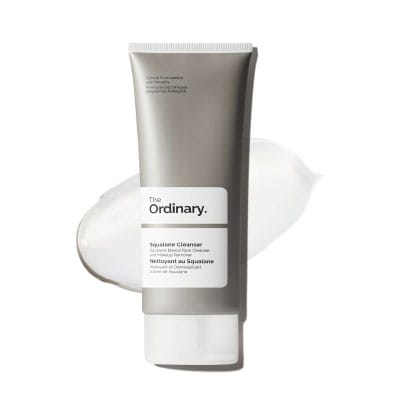
Best for normal/combination skin: Gel or foaming cleansers with mild surfactants that remove dirt and oil without stripping the skin. Look for ingredients like glycerin or panthenol added back in to offset any drying effect from the surfactants.
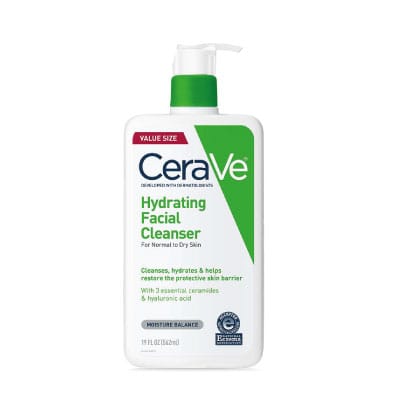
Best for dry/sensitive skin: Cream or milk-based cleansers, often labeled “non-foaming” or “hydrating.” These use gentler cleansing agents and often include ceramides or fatty acids to support the barrier while cleansing.
Best for oily/acne-prone skin: Foaming cleansers with salicylic acid (BHA) provide a light chemical exfoliation while cleansing, helping to keep pores clear. Avoid cleansers with high alcohol content, which can trigger a rebound increase in oil production.
Best double-cleansing option: An oil-based cleanser or balm used first to dissolve makeup and sunscreen, followed by a gentle water-based cleanser. This method, borrowed from Korean and Japanese skincare traditions, is considered one of the most effective ways to ensure skin is fully clean without over-scrubbing.
Best Serums: Best Skincare Products
Serums are where the most potent, concentrated actives live, making them arguably the most important product category for addressing specific skin concerns. best skincare products
Best for brightening/uneven tone: Vitamin C serums (look for L-ascorbic acid, or gentler derivatives like sodium ascorbyl phosphate for sensitive skin) at concentrations between 10-20%. Vitamin C also provides antioxidant protection against environmental damage.
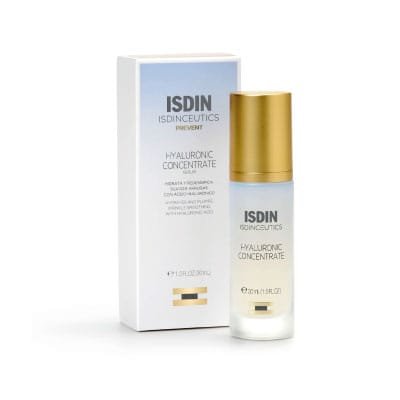
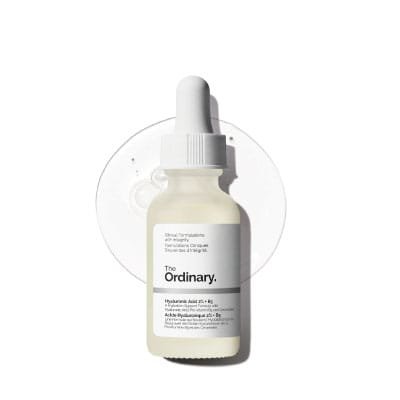
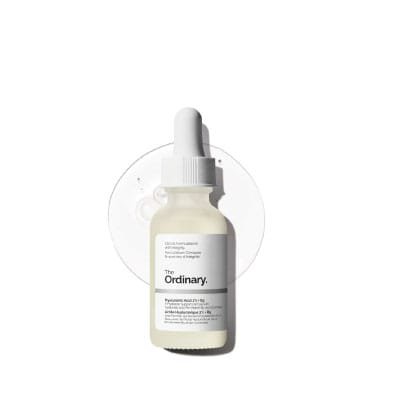
Best for hydration: Hyaluronic acid serums, ideally formulated with multiple molecular weights of HA to hydrate at different skin depths. Applying to damp skin significantly boosts effectiveness.
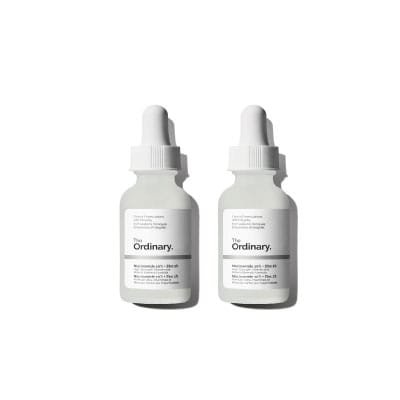
Best for oil control and redness: Niacinamide serums (typically 5-10% concentration) help regulate sebum production, reduce the appearance of pores, and calm redness—making this one of the most universally tolerated actives across skin types.
Best for anti-aging: Retinol or retinoid serums remain the most well-researched anti-aging ingredient available, boosting cell turnover and stimulating collagen production. Peptide serums are a gentler complementary option for those who can’t tolerate retinoids.
Best for texture and dullness: AHA serums (glycolic or lactic acid) chemically exfoliate the surface layer of skin, revealing smoother, brighter skin underneath.
Best Moisturizers: Best Skincare Products
The right moisturizer seals in hydration from prior steps and reinforces the skin barrier.
Best for dry skin: Rich, cream-based moisturizers containing ceramides, cholesterol, and fatty acids — the same lipids naturally found in a healthy skin barrier — combined with humectants like glycerin.
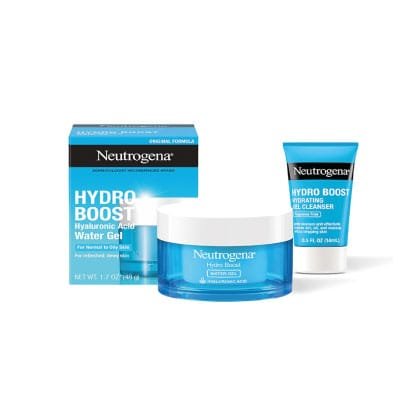
Best for oily/acne-prone skin: Lightweight, gel-based, oil-free moisturizers labeled “non-comedogenic.” Despite common belief, oily skin still needs moisturizer; skipping it often worsens oiliness.
Best for sensitive skin: Fragrance-free formulas with minimal ingredient lists, often including soothing agents like centella asiatica, oat extract, or allantoin.
Best for mature skin: Richer moisturizers combined with peptides or ceramides to support the barrier, which tends to weaken and produce less natural oil with age. Best Skincare Products
Best night moisturizer: Slightly heavier formulas or facial oils (like squalane, rosehip, or marula oil) that support overnight repair without the need to consider makeup application.
Best Sunscreens: Best Skincare Products
If there’s one category where “best” truly matters most, it’s sunscreen since UV damage is the leading cause of premature skin aging and uneven tone.
Best mineral sunscreen: Formulated with zinc oxide and/or titanium dioxide, these are generally better tolerated by sensitive and acne-prone skin and provide immediate protection upon application.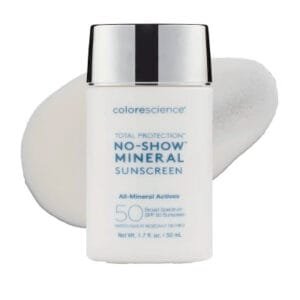
Best chemical sunscreen: Formulated with filters like avobenzone or octocrylene, these tend to have a lighter, more cosmetically elegant finish, making them popular for daily wear under makeup.
Best tinted sunscreen: Combines SPF protection with light coverage and, often, iron oxides that help protect against visible light and blue light in addition to UV rays. best skincare products
Best sunscreen for oily skin: Matte-finish, gel, or fluid formulas that control shine throughout the day.
Regardless of type, look for “broad-spectrum” protection (covering both UVA and UVB rays) and SPF 30 or higher, and reapply every two hours during extended sun exposure. Best Skincare Products
Best Exfoliants: Best Skincare Products
Exfoliation removes the buildup of dead skin cells that causes texture issues and dullness, but the “best” choice depends heavily on skin sensitivity.
Best chemical exfoliant for beginners: Lactic acid, a gentler AHA that also has humectant properties, making it a good entry point for those new to acids.
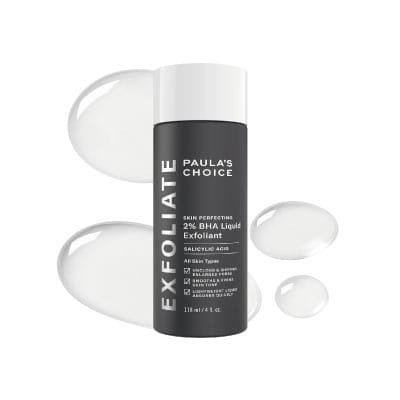
Best chemical exfoliant for acne-prone skin: Salicylic acid (BHA), which is oil-soluble and can penetrate into pores to clear congestion and reduce breakouts. best skincare products
Best physical exfoliant: Soft, fine-grain scrubs or muslin cloths used gently — physical exfoliants carry more risk of micro-tearing than chemical options and should be used sparingly.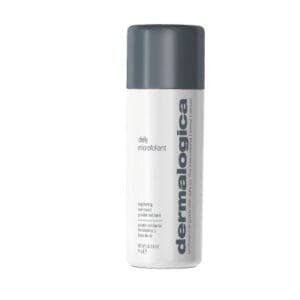
Best for advanced users: Glycolic acid, the smallest AHA molecule, penetrates deeply and delivers more dramatic resurfacing effects but carries a higher risk of irritation for beginners.
Best Treatments for Specific Concerns
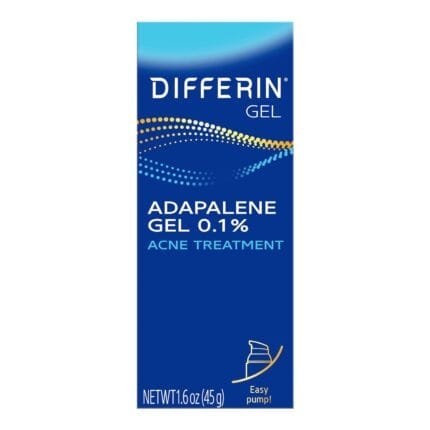
Best for acne: Benzoyl peroxide remains one of the most effective over-the-counter treatments for killing acne-causing bacteria, while salicylic acid helps keep pores clear on an ongoing basis.
Best for dark spots/hyperpigmentation: Ingredients like vitamin C, niacinamide, alpha arbutin, and azelaic acid all work through different mechanisms to fade discoloration over consistent use.
Best for fine lines and wrinkles: Retinoids remain the gold standard, supported by peptides and, for more advanced concerns, prescription-strength options available through a dermatologist.
Best for redness/rosacea-prone skin: Azelaic acid and centella asiatica-based products help calm inflammation without the irritation potential of stronger actives.
Best for dehydrated skin: Layering humectants (hyaluronic acid, glycerin) with an occlusive (like petrolatum or a facial oil) locks moisture into the skin most effectively.
Best Eye Creams: best skincare products
The eye area has thinner skin and often shows the first signs of fatigue or aging.
Best for puffiness: Formulas with caffeine, which temporarily constricts blood vessels to reduce the appearance of puffiness.
Best for dark circles: Vitamin K or niacinamide-based formulas can help with discoloration, though genetics and blood vessel visibility play a large role that topical products can only partially address.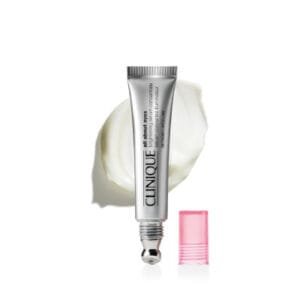
Best for fine lines: Peptide-based eye creams, sometimes combined with a gentle retinol formulated specifically for the delicate eye area.
Best Face Masks: best skincare products
Best hydrating mask: Sheet masks or overnight gel masks saturated with hyaluronic acid and soothing ingredients, ideal for a quick hydration boost.
Best clarifying mask: Clay-based masks (kaolin or bentonite clay) that absorb excess oil and draw out impurities from congested pores are best used on oily or combination areas.
Best brightening mask: Vitamin C or niacinamide-infused masks used weekly to support an even, radiant tone.
Best exfoliating mask: AHA/BHA-based masks that provide a more concentrated exfoliating treatment than a daily serum, typically used once or twice weekly. Best Skincare Products
How to Build a Complete Routine From These Categories
You don’t need every product from every category above—that would be overwhelming and unnecessary. A strong, effective routine typically includes:
Morning: Cleanser → Vitamin C serum → Hydrating serum → Moisturizer → Sunscreen
Evening: Cleanser (double cleanse if wearing makeup/SPF) → Exfoliant (2-3x weekly) or treatment serum → Hydrating serum → Moisturizer or facial oil
Weekly additions: A mask suited to your primary concern, plus an eye cream if you’re targeting that area specifically.
Start simple. A cleanser, moisturizer, and sunscreen alone will meaningfully improve most people’s skin. From there, layer in one new active at a time, giving your skin 4-6 weeks to respond before judging its effectiveness or adding another.
Common Mistakes When Choosing Skincare Products
Chasing trends over ingredients. Viral products aren’t always formulated well. Always check the ingredient list rather than relying on packaging claims or social media hype. Best Skincare Products
Using too many actives at once. Combining retinol, strong acids, and vitamin C all in the same routine often leads to irritation rather than faster results. Introduce one active at a time.
Ignoring your skin type. A product marketed as “best-selling” may not be best for your specific skin type or concern. Formulation matters more than popularity.
Overpaying for marketing, not efficacy. Price doesn’t always correlate with effectiveness. Many well-formulated, effective products are available at accessible price points, while some expensive products contain the same core ingredients as budget alternatives.
Not patch testing. Especially with new actives, patch test on a small area of skin (like behind the ear or on the inner arm) for 24-48 hours before applying to your full face. best skincare products
Expecting overnight results. Skin cell turnover takes weeks, not days. Most effective products need 4-12 weeks of consistent use before their full benefits are visible. best skincare products
Based on the categories in the post, if I had to boil it down to the highest-impact picks for most people, it’s these:
The non-negotiable core:
Sunscreen (broad-spectrum SPF 30+) — the single most important product for preventing dullness, uneven tone, and premature aging
Gentle, hydrating cleanser—sets up everything else to actually work
A well-formulated moisturizer for your skin type (gel for oily, cream/ceramide-based for dry)
The highest-value actives to add next:
Niacinamide serum is most universally tolerated and helps with oil control, redness, and pores
Vitamin C serum (AM) — brightening + antioxidant protection
Retinol (PM)—the most well-researched anti-aging ingredient, also helps texture and tone over time
If someone can only buy three things, they’re sunscreen, a decent moisturizer, and a niacinamide or vitamin C serum — that combination alone meaningfully improves most skin within a few weeks.
Want me to turn this into a shorter, standalone “Top 5 Products” round-up post for the site — the kind of format that ranks well for buyer-intent keywords like “best skincare products 2026”?
How to Read a Skincare Label Like an Expert
When comparing products within a category, a few label-reading habits go a long way:
Check ingredient order. Ingredients are listed by concentration, so actives listed near the end of a long list are likely present in very small amounts.
Look for concentration percentages when brands disclose them (common for vitamin C, niacinamide, and acids) to gauge whether the product will be effective at that level.
Watch for fragrance and essential oils if you have sensitive or reactive skin, as these are among the most common causes of irritation.
Note the pH, especially for exfoliating acids and vitamin C, since these ingredients need specific pH ranges to be effective and stable.
Final Thoughts: Best Skincare Products
The best skincare products share a few things in common: proven active ingredients, thoughtful formulation, and a good match to your specific skin type and concerns. There’s no single “holy grail” product that works identically for everyone, which is why understanding categories and ingredients — rather than chasing whatever’s trending — leads to far better long-term results. Best Skincare Products
Start with the fundamentals: a gentle cleanser, a well-formulated moisturizer, and daily sunscreen. From there, build outward with targeted serums and treatments based on your specific goals, whether that’s brightening, hydration, anti-aging, or acne control. Give each addition time to work, and don’t be afraid to simplify your routine if your skin starts to react. The best skincare routine isn’t the most expensive or complicated one—it’s the one you can stick with consistently and that’s genuinely suited to your skin. Best Skincare Products
Frequently Asked Questions: Best Skincare Products
What are the most important skincare products to invest in? If you can only prioritize a few, cleanser, moisturizer, and sunscreen form the non-negotiable foundation. From there, a vitamin C serum and a retinol or niacinamide product offer the most noticeable improvements for most skin concerns.
Are expensive skincare products always better? No. Effectiveness depends on the concentration and formulation of active ingredients, not price. Many affordable products contain the same core actives as luxury alternatives, sometimes at comparable or even higher concentrations.
How many skincare products should I use in my routine? Most effective routines use 4-6 products: a cleanser, one or two serums, a moisturizer, and sunscreen (in the morning). More isn’t necessarily better — using too many products, especially actives, increases the risk of irritation.
Can I use vitamin C and niacinamide together? Yes, in most modern formulations these ingredients are stable and compatible together, despite older claims that they cancel each other out. If your skin is sensitive, you can still separate them into AM and PM use as a precaution.
What ingredients should beginners start with? A gentle cleanser, a basic moisturizer, a hyaluronic acid serum, and daily sunscreen are ideal starting points. From there, niacinamide is a well-tolerated, low-irritation active to introduce first before moving on to stronger options like retinol or acids.
How do I know if a product is actually working? Give any new product at least 4-6 weeks before evaluating results, and use consistent lighting and angles for before-and-after photos, since day-to-day changes are often too subtle to notice without a longer comparison window.
Is it bad to switch skincare products frequently? Yes, frequent switching prevents your skin from having enough time to show whether a product is actually working and can also increase the risk of irritation as skin repeatedly adjusts to new formulations.
Do natural or organic skincare products work better than synthetic ones? Not necessarily. Effectiveness comes down to the specific ingredient and its concentration, not whether it’s labeled “natural.” Some natural ingredients are well-researched and effective, while others lack strong evidence, and the same is true of synthetic ingredients. Best Skincare Products
What’s the best order to apply skincare products? Generally, apply from the thinnest to thickest consistency: cleanser, toner or essence, serums, spot treatments, moisturizer, and finally sunscreen in the morning or a facial oil at night. Best Skincare Products
Should I choose products based on skin type or skin concern? Ideally both. Skin type (oily, dry, combination, sensitive) determines the formulation and texture you should look for, while your specific concern (acne, aging, hyperpigmentation) determines which active ingredients to prioritize within that formulation.
Reviews
There are no reviews yet.