Acne-Prone Skin: Causes, Symptoms, and the Best Skincare Routine (2026 Guide)
Acne-prone skin requires a gentle yet effective skincare routine to control breakouts, reduce excess oil, and maintain a healthy skin barrier. Whether you experience occasional pimples or frequent acne, using the right products and ingredients can make a significant difference. In this guide, you’ll learn what acne-prone skin is, what causes it, and how to build the best skincare routine for clearer skin.
What Is Acne-Prone Skin?
Acne-prone skin is skin that is more likely to develop pimples, blackheads, whiteheads, and cystic acne. This skin type often produces excess oil (sebum), but acne can also occur on normal, combination, or even dry skin. Hormones, genetics, stress, and certain skincare products can all contribute to breakouts.
Common Signs of Acne-Prone Skin
Frequent pimples or breakouts
Blackheads and whiteheads
Enlarged or clogged pores
Oily or combination skin
Redness and inflammation
Acne scars or dark spots after blemishes heal
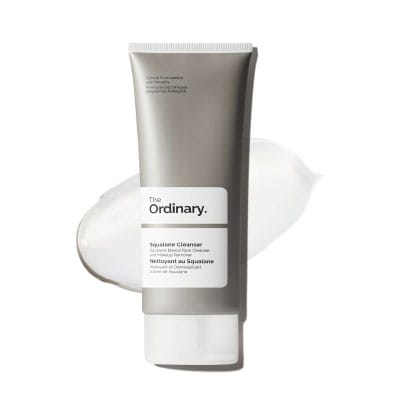
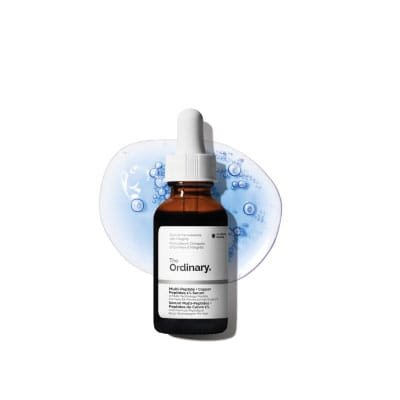
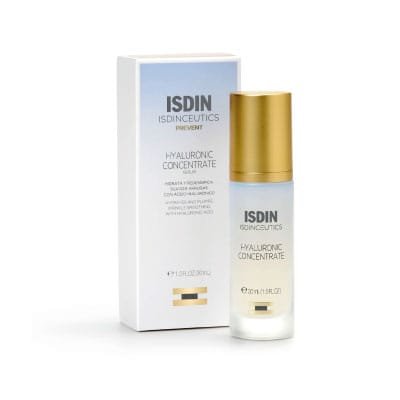
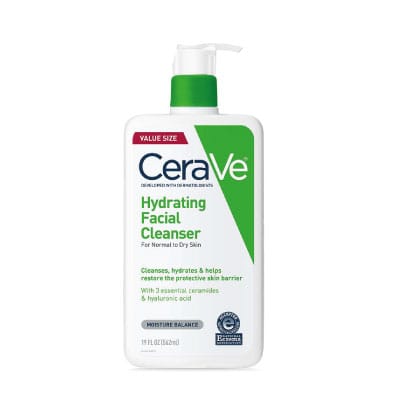
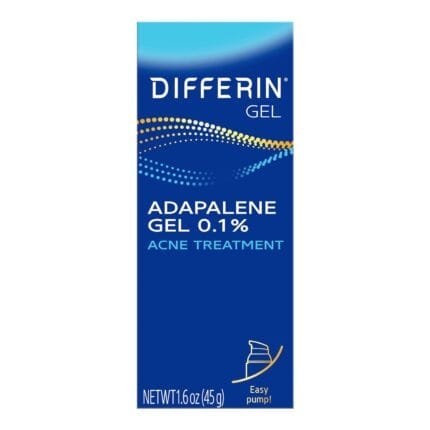
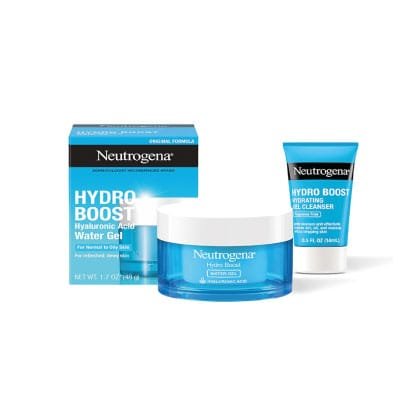
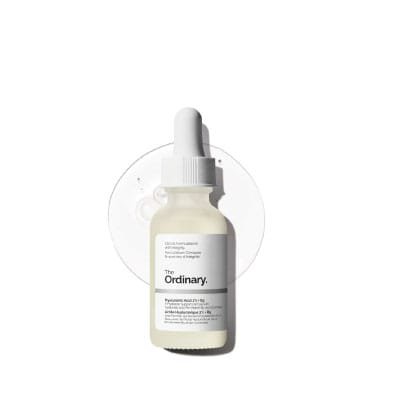
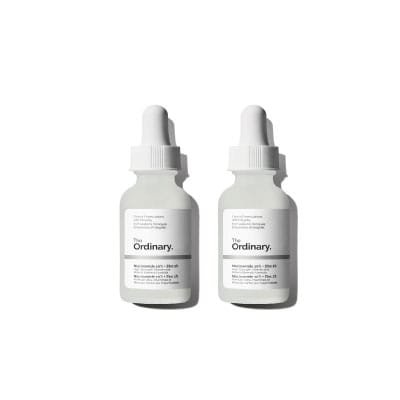
Best Ingredients for Acne-Prone Skin
Look for skincare products that contain these proven ingredients:
Salicylic Acid
Penetrates deep into pores to remove excess oil and dead skin cells, helping prevent blackheads and pimples.
Benzoyl Peroxide
Reduces acne-causing bacteria and helps treat inflammatory breakouts.
Niacinamide
Controls oil production, calms redness, and strengthens the skin barrier.
Retinol
Speeds up skin cell turnover, improves skin texture, and helps prevent clogged pores.
Azelaic Acid
Reduces redness, fades post-acne marks, and helps treat mild to moderate acne.
Hyaluronic Acid
Provides lightweight hydration without clogging pores.
Ingredients to Avoid
If you have acne-prone skin, avoid products that may clog pores or irritate your skin, such as:
- Heavy oils
- Thick greasy creams
- Alcohol-based toners
- Strong fragrances
- Harsh physical scrubs
Choose products labeled non-comedogenic, oil-free, and dermatologist-tested whenever possible.
Best Skincare Routine for Acne-Prone Skin
Morning Routine
- Gentle cleanser
- Niacinamide serum
- Lightweight oil-free moisturizer
- Broad-spectrum SPF 30 or higher sunscreen
Evening Routine
- Gentle cleanser
- Salicylic acid or benzoyl peroxide treatment
- Retinol (2–3 nights per week, if tolerated)
- Lightweight moisturizer
Consistency is more important than using many products. Introduce new active ingredients gradually to reduce irritation.
Tips for Preventing Breakouts
Wash your face twice a day.
Avoid picking or squeezing pimples.
Remove makeup before sleeping.
Clean makeup brushes regularly.
Change pillowcases every few days.
Use non-comedogenic skincare and makeup.
Wear sunscreen daily to help prevent acne marks from becoming darker.
What is the best ingredient for acne-prone skin?
Salicylic acid is one of the most effective ingredients because it helps unclog pores and reduce excess oil. Benzoyl peroxide is another excellent option for treating inflammatory acne.
Can oily skin and acne-prone skin be different?
Yes. Many people with oily skin are acne-prone, but acne can also affect people with normal, combination, or dry skin.
Should acne-prone skin use moisturizer?
Yes. A lightweight, oil-free moisturizer helps protect the skin barrier and may reduce irritation caused by acne treatments.
How long does it take to see results?
Most acne treatments take 6 to 12 weeks of consistent use before significant improvement is visible.
Final Thoughts
Managing acne-prone skin takes patience and consistency. Focus on gentle cleansing, proven ingredients like salicylic acid, niacinamide, and retinol, and always protect your skin with sunscreen. By following a simple routine and choosing non-comedogenic products, you can reduce breakouts, improve skin texture, and maintain a healthier complexion over time.