
Last updated: November 2026. Some links on this page are affiliate links, which means we may earn a small commission if you buy, at no extra cost to you. As an Amazon Associate, we earn from qualifying purchases. This guide is general information, not medical advice. Beauty Care
Beauty care covers a lot of ground: face wash and moisturizer, hair care, nails, makeup, tools, and even visits to a salon or spa. Search for it and you will find everything from product lists to career courses. That is exactly why it feels confusing.
This guide pulls it together in one place. You will learn what beauty care means, which products and tools are worth owning, how to build a simple routine at home, how to care for your face, hair, and nails, how to choose a salon safely, and how to shop online without getting fooled by fake products. At the end there is a 30-day starter plan you can follow. Beauty Care
What is beauty care, and what does it include?
Beauty care means the habits, products, and services you use to keep your skin, hair, nails, and body clean, comfortable, and healthy. It has three parts:
Everyday care at home: cleansing, moisturizing, sun protection, hair washing, nail care, and grooming.
Products and tools: cleansers, creams, serums, face packs, shampoos, brushes, curlers, razors, and styling tools.
Professional services: salons, spas, parlors, and clinics that offer facials, haircuts, nail services, and similar treatments.
Good beauty care is not about looking like someone else. It is about caring for what you have in a way that fits your skin, your budget, and your time.
Why is beauty care important? Beauty Care
Skin is your body’s outer barrier. When it is cared for, it holds water better, copes better with the weather, and is more comfortable. Daily sun protection helps limit UV damage, which is a major cause of visible aging and dark marks. Gentle cleansing removes sweat, oil, sunscreen, and makeup that can clog pores.
There is also a personal side. Many people find that a short, calm routine helps them feel more in control of their day. Beauty care can be a small moment of rest, and that matters too. What it should never be is a source of stress or a way to chase unrealistic standards.
What are the best beauty care products?
Here are the quick picks. Details follow further down. Beauty Care
Gentle face wash: CeraVe Hydrating Facial Cleanser
Gel cleanser for oily or blemish-prone skin: La Roche-Posay Effaclar Medicated Gel Cleanser
Facial cream and moisturizer: CeraVe Moisturizing Cream
Sunscreen for sensitive or acne-prone skin: EltaMD UV Clear Broad-Spectrum SPF 46
Popular Korean sunscreen: Beauty of Joseon Relief Sun
Gentle exfoliant: Paula’s Choice Skin Perfecting 2% BHA
Everyday serum: The Ordinary Niacinamide 10% + Zinc 1%
Hydrating essence: COSRX Advanced Snail 96 Mucin Power Essence
Barrier and dry patches: Aquaphor Healing Ointment
How did we choose these products?
We want to be upfront: we have not personally tested every product on this list, and we will not pretend that we did. These picks come from three things: dermatologist-quoted routines and roundups published in 2026, product features, and how often a product keeps appearing as a recommendation. Reports from health systems and news outlets agree on the basics: a gentle cleanser, a moisturizer that fits your skin type, and a broad-spectrum sunscreen of at least SPF 30.
Formulas, prices, and availability change, so always check the current ingredient list, reviews, and the seller before you buy.
What does a simple beauty care routine look like?
Most dermatologists quoted in recent coverage keep it simple: gentle cleansing, moisturizer, sunscreen, and one targeted treatment only if you have a specific concern.
Morning
- Rinse with water or use a gentle face wash.
- Apply moisturizer.
- Apply broad-spectrum sunscreen of SPF 30 or higher.
Night
- Remove sunscreen and makeup. A cleansing milk, balm, or oil works well, followed by your regular face wash.
- Apply a treatment on set nights only, such as a gentle exfoliant or retinoid.
- Apply moisturizer or a night cream.
If you want a deeper walk-through, our Korean skincare routine guide explains the layered approach.
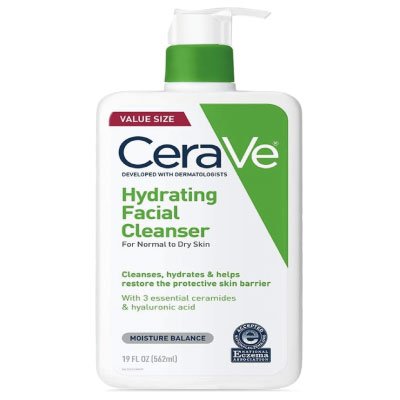
1. CeraVe Hydrating Facial Cleanser — Best Gentle Face Wash
A non-foaming, fragrance-free cleanser that shows up in dermatologist-style roundups. It suits dry, normal, and sensitive skin and is easy to find.
Best for: everyday face washing without a tight feeling
Keep in mind: very oily skin may prefer a gel formula.
2. La Roche-Posay Effaclar Medicated Gel Cleanser — Best for Oily, Blemish-Prone Skin
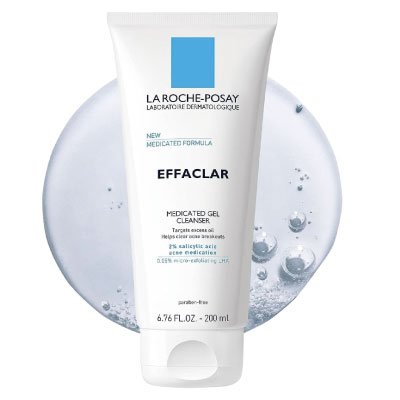
A 2026 Who What Wear oily-skin routine picked this as the best cleanser, and it is a medicated gel aimed at shine and breakouts.
Best for: oily and acne-prone skin
Keep in mind: medicated cleansers can dry some skin, so start once a day and watch how your skin responds.
Check the current price:
3. CeraVe Moisturizing Cream — Best Facial Cream and Body Moisturizer
Frequently named in dermatologist-recommended lists. It is a thick, ceramide-containing cream that works on dry skin and can also be used on the body.
Best for: dry skin and barrier support
Keep in mind: the jar is rich, so oily skin may prefer the lotion version.
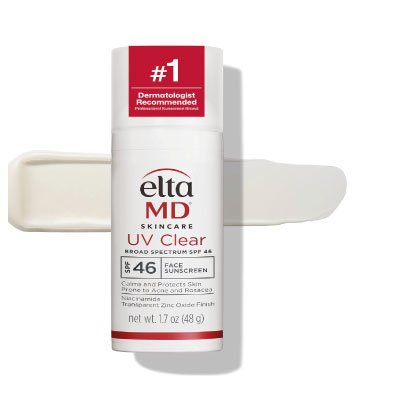
4. EltaMD UV Clear Broad-Spectrum SPF 46 — Best Sunscreen for Sensitive or Acne-Prone Skin
A zinc-based, lightweight sunscreen that appears in dermatologist-recommended roundups for people prone to breakouts or sensitivity.
Best for: daily face sunscreen under makeup
Keep in mind: it costs more than drugstore options.
5. Beauty of Joseon Relief Sun—Best Popular Korean Sunscreen
A widely loved Korean sunscreen with a light, creamy finish. Many people choose it because it feels comfortable on the skin and layers well under makeup.
Best for: people who like lightweight Korean sunscreens
Keep in mind: check the current formula, SPF, and ingredient list, because brands change them. Make sure you remove it fully at night.
6. Paula’s Choice Skin Perfecting 2% BHA—Best Gentle Exfoliant
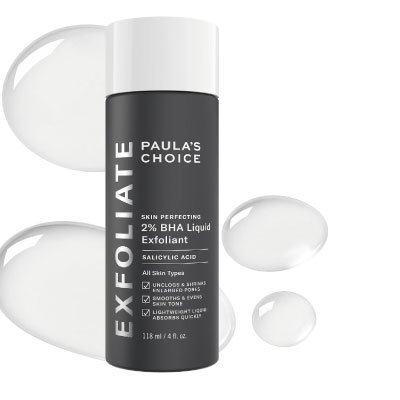
A leave-on salicylic acid exfoliant used for blackheads and rough texture, and a frequent pick in oily-skin routines. It works as an alternative to harsh physical scrubs.
Best for: oily skin with clogged pores
Keep in mind: start two or three nights a week, and skip it if your skin is irritated.
7. The Ordinary Niacinamide 10% + Zinc 1%—Best Everyday Serum
Niacinamide is a popular ingredient for oil balance, uneven tone and the skin barrier. This is an affordable, widely sold option.
Best for: oily, combination, and uneven-toned skin
Keep in mind: some people find 10% strong. Start every other day, and patch test first.
8. COSRX Advanced Snail 96 Mucin Power Essence — Best Hydrating Essence
A lightweight, watery essence used by many people for hydration and a smooth finish. It fits layered, Korean-style routines.
Best for: dry and dehydrated skin
Keep in mind: it contains snail secretion, so skip it if you want a vegan routine or have a related allergy.
9. Aquaphor Healing Ointment—Best for Dry Patches, Lips, and Cuticles
Dermatology-focused roundups call it a staple because it works as a thick barrier that helps lock in moisture on dry, chapped areas.
Best for: lips, cuticles, elbows, and very dry patches
Keep in mind: it is very heavy, so avoid applying it to areas prone to clogged pores or acne.
How do I do beauty care at home?
You do not need a spa to get a good routine. Start with these habits: Beauty Care
Wash with lukewarm water. Hot water can strip your skin.
Cleanse twice a day at most. Over-washing can leave skin dry and irritated.
Moisturize on slightly damp skin, within a minute or two of washing.
Wear sunscreen every morning, and reapply roughly every two hours when you are outside.
Introduce one new product at a time, and wait two to four weeks before adding another.
Patch test new products on your jawline or inner arm for a few days.
Wash makeup brushes and sponges about once a week.
Sleep, drink water and eat well. No product replaces the basics.
Which face products do I really need: face wash, scrub, cream, face pack, and night cream?
Face wash and cleansing milk: a gentle face wash is the one non-negotiable. A cleansing milk or lotion works well if your skin is dry or you want to remove makeup gently.
Facial scrub: gritty scrubs can scratch and irritate skin. If you want to exfoliate, a mild chemical exfoliant (like BHA or lactic acid) used one to three times a week is often gentler.
Facial cream: a daily moisturizer helps reduce water loss. Pick a light gel or lotion for oily skin and a richer cream for dry skin.
Face pack or mask: once a week is plenty. Clay packs suit oily skin, and hydrating sheet masks suit dry skin. Skip them if your skin feels irritated.
Night cream: not mandatory. A good moisturizer can double as a night cream, and a richer formula can help if your skin feels tight in the morning.
For dark circles, our best concealer for dark circles guide helps with makeup, and our best serum for dry skin guide covers hydration.
What are beauty care tools and equipment, and what are they used for?
Here is a plain-language list. You do not need all of them.
Cleansing brush or soft cloth: helps lather and rinse cleanser. Keep it clean and use it gently.
Cotton pads and a spoolie: apply toner and brush through brows or mascara.
Makeup brushes and sponges: blend foundation, concealer, and powder. Wash weekly.
Eyelash curler: lifts lashes before mascara. Be gentle.
Tweezers and brow scissors: shape brows and trim stray hairs.
Facial roller or gua sha: massage tools. They feel nice, but their benefits are mostly short-term, like temporary de-puffing.
Facial massager or steamer: relaxation tools. Check the instructions, and avoid them if your skin is irritated.
Nail clippers, nail file and cuticle pusher: shape and tidy nails. Do not cut cuticles.
Razor and shaving cream: remove hair. Use a clean blade and shave in the direction of growth.
Hair brush, comb and hair straightener: detangle and style. Use heat protectant and keep the heat setting low.
Hair dryer: use medium heat and keep it moving.
Clean your tools regularly. Dirty tools can irritate skin and spread bacteria.
What does beauty care for men look like?
The basics are the same: a gentle face wash, a moisturizer and sunscreen. A few extras can help:
Shave with a clean blade and a lubricating cream, and moisturize afterwards to calm the skin.
Use a fragrance-free aftershave balm if your skin gets red.
Wash your beard if you have one, and keep it trimmed and moisturized.
Do not skip sunscreen. It protects the face, ears and neck.
Ingrown hairs and razor bumps are common. If they keep coming back or become painful, see a doctor or dermatologist.
How do I care for my hair: shampoo, conditioner, hair serum and straighteners?
Shampoo: cleans the scalp. Wash as often as you need. Oily scalps may need it more, and dry scalps less.
Conditioner: smooths the lengths of the hair. Apply to the mid-lengths and ends, not the scalp.
Hair serum or oil: mostly cosmetic. It adds shine and helps with frizz, and a small amount goes a long way.
Hair straightener: heat can damage hair. Use a heat protectant, the lowest effective temperature, and avoid daily use.
Hair masks: once a week can help dry or damaged hair.
If you notice sudden hair loss, an itchy or flaky scalp, or painful patches, ask a doctor.
How do I take care of my nails?
Keep nails short and clean.
File in one direction and avoid cutting cuticles, because they protect against infection.
Moisturize hands and cuticles, especially in winter.
Wear gloves for cleaning or washing dishes.
At a salon, check that tools are cleaned or single-use.
See a doctor if a nail changes color, becomes painful or lifts from the nail bed.
Is a beauty care kit or gift set worth buying?
It can be, if the kit contains products you will really use. Sets are useful for beginners, travel and gifts. Check what is in the box, the sizes and whether the products suit your skin type. Avoid sets padded with items you do not need, and be careful with sets that contain many new actives at once, because that makes it hard to tell what causes a reaction.
How do I choose a safe salon, spa or beauty parlour?
Check that the business is licensed or registered where that applies.
Look for clean surfaces, clean tools and single-use items such as files and wax sticks.
Ask what products and techniques they use, and what happens if you react.
Read recent reviews, and look for patterns rather than a single bad review.
Ask for a patch test before hair dye, peels or strong treatments.
Never feel pressured to buy a package or treatment.
What is beauty care and wellness, and can it be a career?
Beauty care and wellness services include skin care, hair styling, nail services, massage and relaxation treatments. Many places offer courses and training for beauty care, from short certificates to longer qualifications, and school subjects such as TLE cover basic tools and skills. If you are interested in a career, check that a course is recognized where you live, and that it includes hygiene and safety training.
What are sustainable and holistic beauty care?
Sustainable beauty care tries to reduce waste and environmental harm, for example by using refillable packaging, fewer products and responsibly sourced ingredients. Holistic beauty care looks at the whole person: sleep, food, stress, movement and emotional well-being, as well as products.
These ideas are worth considering, but “clean,” “natural” and “green” are marketing terms and not guarantees of safety or effectiveness. The simplest way to be more sustainable is to use fewer products and finish what you buy.
How do I buy beauty care products online safely?
Buy from the brand’s official store or an authorized retailer, and check who the seller is.
Be careful with prices that are far below normal. Counterfeits are common for popular products.
Check the packaging, batch code and ingredients when it arrives.
Read recent reviews, and look for patterns about leaking, fake packaging or reactions.
Look at the return policy before you order.
Stop using a product and see a doctor if you get swelling, a rash or burning.
What is a 30-day beauty care starter plan?
Week 1: use only a gentle face wash, a moisturizer and sunscreen. Note how your skin feels.
Week 2: keep the basics. If you want, add one gentle product, such as an exfoliant or serum, two or three nights a week.
Week 3: keep what is working, stop what irritates you, and add a weekly face mask or hair mask if you like.
Week 4: review. Take a photo in daylight, compare it with the day-one photo and decide what to keep, drop or ask a dermatologist about.
Which beauty care myths should I ignore?
“More products mean better results.” Usually false. Simple, consistent routines work best for most people.
“A tight, squeaky feeling means clean.” It often means your cleanser is too harsh.
“Oily skin does not need moisturizer.” Oily skin can still be dehydrated, and a light moisturizer often helps.
“Sunscreen is only for the beach.” UV reaches your skin on cloudy days and through windows too.
“Expensive means better.” Price does not guarantee results. Look at ingredients and how the product works for you.
“Natural always means safe.” Natural ingredients can irritate or cause allergies too.
What is the first thing to buy for a beauty care routine?
A gentle face wash, a moisturizer and a broad-spectrum sunscreen of at least SPF 30. Add everything else only if you have a specific goal.
How often should I use a face scrub or exfoliant?
Generally one to three times a week at most, and less if your skin is dry or sensitive. Stop if you see redness or stinging.
Is a night cream necessary?
No. A moisturizer you like can work day and night. Some people prefer a richer cream at night.
Can I use the same products as my partner or friend?
Sometimes, but skin types differ. Check ingredients, patch test, and avoid sharing makeup that touches the eyes or lips.
When should I see a dermatologist?
If you have painful or scarring acne, a rash, burning, swelling, a mole that changes, or a problem that does not improve after a few weeks of careful care.
What is the bottom line?
Beauty care does not need a shelf full of products. A gentle face wash, a moisturizer that suits your skin and daily sunscreen cover the essentials. From there, add one thing at a time, keep your tools clean, take care when you shop online and choose salons carefully.
If you want a simple start, try CeraVe Hydrating Facial Cleanser, CeraVe Moisturizing Cream and a sunscreen you enjoy wearing, such as EltaMD UV Clear or Beauty of Joseon Relief Sun. Give them a month, and add one extra only if you need it.
What is your biggest beauty care question: skin, hair, nails or products? Tell us, and we will write the next guide for you.