
“Skin care” refers to the products, ingredients, and habits used to maintain, protect, and improve the health of your skin—everything from cleansing and moisturizing to targeted treatments for acne, aging, or discoloration. A consistent skin care routine offers real, tangible benefits: better hydration, fewer breakouts, more even tone, protection against premature aging, and a stronger, more resilient skin barrier overall. Beyond the physical benefits, many people also find a simple daily routine genuinely calming — a few consistent minutes of self-care built into a morning or evening.
Get Inspired With Skin Care
Whether you’re completely new to skin care or looking to refine a routine you’ve had for years, the guides below cover the most searched, most useful corners of skin care—organized so you can jump straight to whatever you’re trying to solve.
How to Get Rid of Blackheads
Blackheads form when oil and dead skin cells oxidize inside an open pore. Regular use of a salicylic acid cleanser or leave-on treatment, along with avoiding heavy, pore-clogging products, is typically the most effective long-term approach — physical extraction tools can help but carry a higher risk of irritation if used incorrectly.
Best Cleansing Balms & Oils
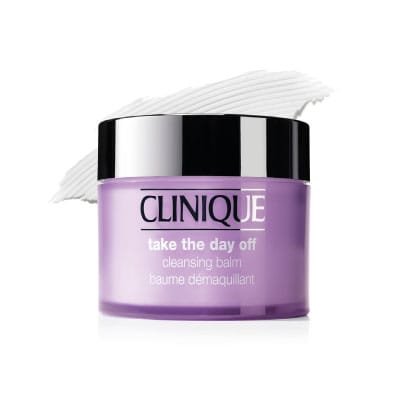
Cleansing balms and oils are the first step of a proper double cleanse, melting away makeup, sunscreen, and excess sebum before your regular face wash. They’re especially useful for anyone wearing daily SPF or makeup.
Best Facial Cleansers
A good facial cleanser should remove dirt and oil without stripping your skin barrier. The right formula — gel, foam, cream, or oil — depends heavily on your skin type, with gentler, non-foaming options generally best for dry or sensitive skin.
Skin Care for Dark Spots
Fading discoloration takes a combination of consistent brightening ingredients—vitamin C, niacinamide, or azelaic acid—paired with diligent daily SPF, since unprotected sun exposure is one of the biggest triggers for new and worsening dark spots.
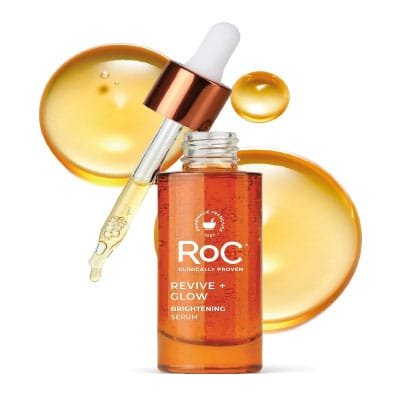
Best PDRN Serums & Products
PDRN (polydeoxyribonucleotide), derived from salmon DNA, has become a buzzy K-beauty ingredient known for supporting skin repair and hydration. It’s frequently used in ampoules and serums aimed at improving overall skin resilience and bounce.
Best Korean Skin Care
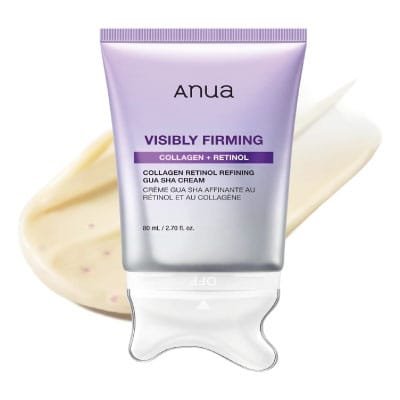
Korean skin care is known for its layered, hydration-first philosophy—think toners, essences, and lightweight serums built around gentle, barrier-friendly ingredients rather than one single high-strength active.
Best After Sun Care
After extended sun exposure, skin needs cooling, hydrating ingredients like aloe vera and panthenol to calm redness and support recovery, along with plenty of water and avoiding further sun exposure while skin heals.
The Best Skin Tints
Skin tints offer a lighter, more natural alternative to full-coverage foundation, often formulated with added skin care benefits like hydrating hyaluronic acid or SPF built right in.
Best Anti-Inflammatory Skincare Products
Ingredients like centella asiatica, niacinamide, and colloidal oatmeal are commonly used to calm redness and irritation, making them useful staples for reactive, sensitive, or rosacea-prone skin.
Best Wrinkle-Softening Serums & Creams
Retinoids remain the most well-studied anti-aging ingredient, though peptide-rich serums and consistent SPF use also play a major supporting role in softening the appearance of fine lines over time.
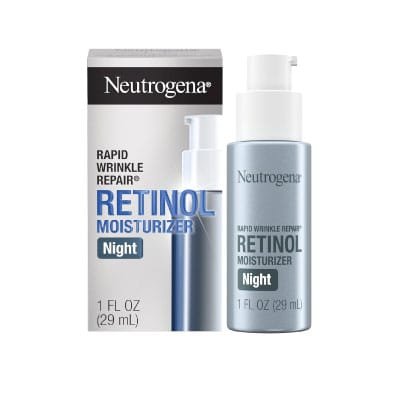
How to Repair Skin Barrier
A damaged skin barrier benefits from stripping a routine back to basics: a gentle cleanser, ceramide-rich moisturizer, and mineral sunscreen, while pausing active ingredients like acids and retinol until the skin feels calm again.
Preppy Skincare
The “preppy skincare” trend leans into clean, classic packaging and simple, dependable formulas—think barrier-friendly basics over trend-driven, ingredient-heavy products.
Best Skincare for Oily Skin
Lightweight, oil-free, and non-comedogenic formulas work best for oily skin, often centered around niacinamide and salicylic acid to help regulate sebum and keep pores clear.
Best Face Masks
From clay masks that absorb excess oil to hydrating sheet masks packed with serums, the right mask depends entirely on what your skin needs that day—clarifying, hydrating, or brightening.
Best Skin Care for Sensitive Skin
Fragrance-free, minimal-ingredient formulas are key for sensitive skin, along with introducing new products one at a time to more easily identify what triggers irritation.
Best Skin Care for Dry Skin
Dry skin thrives with cream cleansers, hyaluronic acid serums, rich moisturizers, and often a facial oil as a final sealing step, particularly during colder months.
Best Toners for Face
Modern toners have moved past the old, drying astringent formulas of the past, now typically offering hydration and gentle pH-balancing benefits as a prep step before serums.
K-Beauty Skin Routines
K-beauty routines emphasize multiple lightweight, layered steps—often including an essence and multiple serums—prioritizing gradual, gentle improvement over aggressive, fast-acting treatments.
Best Clean Ingredient Skin Care
“Clean” skin care generally refers to formulas free from certain synthetic fragrances, parabens, or sulfates, though the term isn’t strictly regulated, so it’s worth checking individual ingredient lists rather than relying on marketing labels alone.
Best BHA/PHA Exfoliants
BHAs (like salicylic acid) are oil-soluble and ideal for oily, acne-prone, or clogged pores, while PHAs offer a gentler form of exfoliation better suited to sensitive skin that can’t tolerate stronger acids.
Combination Skin Routines
Combination skin often benefits from applying lighter products everywhere and layering slightly richer moisturizer only on drier areas, rather than using two entirely separate routines.
Best Acne Treatments
Effective acne treatment usually combines a gentle cleanser, a leave-on active like salicylic acid or benzoyl peroxide, and a lightweight, non-comedogenic moisturizer—with more stubborn or cystic acne often requiring a dermatologist’s guidance.
Best At-Home Beauty Treatments
From DIY facials to at-home LED devices, at-home treatments can complement — but generally don’t replace — a consistent daily routine and professional treatments for more advanced concerns.
The Best Skin Care and Beauty Ingredients
Standouts worth knowing include vitamin C, niacinamide, hyaluronic acid, retinol, and ceramides — a small handful of well-studied ingredients that show up again and again across effective formulas.
Your Minimalist Skin Care Routine
A minimalist routine strips things back to the essentials: cleanser, moisturizer, and SPF, proving that an effective routine doesn’t require ten products to see real results.
Balance & Brighten
Formulas combining gentle exfoliation with brightening ingredients like vitamin C or niacinamide help even out tone and texture together, rather than treating them as separate concerns.
Affordable Skin Care
Drugstore formulas with well-studied active ingredients can perform just as well as prestige alternatives — the concentration and formulation matter far more than the price tag or packaging.
Youth-Boosting Routines
Focused on prevention rather than correction, these routines typically emphasize antioxidants and diligent SPF use rather than heavier, more aggressive anti-aging actives.
Best Skin Care Tools & Devices
From gua sha stones to LED masks and facial cleansing brushes, tools can enhance a routine’s results and feel, though they generally work best as a complement to — not a replacement for — good product formulation.
Nighttime Essentials
A solid night routine centers on thorough cleansing, a treatment serum suited to your main concern, and a moisturizer that supports overnight barrier repair.
Hydrate Your Winter Skin
Cold air and indoor heating both pull moisture from skin, making richer moisturizers, hydrating serums, and facial oils especially useful additions during winter months.
The Best Face and Body Exfoliators
Body skin is generally thicker than facial skin and can often tolerate slightly stronger exfoliating formulas, while facial exfoliation should stay gentler and less frequent to avoid compromising the skin barrier.
Vitamin C
An antioxidant that brightens tone and helps defend against environmental damage, vitamin C is best used in the morning as part of your protective routine.
Niacinamide
A gentle, versatile ingredient that helps regulate oil, calm redness, and support the skin barrier — one of the easiest actives to pair with almost anything else in a routine.
Hyaluronic Acid Products
A humectant that draws moisture into skin, best applied to slightly damp skin and sealed in with a moisturizer for maximum hydrating benefit.
Retinol
The most well-studied topical ingredient for fine lines, texture, and cell turnover, typically introduced gradually at night to help skin build tolerance.
Best Eye Creams
Formulated for the thinner, more delicate skin around the eyes, eye creams often target puffiness, dark circles, or fine lines with ingredients like caffeine and peptides.
Best Makeup Removers
From cleansing balms to micellar water, the right makeup remover depends on how much and what type of makeup you wear—heavier, waterproof formulas generally need an oil-based remover for a truly thorough clean.
HSA/FSA-Eligible Skin Care & Beauty Products
Certain skincare products, particularly those treating specific medical concerns like acne or sun protection, may qualify for HSA/FSA reimbursement—always check current eligibility with your provider before assuming a product qualifies.
Spotted on Social
Trending products and routines from TikTok and Instagram move fast, but it’s worth vetting viral skin care advice against dermatologist-backed sources before adopting anything into your own routine.
The Best Korean Skin Care Products
Beyond the routine philosophy itself, specific K-beauty product categories — ampoules, sleeping masks, and essences — have earned a loyal global following for their gentle, effective formulations.
Dermatologist Recommended
Products with dermatologist backing typically emphasize proven, well-studied ingredients over trend-driven marketing claims, making them a reliable starting point for anyone unsure where to begin.
Most Wanted Skin Care (Tween and Teen-Safe)
For younger skin, a simple routine — gentle cleanser, lightweight moisturizer, and daily SPF — is typically all that’s needed, without introducing heavier anti-aging or treatment products too early.
Your Ultimate Summer Sunscreen Guide
Choosing between mineral and chemical sunscreen, finding a formula that won’t clog pores in humid weather, and reapplying consistently throughout the day are the core pillars of a solid summer sun protection routine.
Top Skin Care Brands to Know
The skin care market spans everything from budget drugstore staples to prestige clinical lines. A few brand categories worth knowing:
K-beauty and J-beauty brands are known for gentle, layered, hydration-focused formulas
Clinical and dermatologist-developed lines (like ZO Skin Health, founded by Dr. Zein Obagi) focus on active-ingredient-driven, results-oriented formulas often recommended alongside professional treatments
Celebrity and lifestyle beauty lines (such as JLo Beauty) have expanded the market with approachable, broadly-marketed routines
Independent, ingredient-focused brands (like Q+A, known for straightforward formulas built around a single hero ingredient such as salicylic acid or azelaic acid) appeal to those who want simple, transparent formulations
When comparing brands, it’s worth looking past packaging and marketing claims to the actual ingredient list and concentration of active ingredients—that’s ultimately what determines whether a product will work for your specific skin concern. A well-formulated drugstore serum with a proven 10% niacinamide concentration will often outperform a beautifully packaged prestige product with the same ingredient buried far down the list at a fraction of the strength.
It’s also worth understanding what different price tiers typically offer. Budget and drugstore brands generally compete on well-studied, single-focus active ingredients at accessible prices. Mid-range brands often add more refined textures and a broader range of complementary ingredients within a single product. Prestige and clinical lines tend to justify higher prices through more advanced delivery systems, clinical testing, and formulations designed to work alongside professional treatments like chemical peels or laser therapy. None of these tiers is inherently “”better”—the right choice depends on your specific skin goals, sensitivity, and budget.
Building a Skin Care Routine by Life Stage
Kids and tweens (around 10–12): A simple routine of gentle cleanser, light moisturizer, and SPF is sufficient. There’s generally no need for treatment serums or active ingredients at this age. This is also a good time to build the habit of daily sunscreen application, since consistent sun protection started early tends to carry through into adulthood.
Teenagers: As hormonal changes bring on more oil production and occasional breakouts, a gentle cleanser paired with a targeted acne treatment (like a low-strength salicylic acid) can be introduced, always alongside consistent SPF. It’s worth resisting the urge to over-treat at this stage—a simple, consistent routine usually outperforms an aggressive one for teenage skin.
20s and 30s: This is typically when people start introducing antioxidant serums like vitamin C and become more consistent about daily SPF, often as a preventive measure against future sun damage and early signs of aging. Retinol is also frequently introduced during this stage, usually starting at a low frequency and gradually building up as skin adjusts.
40s and beyond: Richer moisturizers, peptides, and retinoids become more central, supporting skin as natural collagen production and cell turnover slow with age. Many people in this stage also add targeted treatments for specific concerns like age spots, deeper fine lines, or increased dryness, alongside continued diligent sun protection.
Frequently Asked Questions
What is skin care, exactly? “Skin care” refers to the products and habits used to cleanse, protect, treat, and hydrate your skin—ranging from a basic daily routine to more targeted treatments for specific concerns like acne, aging, or hyperpigmentation.
What are the basic steps of a skin care routine? At its simplest, a skin care routine covers cleansing, moisturizing, and (in the morning) sun protection. From there, targeted treatment serums can be added based on specific skin concerns.
Is “skin care” one word or two? Both “skin care” and “skincare” are widely used and generally accepted; the one-word version has become increasingly common in modern beauty marketing and media, though both spellings are considered correct.
What is the best skin care brand? There isn’t one universal “best” brand—it depends on your skin type, budget, and specific concerns. Ingredient-focused brands often offer excellent value, while clinical or dermatologist-developed lines can be worth the investment for more targeted, active-ingredient-driven results.
How do I know what skin care products are right for my skin type? Start by identifying whether your skin tends to be oily, dry, combination, or sensitive, then choose products formulated for that type—lightweight, oil-free formulas for oily skin and richer, more hydrating formulas for dry or sensitive skin.
Do I need a lot of products to have an effective skin care routine? No — a minimalist routine of cleanser, moisturizer, and SPF covers the essentials effectively. Additional products can be introduced gradually as specific concerns arise, rather than starting with a complicated, many-step routine.
What’s the difference between K-beauty and typical Western skin care? K-beauty routines tend to use more, lighter-weight layered steps focused on hydration and gradual improvement, while many Western routines favor fewer, more concentrated, potent products. Both approaches can be effective.
At what age should kids start using skin care products? A simple routine—gentle cleanser, light moisturizer, and daily SPF—is appropriate from around age 10 onward, without the need for treatment serums or active ingredients until later, typically in the teenage years or beyond depending on specific skin needs.
Are HSA/FSA funds eligible for skin care purchases? Some skincare products, particularly those treating documented medical concerns like acne, may be HSA/FSA eligible, but this varies by provider and product—always confirm eligibility before assuming a purchase qualifies.
How often should I introduce a new skin care product? Introduce one new product at a time, giving it several weeks before adding another, so you can accurately identify what’s working (or what’s causing irritation) rather than changing multiple variables at once.
Is it safe to use skin care products while pregnant? Many common actives, including retinoids and high-strength salicylic acid, are typically avoided during pregnancy. Gentler ingredients like vitamin C, niacinamide, and azelaic acid are generally considered safer, but you should always confirm with your doctor before starting anything new.
The Bottom Line
Skin care doesn’t have to mean chasing every trending product or building an overwhelming, ten-step routine. The fundamentals — consistent cleansing, targeted treatment for your specific concerns, reliable hydration, and daily sun protection — remain the foundation no matter which brands, ingredients, or trends you build around them. Start simple, introduce new products gradually, and pay attention to how your own skin responds rather than following any routine exactly as written for someone else.
Whether you’re just beginning to build a routine or refining one you’ve had for years, the guides above are a starting point for going deeper into whatever your skin needs most right now — and that’s really what effective skin care comes down to: matching the right ingredients and habits to your specific skin, consistently, over time.
If you only take one thing away from this guide, let it be this: consistency and sun protection will do more for your skin, over the long run, than any single “miracle” product ever will. Build your routine gradually, pay attention to how your own skin responds, and let that feedback — not trends or marketing — guide which products earn a permanent place in your routine.