
If you have spent any time researching skincare ingredients, you have almost certainly come across niacinamide for skin It appears on ingredient lists across hundreds of products from budget drugstore serums to luxury department store creams. Dermatologists recommend it universally. Beauty editors call it a must-have. And the science backs up every claim.
But what exactly is niacinamide, what does it actually do for your skin, and how do you use it correctly in your skincare routine? This complete guide covers everything: the science, the benefits, the correct routine placement, what to combine it with, what to avoid, and the 10 best niacinamide products available in 2026.
What Is Niacinamide for skin?
It is a form of vitamin B3, specifically the amide form of niacin. It is a water-soluble vitamin that occurs naturally in many foods, including meat, fish, eggs, green vegetables, and cereals. As a topical skincare ingredient, it has been studied extensively since the 1990s and has accumulated one of the strongest evidence bases of any cosmetic active ingredient.
Unlike many trending skincare ingredients that appear suddenly and disappear just as fast, it has decades of peer-reviewed research confirming its effectiveness. It is not a miracle ingredient, no single ingredient, but it is one of the most versatile, most reliably effective, and most universally tolerated active ingredients in skincare. It works for oily skin, dry skin, sensitive skin, acne-prone skin, aging skin, and hyperpigmented skin. This extraordinary range of benefits is why it appears in more skincare products than almost any other active ingredient.
Reduces Sebum Production and Controls Oily Skin
One of the most well-documented benefits for skin is its ability to regulate sebum production. A landmark study published in the Journal of Cosmetic Dermatology showed that topical niacinamide at 2% concentration significantly reduced sebum excretion rate over 4 weeks of daily use. At 10% concentration, the most commonly used strength in commercial serums, the reduction in sebum production is even more pronounced.
This makes the single most effective non-prescription ingredient for oily skin and one of the most important steps in any skincare routine for oily skin. Unlike harsh astringents that strip oil and trigger rebound sebum production, it regulates oil production at the cellular level, communicating with sebaceous glands to produce less sebum rather than removing what has already been produced.
Minimizes the Appearance of Pores
Enlarged pores are one of the most common skincare concerns and one of the most frustrating, because nothing actually changes the physical size of a pore. What it does is reduce the appearance of pores by doing two things simultaneously: it reduces the excess sebum that makes pores look stretched and filled, and it improves the elasticity and firmness of the skin around the pore opening, making the pore appear smaller even though its actual diameter has not changed.
Reduces Redness and Inflammation
It has significant anti-inflammatory properties; it inhibits the transfer of inflammatory signals in the skin and calms the redness and reactivity associated with a range of conditions, including acne, rosacea, sensitive skin, and general skin irritation.
For people with rosacea, it is particularly valuable. A study comparing topical niacinamide with topical metronidazole, a prescription rosacea treatment, showed that niacinamide performed comparably for reducing rosacea redness and inflammation. This is a remarkable finding that illustrates just how powerful this vitamin is for skin inflammation.
Fades Dark Spots and Hyperpigmentation
It inhibits the transfer of melanosomes, the cellular packages that contain melanin, from melanocytes (melanin-producing cells) to keratinocytes (surface skin cells). By blocking this transfer, it prevents existing melanin from moving to the skin surface, where it would appear as dark spots, and also prevents new spots from forming.
Clinical studies show that it at 4–5% concentration significantly reduces hyperpigmentation over 8 weeks. At 10% the effect is faster and more pronounced. This makes it one of the best ingredients for post-acne dark spots (post-inflammatory hyperpigmentation), sun spots, and uneven skin tone.niacinamide for skin
Reduces Fine Lines and Supports Anti-Aging
It stimulates collagen production in the dermis, the deeper layer of skin where collagen gives skin its firmness and structure. Studies show that regular topical application increases collagen synthesis and reduces the appearance of fine lines and wrinkles with consistent use over 12 weeks.
It also protects collagen from oxidative damage by acting as an antioxidant; it fights free radicals generated by UV exposure and pollution that break down collagen fibers. This protective effect makes it one of the most important anti-aging ingredients for daily use, particularly when combined with vitamin C (another powerful antioxidant) in the morning and retinol at night.
How Often Should You Use It? niacinamide for skin
It can be used twice daily, morning and night, without causing irritation or over-exfoliation. Unlike retinol and AHAs, which require an adjustment period and limited frequency, it is gentle enough for daily use at 10% concentration from day one. This makes it one of the most accessible active ingredients for beginners.
How Much Should You Use?
Apply 3 to 4 drops of its serum to your entire face after cleansing and toning. A small amount goes a long way — the ingredient is water-soluble and spreads easily. Press gently into the skin rather than rubbing. niacinamide for skin
Niacinamide and Hyaluronic Acid
It and hyaluronic acid are one of the most compatible and most beneficial ingredient combinations in skincare. Both are gentle enough to use together without irritation. Hyaluronic acid provides deep hydration, drawing water into skin cells. strengthens the barrier that holds that hydration in. The two work synergistically: apply hyaluronic acid first to damp skin, then it on top.
Niacinamide and Retinol
with retinol is another excellent compatible pairing. It can be applied before or after retinol in the night routine. The barrier-strengthening properties of it actually reduce the irritation and dryness that retinol commonly causes during the adjustment period, making this combination ideal for people who are new to retinol.
Night routine with both: cleanser, toner, serum, retinol, and moisturizer. Some people prefer to mix them in the same step, which is also acceptable.
Niacinamide and Salicylic Acid
it and salicylic acid are the perfect acne-fighting combination. Salicylic acid (BHA) penetrates inside the pore to dissolve the sebum and dead cells that cause blackheads and breakouts. It reduces sebum production, calms inflammation, and fades post-acne marks. Together they address every stage of the acne cycle from formation through resolution.
Apply salicylic acid toner first, allow to absorb for 30 seconds, then apply niacinamide serum.
Niacinamide and Direct Acids at High Concentration
While niacinamide pairs well with most ingredients, extremely high concentrations of acidic ingredients (30%+ AHA or very low pH vitamin C at 20%+) applied directly on top of niacinamide in the same session can potentially cause the niacin flush reaction in very sensitive individuals. The practical solution is simple: apply one, wait 30 minutes, then apply the other. Or use them at different times of day.
1. The Ordinary Niacinamide 10% + Zinc 1% — Best Budget
Why it wins: It’s the world’s best-selling serum, and for good reason. At 10% it and 1% zinc PCA, it delivers clinical-strength pore-minimizing and oil control at a price point that makes it accessible to everyone. The formula is straightforward, water-based, and absorbs instantly. The zinc adds additional sebum regulation that makes this particularly effective for oily and acne-prone skin.
Best for: Oily skin, acne-prone skin, large pores, beginners Concentration: 10% niacinamide + 1% zinc Price: $
The Ordinary Niacinamide 10% + Zinc 1% The most affordable and most popular niacinamide serum worldwide.

2. Paula’s Choice 10% Niacinamide for skin Booster Best Premium
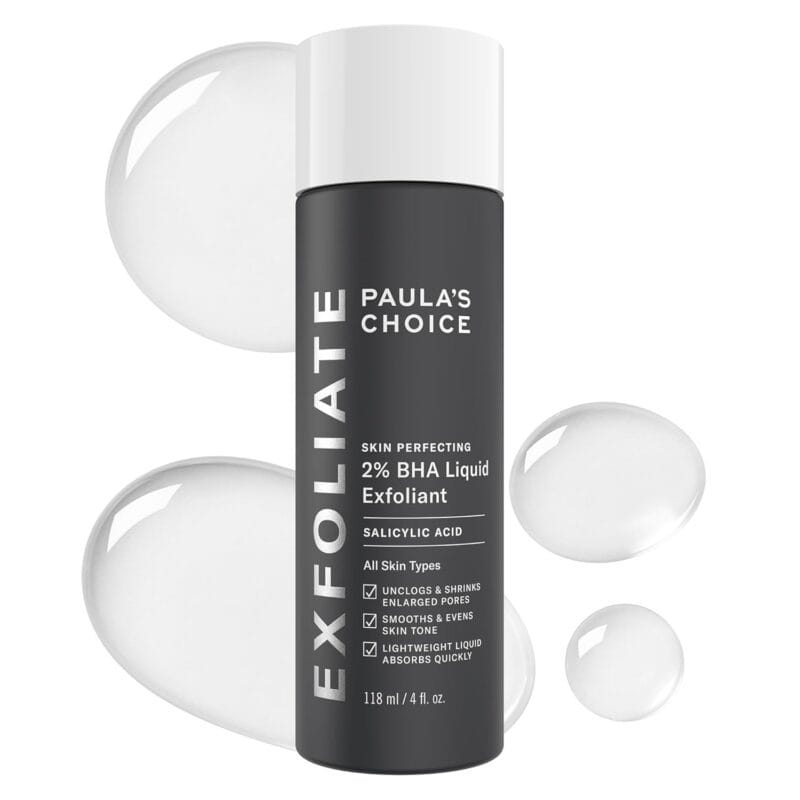
Why it wins: Paula’s Choice 10% Niacinamide for skin Booster adds vitamin C and hyaluronic acid alongside it, creating a three-in-one brightening, hydrating, and pore-refining serum. The formula is elegant and absorbs beautifully. Results are visible within 2 to 3 weeks for most users. Paula’s Choice is also cruelty-free and fragrance-free, making it one of the best options for sensitive and reactive skin.
Best for: All skin types, hyperpigmentation, brightening Concentration: 10% niacinamide Price:
Paula’s Choice 10% Niacinamide Booster is the best premium niacinamide serum for brightening.
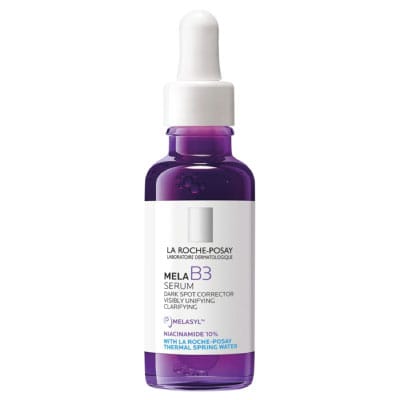
3. La Roche-Posay Toleriane Ultra Niacinamide for skin Serum Best for Sensitive Skin
Why it wins: From the most dermatologist-recommended skincare brand in the world La Roche-Posay’s serum combines 10% niacinamide with prebiotic thermal water and shea butter for a formula that calms, strengthens, and protects the most reactive and sensitive skin. Fragrance-free, paraben-free, and developed specifically for skin that reacts to almost everything.
La Roche-Posay Toleriane Ultra Niacinamide Serum: The best niacinamide for sensitive and rosacea-prone skin.
4. Olay Regenerist Micro-Sculpting Cream: Best Niacinamide Moisturizer
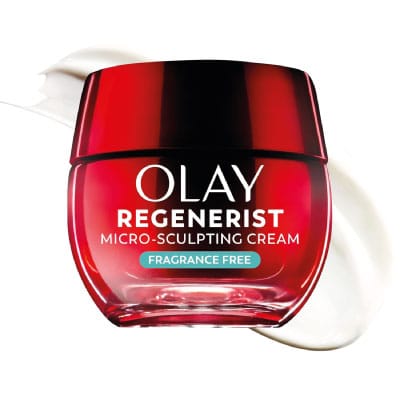
Why it wins: Olay’s Regenerist line is built on it; the brand has used it as a core active ingredient for decades. The Micro-Sculpting Cream combines niacinamide for skin with amino-peptides and hyaluronic acid in a rich yet non-greasy formula that delivers visible skin firming, brightening, and smoothing. It is one of the best-studied commercial products available and regularly outperforms significantly more expensive competitors in blind studies.
Olay Regenerist Micro-Sculpting Cream: Best niacinamide moisturizer for anti-aging.
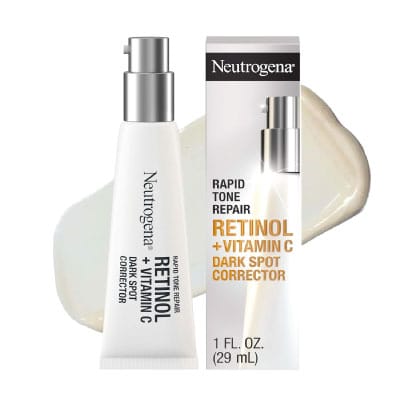
5. Neutrogena Rapid Tone Repair Niacinamide Serum Best Drugstore
Why it wins: Neutrogena’s niacinamide for skin serum pairs it with vitamin C and retinol for a comprehensive brightening and anti-aging routine in a single affordable product. The combination of all three clinically proven actives in one serum makes it exceptional value and reduces the number of steps needed in a routine. Available at every pharmacy.
Best for: Dark spots, uneven tone, beginners wanting multi-active formula Concentration: Niacinamide for skin + vitamin C + retinol. Price:
Neutrogena Rapid Tone Repair Niacinamide for skin Serum The best affordable niacinamide serum at the drugstore.
6. Good Molecules Discoloration Correcting Serum Best for Dark Spots
Why it wins: Good Molecules built their reputation on the tranexamic acid combination, one of the most effective pairings for fading dark spots and hyperpigmentation. Tranexamic acid blocks melanin production through a different pathway than niacinamide for skin, and the two together are significantly more effective for hyperpigmentation than either ingredient alone. All at a remarkably affordable price point.
Best for: Dark spots, post-acne marks, melasma, uneven skin tone Concentration: Niacinamide for skin + tranexamic acid Price: $
Good Molecules Discoloration Correcting Serum: The best niacinamide for skin serum for hyperpigmentation and dark spots.
7. CeraVe PM Facial Moisturizing Lotion is best for dry skin.
Why it wins: CeraVe PM Facial Moisturizing Lotion combines niacinamide with three essential ceramides and hyaluronic acid, creating a barrier-repairing, hydrating nighttime moisturizer that is ideal for dry, dehydrated, and sensitive skin types. The lightweight lotion texture absorbs fully without leaving residue and is fragrance-free and non-comedogenic. One of the most recommended moisturizers by dermatologists worldwide.
Best for: Dry skin, sensitive skin, nighttime barrier repair Concentration: Niacinamide for skin + ceramides + HA Price: $
CeraVe PM Facial Moisturizing Lotion Best niacinamide moisturizer for dry and sensitive skin.
8. Minimalist Niacinamide 10% + Zinc 1% Best for Oily Acne-Prone Skin
Why it wins: Minimalist is a science-focused skincare brand that delivers clinical strength actives at accessible prices. Their niacinamide formula matches The Ordinary’s 10% + zinc formula but adds a slightly improved texture that absorbs even more quickly, making it ideal for very oily skin that does not want any heaviness from their serum step.
Best for: Very oily skin, acne-prone skin, blackheads Concentration: 10% niacinamide for skin + 1% zinc. Price:
Minimalist Niacinamide 10% + Zinc 1% is the best niacinamide for skin serum for very oily and acne-prone skin.
9. Byoma Brightening Serum Best for Combination Skin
Why it wins: Byoma’s barrier-focused formulations pair niacinamide for skin with their proprietary Tri-Ceramide Complex for a serum that brightens while simultaneously repairing the skin barrier. This makes it particularly effective for combination skin that has patches of dryness and oiliness simultaneously — niacinamide controls the oily zones while ceramides repair the dry ones.
Best for: Combination skin, barrier repair, brightening Concentration: Niacinamide for skin + ceramides Price: $$
Byoma Brightening Serum: Best niacinamide for skin serum for combination skin.
10. COSRX Niacinamide 15% Face Serum: Best High Concentration
Why it wins: For users who have already experienced 10% of it and want to step up their routine, COSRX’s 15% niacinamide serum delivers the highest widely available concentration with visible results on dark spots and pore size that are faster and more pronounced than standard 10% formulas. The higher concentration is well-tolerated by most skin types but should be introduced gradually every other day for the first 2 weeks.
Best for: Stubborn dark spots, oily skin, experienced niacinamide for skin users Concentration: 15% niacinamide Price: $$
COSRX Niacinamide 15% Face Serum Best high-concentration niacinamide for advanced skin users. (Affiliate link)
Niacinamide for Oily Skin
The best B.E. concentration for oily skin is 10% with added zinc, the combination that reduces sebum production most effectively. Use morning and night. Choose a lightweight gel or water texture. The Ordinary Niacinamide 10% + Zinc 1% is the ideal starting point.
Niacinamide for Dry Skin
For dry skin, choose a moisturizer or a serum with added hyaluronic acid. Their barrier-strengthening properties are especially valuable for dry skin, reducing moisture loss and rebuilding the lipid barrier that keeps skin hydrated. CeraVe PM with niacinamide and ceramides is ideal.
It’s used for sensitive skin.
It is one of the gentlest active ingredients available and is suitable for sensitive skin at any concentration from 5% to 10%. It is fragrance-free in most formulations and does not cause the photosensitivity that retinol and AHAs cause. La Roche-Posay’s this serum is specifically formulated for sensitive skin.
Niacinamide for Acne-Prone Skin
I is for acne and works best at 10% combined with zinc or salicylic acid. Use it as part of a complete acne-focused routine: salicylic acid cleanser → BHA toner → niacinamide serum → oil-free moisturizer → non-comedogenic SPF 50. Add adapalene at night for maximum acne treatment effectiveness.
Niacinamide for Hyperpigmentation
For dark spots and uneven tone, choose it combined with vitamin C, tranexamic acid, or azelaic acid. Always use SPF 50 every morning alongside your niacinamide. UV exposure re-triggers melanin production and undoes the fading work of your serum.
Morning Routine with Niacinamide for skin
Cleanser → Toner → Niacinamide serum → Moisturizer → SPF 50
This morning routine addresses oil control, pore minimization, brightening, and UV protection in five simple steps.
Night Routine with Niacinamide
Oil cleanser → Water cleanser → Toner → it serum → Retinol (3 nights/week) → Night moisturizer
The it at night supports the retinol’s anti-aging work while reducing the irritation and dryness retinol commonly causes
What does niacinamide for skin do?
It does six clinically proven things for skin: reduces sebum production, minimizes the appearance of pores, fades dark spots and hyperpigmentation, reduces redness and inflammation, strengthens the skin barrier, and supports collagen production for firmer, smoother skin. It is one of the few skincare ingredients that genuinely delivers on all of these benefits with consistent, peer-reviewed clinical evidence.
Can I use niacinamide for skin every day?
It is one of the few active ingredients safe for twice-daily use from the very first application. It does not cause photosensitivity, does not require an adjustment period, and does not thin the skin over time. Daily use morning and night is the recommended approach for maximum benefit.
Can niacinamide for skin be used with retinol?
Yes, and it is highly recommended. It and retinol are one of the best combinations in skincare. It reduces the irritation and dryness that retinol commonly causes during the adjustment period, while retinol provides anti-aging benefits that support it. Apply niacinamide first; wait 60 seconds, and then apply retinol, both in the night routine only.
Conclusion
it is not a trend. It is not a marketing buzzword. It is one of the most comprehensively studied, most reliably effective, and most universally suitable active ingredients in all of skincare, with decades of clinical evidence supporting every claim made about it.
Whether you are dealing with oily skin and large pores, stubborn dark spots and hyperpigmentation, acne and post-breakout marks, or the early signs of aging and loss of firmness—niacinamide addresses all of these concerns simultaneously, gently, and without the irritation risk that makes so many other actives difficult to use consistently.