
Routine skincare: A skincare routine is a set of steps you follow every day, morning and night, to clean, protect, and care for your skin. It is not about using as many products as possible. A skincare routine is about using the right products, in the right order, consistently. Whether you follow a simple 3-step routine or a full Korean 10 tep skincare routine, the goal is always the same: healthy, balanced, glowing skin.
Think of a skincare routine the way you think about brushing your teeth. You would not skip it for a week and expect your teeth to be fine. Your skin works the same way. It responds to consistency over time not to expensive products used once in a while.
A daily skin care routine at home can be as simple or as detailed as you want. Beginners can start with just a cleanser, moisturizer, and sunscreen. More advanced routines add serums, toners, eye creams, and weekly treatments like exfoliants and face masks. The key is building your routine step by step and sticking to it every single day.
Why Skincare Routine Is Important
Your skin is the largest organ in your body. It protects you from bacteria, pollution, UV radiation, and environmental stress every single day. When you do not care for your skin, that protective barrier weakens, leading to dryness, breakouts, premature aging, hyperpigmentation, and sensitivity.
A proper daily skin care routine at home does several important things: it removes the pollution and dirt that builds up on your skin throughout the day, it delivers active ingredients that repair and strengthen your skin barrier, and it protects against the UV damage that causes 90% of visible skin aging. Dermatologists consistently say that the most effective anti-aging strategy is not a $300 serum; it is a simple, consistent daily skincare routine followed every day. routine skincare
Benefits of Following a Daily Skincare Routine
Following a consistent daily skin care routine for glowing skin delivers real, measurable results over time. Within the first two to four weeks, most people notice that their skin feels softer, more hydrated, and less reactive. After 8 to 12 weeks of consistency, they see significant improvements in tone, texture, brightness, and the frequency of breakouts.
Other benefits include reduced appearance of dark spots and hyperpigmentation, visibly smaller pores, more even skin tone, slower appearance of fine lines and wrinkles, and stronger skin that is less sensitive to irritation and environmental stress. A good skincare routine also gives you a reliable daily ritual, a moment of self-care that has both physical and mental benefits.
Morning routine Skincare
Your morning skincare routine has one core mission: protect. Every product you apply in the morning should support your skin in facing a full day of UV radiation, pollution, blue light exposure, and environmental stress. Here is the correct skincare routine order for your morning, step by step.
Step 1: Cleanser Remove Oil and Dirt
The first step in any morning skincare routine is cleansing. While you sleep, your skin produces sebum, sheds dead skin cells, and picks up residue from your pillowcase. A gentle morning cleanse removes all of this and gives you a clean, fresh base for everything that follows. routine skincare
Choose your cleanser by skin type: routine Skincare
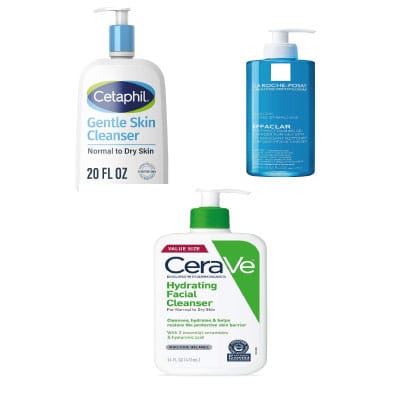
For oily skin and acne-prone skin, choose a gel or foaming cleanser with salicylic acid or niacinamide. These ingredients clean deep inside the pore while controlling excess sebum. The routine skincare for oily skin approach always starts with a BHA-based cleanser in the morning.
For sensitive skin, choose a fragrance-free, low-pH cleanser with minimal ingredients. The skincare routine for sensitive skin should always use the gentlest cleanser possible to avoid triggering reactivity. routine Skincare
For combination skin, a gentle gel cleanser works well across the T-zone and cheeks without over-drying the drier areas of the face. routine skincare
CeraVe Hydrating Facial Cleanser Best for dry and normal skin. Ceramides and hyaluronic acid. Non-stripping and fragrance-free.routine skincare.
Step 2: Toner Balances Skin, Hydrate and Refreshes: routine skincare
Toner is the second step of your morning skincare routine and one of the most misunderstood. The old alcohol-based astringent toners that stripped skin are gone. Modern toners are hydrating, pH-balancing treatments that prepare your skin to absorb everything that follows.
For oily and acne-prone skin, choose an alcohol-free BHA toner with salicylic acid (0.5–2%). This is a key step in the skincare routine for acne and the skincare routine for oily acne prone skin. routine skincare
For dry and sensitive skin, choose a hydrating essence-toner with hyaluronic acid, glycerin, or centella asiatica. This is essential in a skincare routine for dry skin or a skincare routine for sensitive skin.
COSRX AHA/BHA Clarifying Treatment Toner ; routine skincare Gently exfoliates and refines pores. A staple in Korean skincare routine with products for oily skin.
Step 3: Serum Vitamin C for Brightening and Protection : routine skincare
The third step in your morning skincare routine is your serum. Serums are the most concentrated, most active products in your routine. They are formulated with smaller molecules than moisturizers, which means they penetrate deeper into the skin and deliver targeted treatment where it is most needed.
In the morning, your serum should focus on protection and brightening. The best choice for a morning skincare routine is a vitamin C serum.
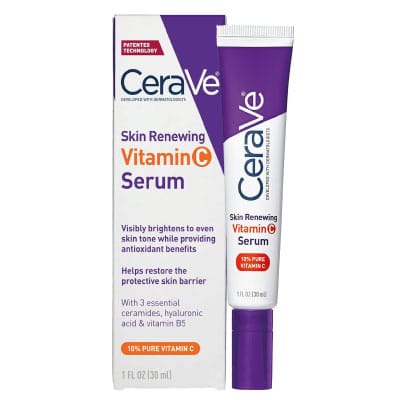
Vitamin C is one of the most clinically proven skincare ingredients in the world. In your daily skincare routine, it works as a powerful antioxidant that neutralizes free radicals from UV radiation and pollution before they can damage your skin cells. It also brightens dark spots and hyperpigmentation, promotes collagen production for firmer skin, and boosts the effectiveness of your sunscreen by up to 200%. routine skincare
Vitamin C serum is a critical step in any skincare routine for hyperpigmentation, any skincare routine for glowing skin, and any skincare routine recommended by dermatologists for anti-aging. routine skincare
TruSkin Vitamin C Serum Best-selling vitamin C serum with vitamin E and hyaluronic acid. Suitable for all skin types, including men’s skincare routines and skincare routines for teenage girl.
Paula’s Choice C15 Super Booster Professional-grade 15% vitamin C. Perfect for a skincare routine 40-year-old woman or skincare routine 30-year-old woman targeting anti-aging.
Step 4: Moisturizer Keep Skin Soft and Hydrated
Moisturizer is the fourth step of your morning skincare routine and one of the most important — for every skin type, including oily. Many people with oily skin skip moisturizer thinking it will make things worse. In reality, when your skin is dehydrated, it overproduces sebum to compensate making oiliness significantly worse. An oil-free moisturizer is essential in any routine skincare for oily skin.
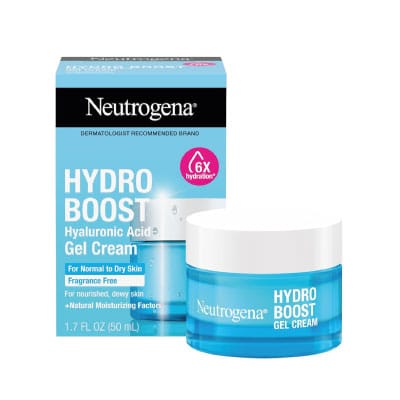
A good morning moisturizer locks in everything you have applied in the previous steps, adds its own layer of hydration and barrier support, and creates a smooth base for sunscreen and makeup to sit on.
Choose a lightweight gel moisturizer for oily and combination skin. Choose a richer cream with ceramides and fatty acids for dry skin. Choose a fragrance-free formula for sensitive skin. The CeraVe find your routine tool recommends ceramide-based moisturizers for almost all skin types due to their barrier-repairing properties.
Step 5: Sunscreen SPF Protection Against Sun Damage and Aging
Sunscreen is the final and most critical step of your morning skincare routine. Without SPF, every other product in your routine is working against the constant, cumulative damage caused by UV radiation. UV exposure is responsible for 90% of visible skin aging: wrinkles, dark spots, sagging, and loss of firmness and is the leading cause of skin cancer.
This step is non-negotiable in every skincare routine. It applies to every skin type, every age, every skin tone, indoors and outdoors, summer and winter, sunny days and cloudy days. Up to 80% of UV rays penetrate cloud cover. Dermatologists universally say that SPF is the most impactful anti-aging product you can use — more than any serum or treatment..
EltaMD UV Clear Broad-Spectrum SPF 46 The most recommended sunscreen by dermatologists. Niacinamide-infused. Non-comedogenic. Best for skincare routines for acne and routine skincare Roche-Posay alternatives.
Night routine Skincare
Your night skincare routine has a different mission from your morning routine. At night, your skin enters its natural repair cycle. Cell regeneration speeds up, collagen synthesis increases, and your skin barrier rebuilds. Your night routine should support and accelerate this repair process while you sleep.
Step 1: Makeup Remover Cleansing Remove Makeup and Dirt
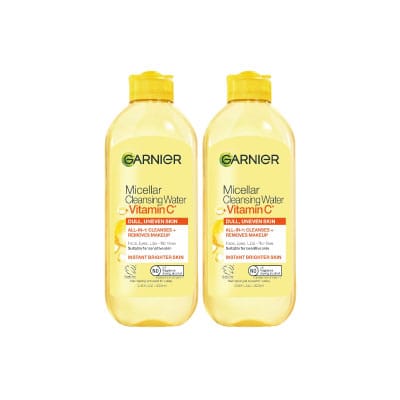
The first step of your nighttime skincare routine is removing makeup and the day’s accumulation of sunscreen, sebum, and pollution. This is where the double cleanse method the foundation of the Japanese skincare routine day and night and the Korean skincare routine at night, begins.
Start with an oil cleanser or micellar cleansing balm. Oil-based cleansers dissolve sunscreen, makeup, and sebum far more effectively than water-based cleansers alone. Even if you do not wear makeup, double cleansing is essential if you wore sunscreen during the day which you should have.
Step 2: Face Wash Deep Clean Pores : routine Skincare
The second cleanse uses your water-based cleanser from the morning routine. This removes any residue left by the oil cleanser and gives you a perfectly clean canvas for your night treatments. This step ensures that your serums and treatments penetrate deeply instead of sitting on top of leftover product.
For a skincare routine for acne prone skin or skincare routine for hormonal acne, use a salicylic acid cleanser for your second cleanse at night to dissolve the excess sebum and dead skin cells that cause breakouts.
Step 3: Toner Calm and Prep routine Skincare
After double cleansing at night, a hydrating toner calms and rebalances your skin. At night, choose a soothing, hydrating toner rather than an exfoliating one unless you are specifically using AHA/BHA treatment toners 2–3 nights per week as part of your skincare routine with salicylic acid or skincare routine using glycolic acid.
Centella asiatica, green tea extract, and hyaluronic acid are ideal toner ingredients for the night step. They calm any irritation from cleansing and prepare your skin to absorb the treatment products that follow.
Step 4: Treatment Serum Retinol, Acne Serum, or Hydrating Serum
This is the most important step of your night skincare routine. Your treatment serum delivers the active ingredient that transforms your skin over weeks and months. Choose one treatment and use it consistently:
Retinol: The gold standard anti-aging treatment. Speeds up cell turnover, reduces fine lines, regulates oil production, and minimizes pores over time. Essential in a skincare routine with retinol or a skincare routine with tretinoin. Start at 0.25% three nights per week and build up gradually.
Hydrating serum For dry skin, use a hyaluronic acid serum or snail mucin essence at night to deeply hydrate and repair the skin barrier while you sleep.
The Ordinary Niacinamide 10% + Zinc 1% Best niacinamide serum for a skincare routine for oily, acne-prone skin and niacinamide approaches to skincare routines
COSRX Advanced Snail 96 Mucin Power Essence Deeply hydrating repair essence for dry and damaged skin. A staple in the Korean skincare routine with products for dry skin.
Paula’s Choice 10% Azelaic Acid Booster For a skincare routine using azelaic acid targeting hyperpigmentation and redness.
Step 5: Eye Cream Reduce Dark Circles and Puffiness
The skin around your eyes is the thinnest and most delicate skin on your entire face up to 10 times thinner than the rest. It shows signs of aging, dehydration, fatigue, and stress faster than anywhere else. An eye cream in your nightly skincare routine steps targets dark circles, puffiness, and fine lines specifically.
COSRX Advanced Snail Peptide Eye Cream Lightweight peptide formula. Reduces puffiness and brightens the under-eye.
How to use: Tap a small amount around the orbital bone using your ring finger. Never rub or pull the delicate eye area. routine Skincare
Step 6: Night Moisturizer Repair Skin Overnight
The final step of your night skincare routine is a richer night moisturizer. At night, your skin does not need SPF but it does need deeper hydration and barrier support to work alongside your skin’s natural repair cycle. routine Skincare
Night moisturizers are typically richer than day moisturizers. Look for ceramides, peptides, hyaluronic acid, and plant oils. The Hailey Bieber skincare routine famously ends with a thick glazing moisturizer layer. The Korean skincare routine night ends with either a rich cream or a sleeping mask that works as an occlusive seal.
Exfoliation (1–2 Times Weekly) Removes Dead Skin Cells and Smooth Texture
Exfoliation removes the layer of dead skin cells that accumulates on the surface of your skin, dulling your complexion, clogging your pores, and blocking your serums from penetrating effectively. Regular exfoliation in your skincare routine reveals the fresher, brighter skin beneath and dramatically improves the absorption of everything else in your routine.
There are two types of exfoliation used in a skincare routine steps approach: routine Skincare
Chemical exfoliation AHAs (glycolic acid, lactic acid) exfoliate the skin surface and improve brightness and texture. BHAs (salicylic acid) penetrate inside the pore and dissolve the sebum and dead cells that cause blackheads. This is the preferred method in a skincare routine for acne prone skin, skincare routine with salicylic acid, and skincare routine using glycolic acid approaches. routine Skincare
Face Mask: Hydrating Mask and Clay Mask for Oily Skin
Clay mask For oily, combination, and acne-prone skin. Draws impurities out of pores, absorbs excess sebum, and visibly minimizes pores. Use once per week in a routine skincare for oily skin. routine Skincare
Hydrating sheet mask For dry, sensitive, and dehydrated skin. Delivers a concentrated dose of hyaluronic acid and calming ingredients. A staple in the 5-step Korean skin care routine and the 10-step Korean skin care night.
Oily routine Skincare
Routine skincare for oily skin focuses on controlling sebum, minimizing pores, and preventing breakouts without stripping the skin.
Morning: Foaming salicylic acid cleanser → BHA toner → Niacinamide serum → Oil-free gel moisturizer → Mattifying SPF 50 Night: Oil cleanser → Salicylic cleanser → Retinol serum → Lightweight gel-cream Weekly: Clay mask once per week, BHA exfoliant twice per week
Dry routine Skincare
Routine skincare for dry skin focuses on deep hydration, barrier repair, and rich nourishing ingredients.
Morning: Cream cleanser → Hydrating essence toner → Vitamin C serum → Rich ceramide moisturizer → SPF 50 Night: Balm cleanser → Gentle cleanser → Hyaluronic acid serum → Peptide night cream → Facial oil as final seal Weekly: Hydrating sheet mask twice per week, gentle AHA once per week
Combination Skin Routine
A skincare routine for combination skin addresses both oily zones (T-zone) and dry zones (cheeks) without over-treating either area.
Morning: Gentle gel cleanser → Hydrating toner → Vitamin C serum → Lightweight moisturizer → SPF 50 Night: Double cleanse → BHA toner on T-zone → Niacinamide serum → Gel-cream on T-zone, richer cream on dry areas Weekly: Clay mask on T-zone, hydrating sheet mask on dry areas
Sensitive routine Skincare
A skincare routine for sensitive skin uses minimal ingredients and fragrance-free formulas and focuses on barrier repair over active treatments.
Morning: Fragrance-free cream cleanser → Soothing centella toner → Niacinamide serum → Ceramide moisturizer → Mineral SPF 50 Night: Gentle oil cleanser → Fragrance-free gel cleanser → Soothing toner → Ceramide or centella serum → Rich night cream Weekly: Calming hydrating mask, very gentle lactic acid exfoliant once per week maximum
Using Too Many Products
The biggest skincare mistake is overloading your skin with too many active ingredients at once. Layering retinol, AHA, BHA, vitamin C, and niacinamide all in the same routine causes irritation, redness, and a damaged skin barrier. A skincare routine not working is almost always caused by over-complication. Introduce one new active at a time, give it 4–6 weeks to work, and only add another when your skin is comfortable.
Sleeping with Makeup : routine Skincare
Sleeping with makeup on is one of the worst things you can do to your skin. Makeup mixed with the day’s sebum and pollution sits inside your pores for 8 hours, causing breakouts, dullness, and accelerated aging. Always remove your makeup as the very first step of your nighttime skincare routine — no exceptions.
What Is the Correct Skincare Routine Order?
The correct skincare routine order is always thinnest to thickest: cleanser → toner → serum → eye cream → moisturizer → SPF (morning only). At night, add your double cleanse first and swap SPF for a richer night cream or sleeping mask.
Conclusion : routine Skincare
A great skincare routine does not have to be complicated. The most effective daily skin care routine at home is a simple one done consistently, every single day, with products chosen for your specific skin type.
Start with the basics: a gentle cleanser, a moisturizer suited to your skin type, and SPF every single morning. Add a niacinamide serum. Then, as your skin adapts and you build confidence, layer in a vitamin C serum, a retinol at night, and a weekly exfoliant and mask. Build your routine gradually, introduce one product at a time, and give every new addition 4–6 weeks before judging its effect.
.