Silicone-Based Primers
Best Makeup Primer: Silicone primers, with ingredients like dimethicone, create a smooth, slightly slippery surface that blurs pores and fine lines. They are popular for their instant smoothing effect and long wear. The tradeoff is that they can feel heavy on some skin, and they may not pair well with every foundation, since water-based foundations can sometimes bead up or pill over silicone.
Water-Based Primers ;Best Makeup Primer
Water-based primers are lighter and often more hydrating, making them a good match for dry or sensitive skin and for water-based foundations. They typically offer less pore-blurring than silicone formulas but feel more comfortable and natural.
Gel Primers: Best Makeup Primer
Gel primers have a lightweight, cooling texture that suits combination and oily skin. They provide a smooth base without feeling greasy and are often used for general-purpose priming.
Mattifying Primers: Best Makeup Primer
Designed for oily skin, these formulas help absorb excess oil and reduce shine in the T-zone. They are typically applied only where needed, since using them over the entire face can look flat or emphasize dryness on drier areas.
Hydrating Primers
These contain moisturizing ingredients like hyaluronic acid or glycerin and are well suited for dry, dehydrated, or mature skin. They help the foundation glide on smoothly and prevent it from clinging to flaky patches.
Illuminating (Glow) Primers
Illuminating primers add a luminous sheen, often through light-reflecting particles. They work well for dull or tired-looking skin and for anyone who prefers a dewy finish. Those with very oily skin may prefer to use them only on the high points of the face.
Color-Correcting Primers
These come in shades like green (to offset redness), lavender (to brighten sallow tones), and peach (to counteract dullness or dark circles). They are best applied only where needed and under a foundation.
Pore-Filling and Blurring Primers
Pore-minimizing primers use texture-smoothing ingredients to create a soft-focus effect, helping foundation look more even over visible pores or uneven skin. Best Makeup Primer
Eyeshadow Primers
Eyeshadow primers are made specifically for the eyelids, helping shadows apply more vividly, resist creasing, and last longer. They are a separate product from face primers and worth considering if your eye makeup tends to fade or crease.
Best Makeup Primer by Skin Type
Best Primer for Oily Skin
Look for oil-controlling, mattifying, or pore-blurring formulas, ideally gel-based or silicone-based for a smooth, grippy surface. Apply it mainly to the T-zone and other areas where shine appears first. Oil-free, non-comedogenic formulas are the safest choice for breakout-prone skin.
Best Primer for Dry Skin
Hydrating, water-based, or lightly illuminating primers work best, since they add moisture and help foundation glide over dry areas. Avoid heavy mattifying formulas, which can emphasize flakiness.
Best Primer for Combination Skin
A lightweight gel or balanced hydrating primer works for most combination skin. Many people use two products, a mattifying primer on the T-zone and a hydrating one on the cheeks, though a single balanced formula can also work well.
Best Primer for Sensitive Skin
Choose fragrance-free, minimal-ingredient formulas, and patch test before using a new product all over your face. Water-based primers are often gentler than heavily silicone-based ones, though individual reactions vary.
Best Primer for Mature Skin
Mature skin tends to show fine lines and dryness more easily. Hydrating and lightly illuminating primers that smooth without settling into lines tend to work best. Thick, heavily mattifying formulas can accentuate texture.
Best Primer for Acne-Prone Skin
Look for non-comedogenic, oil-free formulas, and avoid heavy occlusive textures that could clog pores. Some primers contain skincare ingredients like niacinamide or salicylic acid, but they should not replace a dedicated acne treatment.
Best Primer for Large Pores; Best Makeup Primer
Pore-blurring silicone-based primers are typically the most effective at creating a soft-focus look. Apply a thin layer, focusing on areas where pores are most visible, and let it set for a minute before applying foundation.
Best Primer for Long-Lasting Makeup
Grip-focused primers, often silicone-based and designed for wear, help makeup stay put through heat, humidity, and long days. Pairing one with a setting spray extends wear further.
Best Primer for Redness ;Best Makeup Primer
Green-tinted or color-correcting primers neutralize redness before foundation. A thin layer applied only where redness shows keeps the result looking natural. Best Makeup Primer
Best Primer for Dull Skin
Illuminating or brightening primers add radiance, and peach or lavender tones can help counteract sallowness or grayness.
Best Primer for Fine Lines
Smoothing, hydrating primers can soften the look of fine lines. Avoid heavy powders and overly matte formulas, which can settle into lines.
Best Primer for Photo and Event Makeup
For weddings, photoshoots, and long events, a grippy, long-wear primer paired with a setting spray helps keep your look intact. If the event will be photographed with flash, test your full makeup routine beforehand to check for flashback, an effect where some SPF-containing or reflective products look unusually white in photos.
Primer vs. Moisturizer vs. Sunscreen
It’s easy to confuse these, but they serve different roles. Moisturizer hydrates the skin, sunscreen protects against UV damage, and primer prepares the surface for makeup. Primer should never replace either of the other two. The usual order is moisturizer first, sunscreen second, and primer last, with foundation going on after.
Some primers contain SPF, but the amount applied is usually far less than needed to achieve the labeled protection, so a dedicated sunscreen underneath is still recommended.
How to Apply Primer
Good application makes a real difference to how a primer performs.
- Start with clean, moisturized skin and sunscreen. Let each layer absorb for a minute or two so products don’t pill.
- Use a small amount. A pea-sized amount is usually enough for the whole face, and more can cause pilling or a greasy feel.
- Warm it between your fingers. This helps it spread evenly and blend into skin.
- Apply where you need it most. Press it into the T-zone, around the nose, and any areas with visible pores or texture. You don’t always need it all over. Best Makeup Primer
- Let it set for 30 to 60 seconds. This gives it time to form an even base and reduces pilling.
- Apply foundation gently. Pressing or stippling foundation with a sponge or brush, rather than dragging it, helps avoid disturbing the primer.
Drugstore vs. High-End Primer
Great primers exist at every price point. Drugstore options can deliver impressive smoothing and wear at a fraction of the cost, while prestige primers may offer more refined textures, specific finishes, or added skincare ingredients. Rather than assuming expensive means better, choose based on your skin type and whether the formula works with your foundation. Many people find a drugstore option does everything they need. Best Makeup Primer
Popular Primers Worth Considering
Formulas and prices change, so treat this as a starting list for your own research and read recent reviews before buying.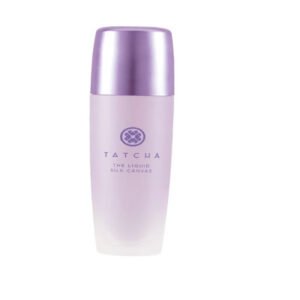
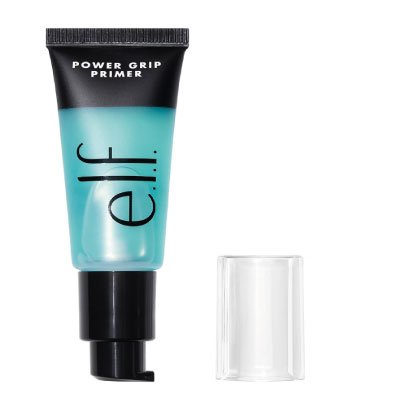
E.l.f. Power Grip Primer—a budget-friendly, gel-like grip primer widely praised for helping makeup stay in place
Milani Hello Flawless Oxygenating Primer—a drugstore favorite for general smoothing
Maybelline Baby Skin Instant Pore Eraser—a drugstore pore-blurring primer
Tatcha The Silk Canvas—a luxury, silky balm-style primer known for a smooth finish
Benefit The POREfessional—a popular pore-minimizing primer in the prestige category
Smashbox Photo Finish Foundation Primer—a long-standing silicone-based favorite
Hourglass Veil Mineral Primer—a higher-end option that adds SPF and a soft-focus finish
Check the retailer links for current pricing and recent customer reviews, paying particular attention to reviews from people with your skin type. Best Makeup Primer
Makeup Primer Alternatives
If you’d like to skip a dedicated primer, a few alternatives can work. A lightweight moisturizer can provide a smoother base on dry skin, a gel-cream or sunscreen with a slightly tacky finish can help foundation grip, and a hydrating mist can refresh the base before makeup. A setting spray over finished makeup adds longevity regardless of whether you use primer.
How to Remove Primer :Best Makeup Primer
Silicone-based primers can cling to skin and clog pores if not removed thoroughly. A double cleanse, starting with a cleansing balm or oil to dissolve makeup and primer, then a gentle water-based cleanser, ensures nothing is left behind overnight.
Primer Ingredients Worth Knowing
Reading the ingredient list helps you predict how a primer will feel and perform.
Dimethicone and other silicones create the smooth, slightly slippery feel that blurs pores and fine lines. They are common in pore-filling and grip primers.
Hyaluronic acid and glycerin draw in moisture and are common in hydrating primers for dry or dehydrated skin.
Niacinamide is sometimes added to help with oil control and the look of pores, though a primer’s short time on skin limits its skincare effect.
Clay and silica absorb oil and give a mattifying finish, which is why they show up in oil-control formulas.
Mica and other light-reflecting particles create the glow in illuminating primers.
Fragrance and alcohol can irritate sensitive skin, so those prone to reactions may want to avoid them.
Common Primer Myths :Best Makeup Primer
“Primer makes your makeup last all day on its own.” Primer helps, but wear also depends on your skincare prep, your foundation formula, how you set your makeup, and your skin type. A setting spray or light powder often does as much as the primer itself.
“Primer shrinks your pores.” Pores can’t be permanently shrunk by a makeup product. Pore-blurring primers fill and soften their appearance for the day, and the effect washes off at night.
“Everyone needs a primer.” If your skin and makeup already work well together, a primer is optional.
“A more expensive primer will always perform better.” Price reflects branding, packaging, and sometimes formula refinement, but compatibility with your skin and foundation matters more than the cost.Best Makeup Primer
Building a Simple Makeup Base Routine
A reliable base routine keeps things straightforward and helps each product work as intended.
- Cleanse and moisturize, choosing a lightweight formula if your skin is oily and a richer one if it’s dry
- Apply sunscreen and let it absorb for a minute or two
- Apply primer to the areas that need it
- Wait 30 to 60 seconds, then apply foundation or tinted moisturizer
- Add concealer only where you need extra coverage
- Set lightly with powder in areas that tend to shine
- Finish with a setting spray for added wear if you like
This structure works for most skin types, with the main adjustments being the texture of your moisturizer, the finish of your primer, and how much powder you use.Best Makeup Primer
Choosing a Primer for Your Climate
Your environment affects how makeup wears. In hot, humid weather, oil-control and long-wear primers help keep makeup from sliding, and lightweight gel textures feel more comfortable. In cold, dry weather, hydrating and illuminating primers help counter flaking and tightness. If you travel between climates, keeping one lightweight and one hydrating primer on hand lets you adjust to the conditions.
Should primer go on before or after sunscreen?
Primer goes after moisturizer and sunscreen but before foundation. Give each layer a minute to absorb before applying the next.
What is the best primer for oily skin?
Mattifying, pore-blurring, or gel-based oil-control primers generally work best. Applying them mainly to the T-zone targets shine without over-drying other areas.Best Makeup Primer
What is the best primer for dry skin?
Hydrating or water-based primers help foundation glide on smoothly and prevent it from clinging to dry patches.
Why does my foundation pill over my primer?
Pilling usually comes from using too much product, not letting each layer set, or mixing incompatible formulas, such as water-based foundation over silicone primer. Using less product and allowing time to absorb usually helps.
Can I use primer without foundation?
Yes. Primer on its own can create a smooth, matte, or glowy base, depending on the formula, and many people wear it alone for a light, natural look. Best Makeup Primer
Does primer help with large pores?
Pore-blurring primers can minimize the appearance of pores temporarily, but they don’t shrink pores themselves.
Can primer cause breakouts? Best Makeup Primer
Some formulas can, especially heavier or comedogenic ones, or if primer isn’t removed properly. Choose non-comedogenic options and cleanse thoroughly at night.Best Makeup Primer
Is silicone in primer bad for skin? Best Makeup Primer
Silicones are generally considered safe, but they can feel heavy and may trap residue if not cleansed away properly. If you’re sensitive or prefer a lighter feel, water-based primers are a good alternative.Best Makeup Primer
How much primer should I use?
A pea-sized amount is typically enough for the whole face. Using more rarely improves results and often causes pilling.Best Makeup Primer
Is a drugstore primer as good as a luxury one?
Often, yes. Many drugstore primers perform comparably, and the best choice depends on your skin type and foundation rather than price.
Final Thoughts : Best Makeup Primer
The best makeup primer is the one that matches your skin type, addresses your main concern, and works well with your foundation. Oily skin tends to benefit from mattifying or pore-blurring formulas, dry skin from hydrating and water-based options, and dull skin from illuminating or color-correcting ones. If your makeup already wears well, you may not need one at all.
Start with a small amount, give it time to set, and be willing to experiment, since compatibility between your primer and foundation can matter as much as the products themselves. Check current prices and reviews through the retailer links, and give any new primer several wears before deciding whether it earns a place in your routine.
Reviews
There are no reviews yet.